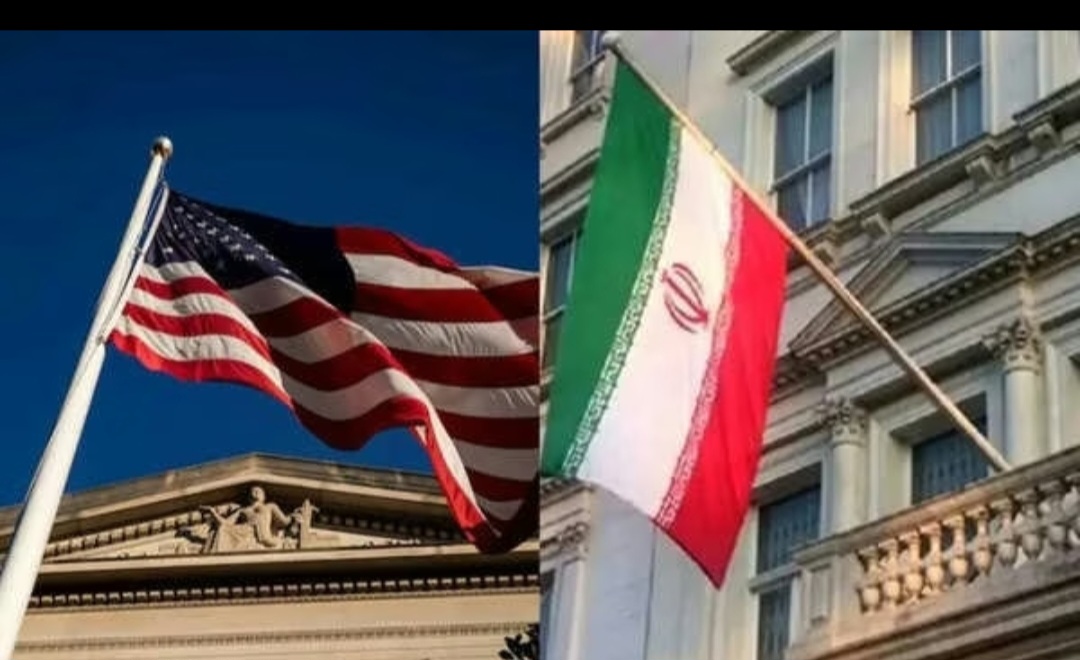
The recent military confrontation involving the United States, Israel, and Iran may have cooled following a temporary ceasefire, but the economic and strategic consequences are far from over. Beyond missile strikes and air raids, the conflict has exposed how modern wars are increasingly fought through energy markets, financial systems, trade routes, and economic pressure. As tensions ease, a new question is emerging: Can billions of dollars achieve what bombs could not?
Hormuz Strait: The Artery of Global Energy
The Strait of Hormuz remains one of the most critical chokepoints in the global economy. Roughly one-fifth of the world’s seaborne crude oil and around 20 percent of global liquefied natural gas shipments pass through the narrow waterway every day. During the height of the crisis, fears that the route could be disrupted sent shockwaves through global markets. Brent crude prices surged from around $72–75 per barrel to above $110, briefly touching even higher levels as traders priced in the risk of supply disruptions. The spike in energy prices increased transportation costs, industrial expenses, and inflationary pressures across multiple economies, highlighting the vulnerability of global supply chains.
Iran Bears the Heaviest Burden
As the central battleground of the conflict, Iran has suffered significant economic and infrastructure damage. Oil exports faced disruptions, insurance costs for shipping increased, and port operations slowed amid security concerns. Analysts estimate that repairs to damaged facilities, military installations, and critical infrastructure could require substantial investment in the coming years. Yet despite the military pressure, Iran’s political system remains intact, and its nuclear ambitions have not been fully dismantled. That reality has altered the nature of ongoing diplomatic discussions.
India Watches Oil Markets Closely
India, which imports the vast majority of its crude oil requirements, remains particularly vulnerable to sustained energy price shocks. Economists estimate that every $10 increase in crude oil prices can significantly raise India’s annual import bill, placing pressure on inflation, the rupee, fiscal balances, and transportation costs. A prolonged period of elevated oil prices would have broad implications for consumers and businesses alike, potentially affecting economic growth and household spending.
Victory Comes at a Cost
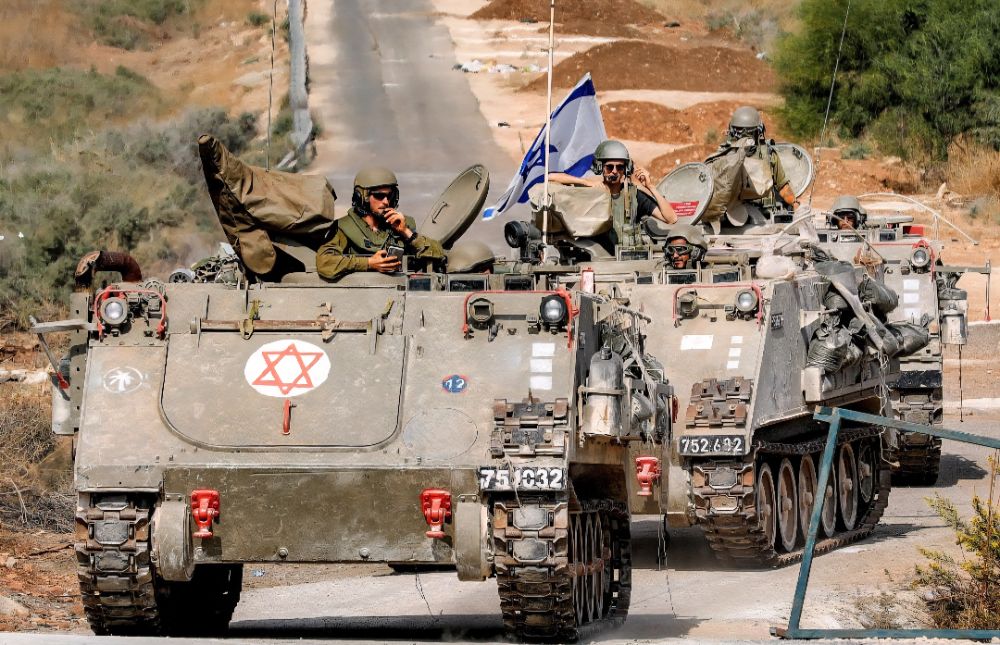
Although the United States and Israel demonstrated military superiority in several areas, the financial cost of sustaining operations has been substantial. Modern warfare increasingly involves an imbalance between inexpensive offensive systems and costly defensive technologies. Relatively cheap drones often require highly sophisticated and expensive interceptor missiles to neutralize them, creating a significant financial burden for defending forces. The expectation that targeted strikes could quickly force strategic concessions from Iran did not fully materialize, extending both the duration and cost of the confrontation. Strategic Gains for China and Russia While neither China nor Russia was directly involved in the fighting, analysts suggest both countries may have benefited indirectly. With Washington's attention focused on the Middle East, geopolitical pressure in other regions—including Eastern Europe and the Indo-Pacific—appeared to ease temporarily. Some Western security observers have also speculated about indirect technological assistance to Iran, though publicly verified evidence remains limited.
Strategic Gains for China and Russia
While neither China nor Russia was directly involved in the fighting, analysts suggest both countries may have benefited indirectly. With Washington's attention focused on the Middle East, geopolitical pressure in other regions—including Eastern Europe and the Indo-Pacific—appeared to ease temporarily. Some Western security observers have also speculated about indirect technological assistance to Iran, though publicly verified evidence remains limited.
The Real Battle May Now Be Financial
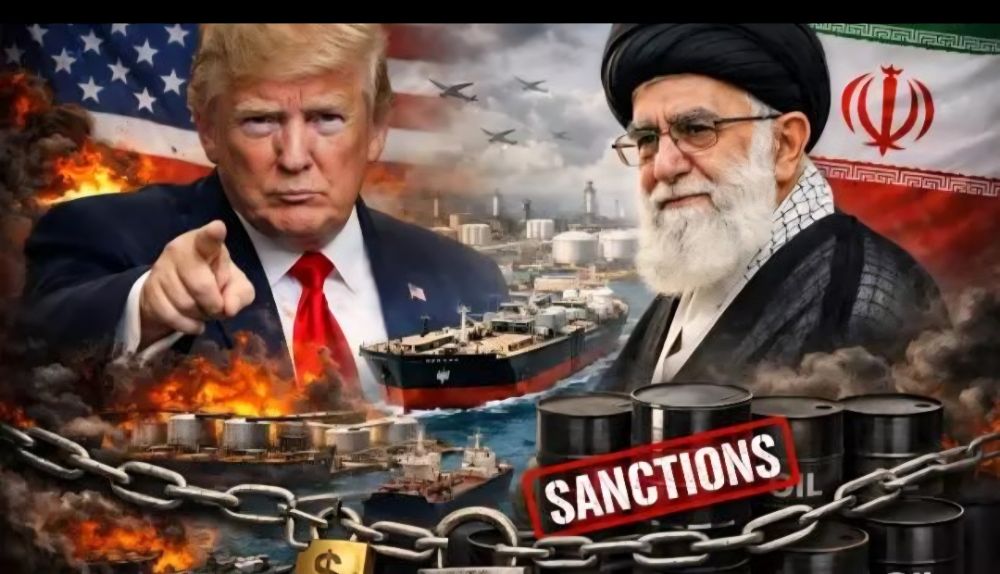
As diplomatic contacts intensify, economic incentives are becoming central to negotiations. Reports have suggested discussions involving the possible release of billions of dollars in Iranian funds frozen overseas, alongside broader economic measures that could support post-conflict stabilization. While many of these reports remain unconfirmed, they underscore the growing importance of financial tools in shaping diplomatic outcomes. The situation also presents a political dilemma in Washington. Measures involving sanctions relief or access to frozen assets have historically been controversial, yet they are increasingly viewed as potential components of any lasting agreement.
From Bombs to Billions
The conflict has delivered a clear lesson: military force alone may not be enough to achieve long-term political objectives. Missiles were launched, strategic facilities were targeted, and military capabilities were tested. Yet the outcome suggests that diplomacy, economic leverage, sanctions, financial incentives, and international negotiations may ultimately prove just as important as battlefield success. Whether the current ceasefire evolves into a durable peace agreement or merely serves as a pause before future tensions remains uncertain. One thing, however, is clear: in the modern world, wars are no longer fought only on battlefields. They are also fought in oil markets, shipping lanes, banking systems, cyberspace, and global financial networks. And that may be the most important lesson of this crisis.




Comments
Sign in with Google to comment.