April 14, 2026
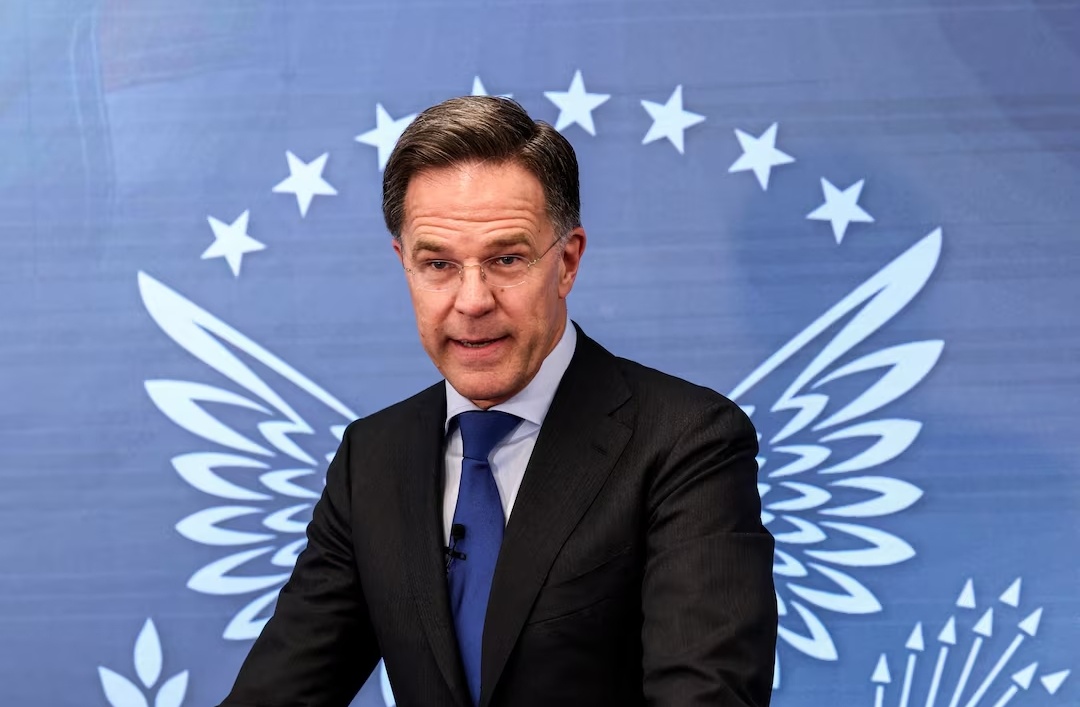
Tensions within the Western alliance escalated sharply after NATO allies distanced themselves from U.S. President Donald Trump’s controversial plan to impose a naval blockade on Iranian ports. In a clear signal of disagreement, member nations said they would not participate in any military action during active conflict, opting instead to step in only after hostilities subside.
Officials from NATO emphasized that their priority remains de-escalation and post-conflict stability, not direct confrontation. The stance reflects growing unease among European allies over the risks of being drawn into a broader war in the Middle East, particularly amid fears of disruption in critical global shipping routes.
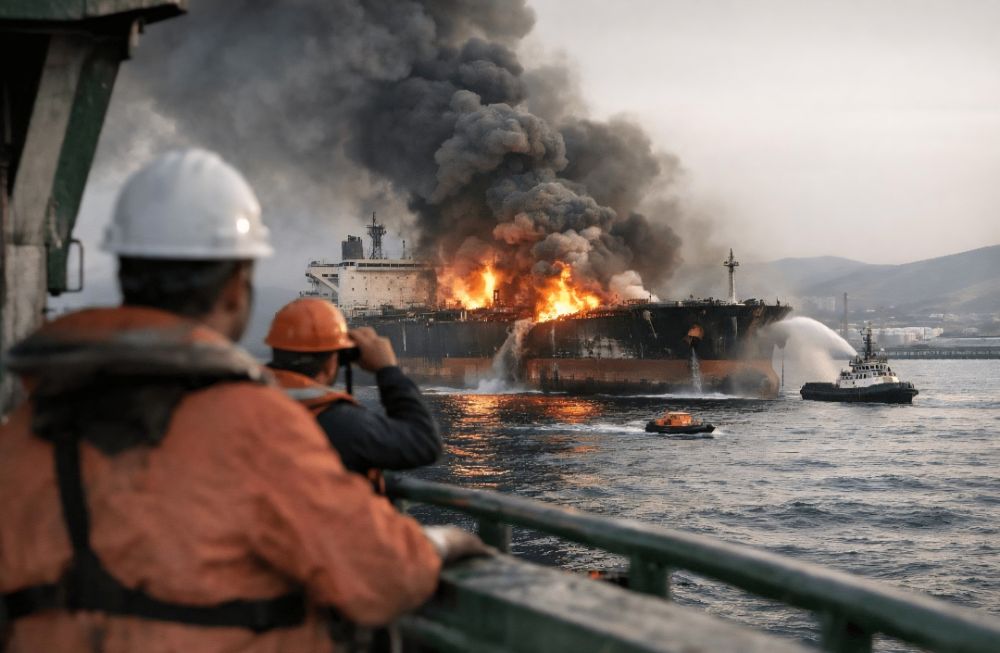
The proposed blockade targeting Iran’s ports is seen as a high-stakes move that could ignite a wider regional conflict. While Washington has framed the strategy as necessary to curb Tehran’s actions, several NATO members are reportedly concerned about legal, economic, and humanitarian consequences of such an aggressive measure.
Diplomatic sources suggest the decision could significantly strain transatlantic relations, with frustration mounting in Washington over what is perceived as a lack of support. Analysts warn that the divide may weaken alliance unity at a time when coordinated global security responses are crucial.
Meanwhile, European leaders are pushing for renewed diplomatic efforts to ease tensions and avoid military escalation. Calls for restraint have intensified, with several governments advocating dialogue over confrontation, even as the situation in the Gulf remains volatile.
The standoff underscores a deepening rift within NATO, raising questions about the alliance’s cohesion and future role in global conflicts. As the crisis unfolds, the lack of consensus could complicate any coordinated response, potentially reshaping the dynamics of Western military cooperation.










Comments
Sign in with Google to comment.