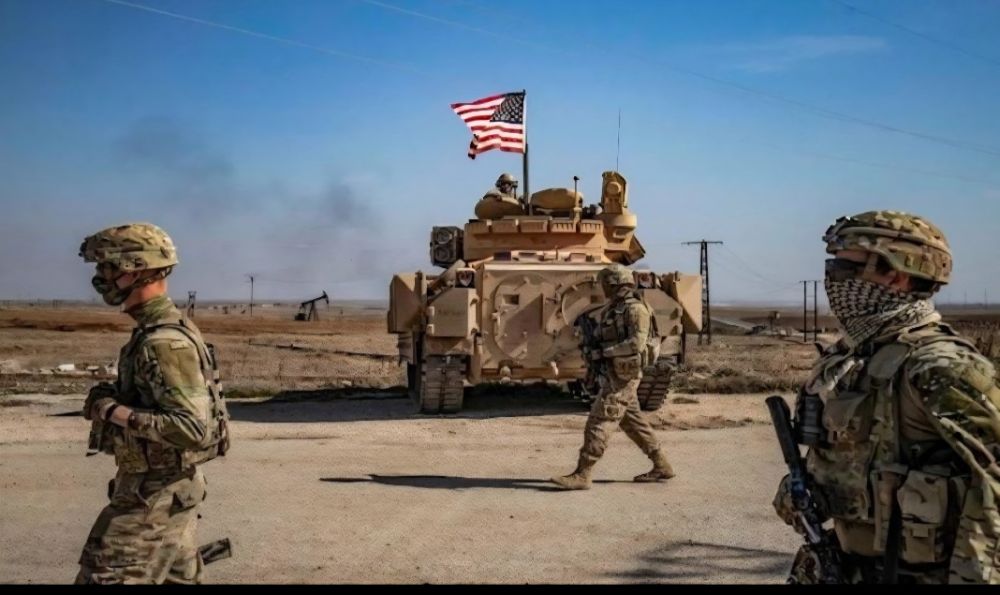
Washington: The Middle East has been pushed closer to a broader conflict after two U.S. troops were killed in a suspected Iranian-backed attack, prompting President Donald Trump to authorize a new round of military strikes on Iranian targets. The latest escalation has intensified concerns over the security of the Strait of Hormuz, a vital global oil shipping route.
According to U.S. officials, American forces carried out precision strikes against military installations linked to Iran following the attack. The White House described the operation as a defensive response aimed at deterring further attacks on U.S. personnel and protecting international maritime security.
Iran condemned the strikes and warned of a strong response, raising fears that the conflict could spread across the region. Security has been tightened at U.S. military bases throughout the Middle East, while additional naval assets have been deployed to safeguard commercial shipping.
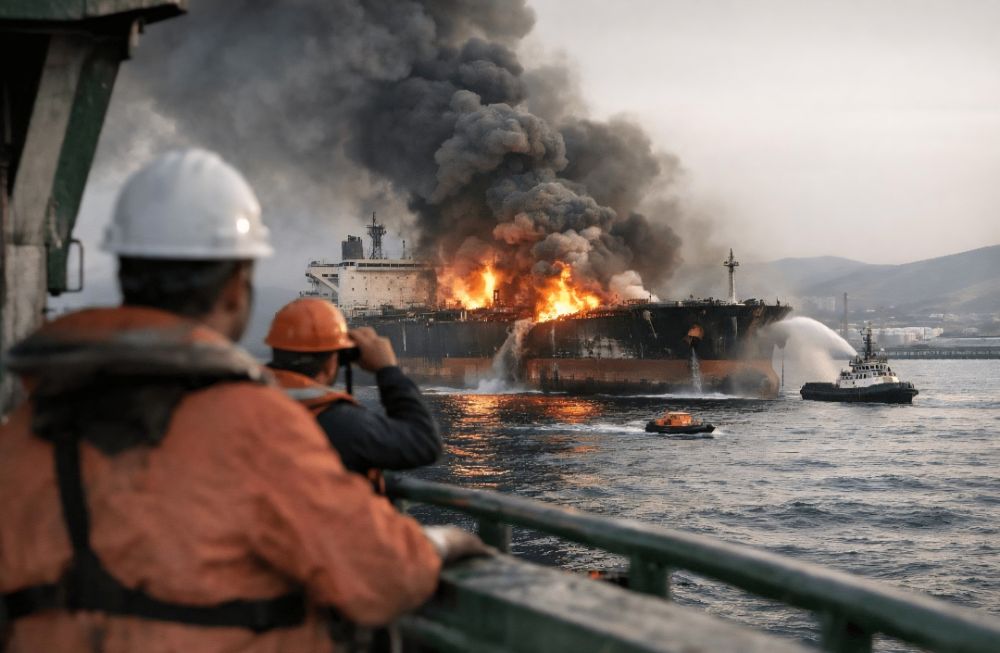
The renewed confrontation has also sent shockwaves through global energy markets. Any disruption to traffic through the Strait of Hormuz could impact crude oil supplies and trigger volatility in international fuel prices.
Diplomatic efforts to reduce tensions have so far failed, with both sides adopting a hardline stance. Analysts warn that continued retaliation could draw more regional actors into the conflict, increasing the risk of a prolonged military crisis.
The developments are being closely monitored worldwide as governments assess the potential impact on regional security, global trade, and energy markets.










Comments
Sign in with Google to comment.