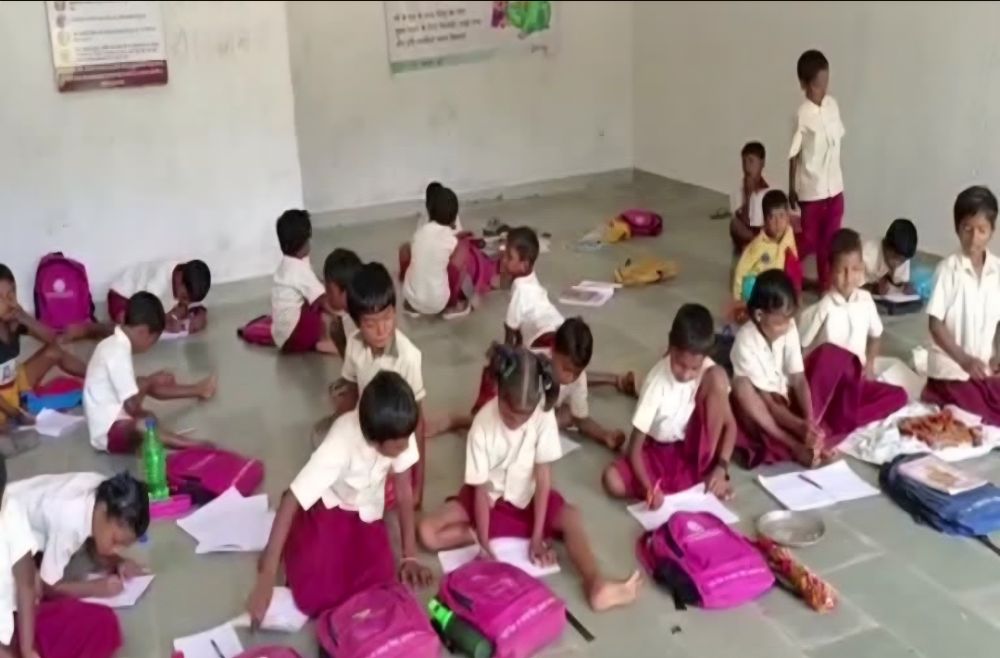
NEW DELHI: A sharp debate over the condition of government schools across India has intensified after Abhijeet Dipke questioned why children continue to study in schools lacking basic infrastructure despite the availability of substantial public funds.
Dipke raised serious questions over the state of classrooms and essential facilities in government schools, asking why available resources are not being effectively utilised to provide children with safe, adequate and dignified learning environments. His remarks have put the spotlight on the widening gap between public funding and ground-level education infrastructure.
The criticism comes amid growing concerns over inadequate classrooms, shortages of teachers and the absence of basic facilities in several government schools. The situation has triggered renewed questions about whether public money allocated for welfare and development is reaching the children and communities who need it most.
At the heart of Dipke’s argument is a blunt question: If funds are available, why are children still being forced to study without basic amenities? The issue has intensified calls for greater transparency in the allocation and utilisation of public funds, along with stronger accountability from authorities responsible for government education.
The controversy has once again brought India’s government-school crisis into sharp focus. For millions of children dependent on public education, critics argue that funding figures mean little unless they translate into functional classrooms, adequate facilities, sufficient teachers and safe learning conditions.








Comments
Sign in with Google to comment.