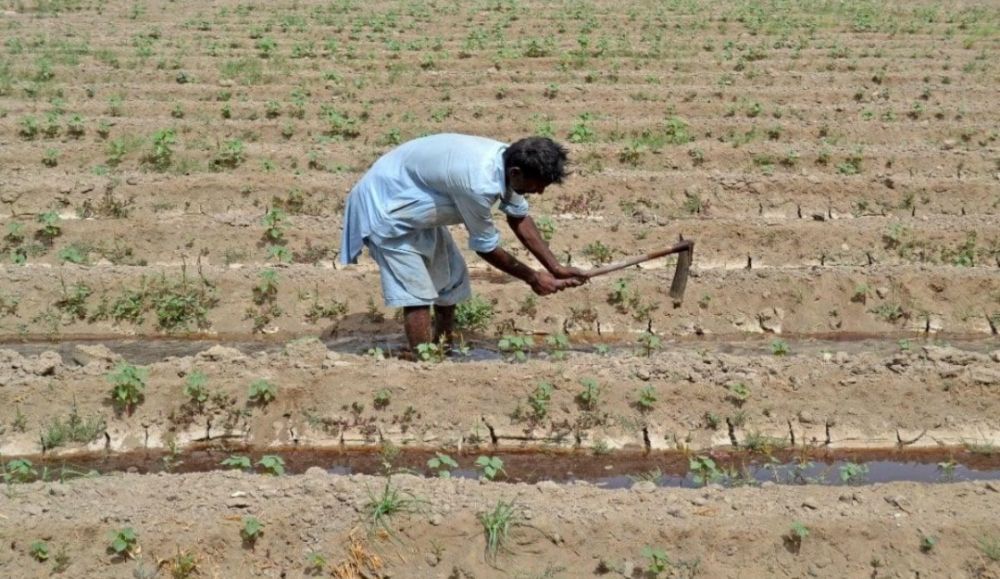
Sindh and Balochistan provinces of Pakistan are witnessing an intensifying water shortage, triggering concerns over agriculture, livelihoods, and regional economic stability.The crisis is reported to be affecting nearly one-third of the country’s population, with irrigation-dependent communities facing the most severe impact. Sindh, home to Karachi and one of Pakistan’s key agricultural belts, is experiencing acute stress in its irrigation system. The Sukkur Barrage command area, which supports millions of acres of farmland, is reportedly facing significant water shortages. Authorities and local stakeholders have expressed concern over reduced flows in multiple canals.
According to local irrigation data cited in reports, water shortages have been recorded in several canal systems, including around 64% deficit in the North-West Canal, 38% in the Rice Canal, and up to 82% in the Dadu Canal. These shortages are said to be disrupting crop cycles and delaying sowing activities across agricultural regions.
Sindh officials have also alleged uneven distribution of water, claiming that upstream usage—particularly in Punjab—is exceeding allocated shares. While Sindh’s share is reported to be around 44,000 cusecs, usage levels in some accounts are cited as higher in upstream regions, further fueling inter-provincial tensions.
Severe water shortages have been reported in Pakistan’s Sindh and Balochistan provinces, raising serious concerns over agriculture,
livelihoods, and regional economic stability, with nearly one-third of the country’s population said to be affected
. The crisis is particularly severe in the Sukkur Barrage command area, where major irrigation canals including the North-West, Rice, and Dadu canals are facing significant deficits, disrupting farming activities and delaying crop cycles.
Local reports and officials have alleged uneven water distribution, claiming that upstream usage in Punjab exceeds allocated shares, further intensifying inter-provincial tensions.
The shortage has already begun impacting agricultural output and threatens Sindh’s rice production and export economy, valued at around ₹1,330 crore, while farmers across affected regions continue to struggle with inadequate irrigation supply and rising uncertainty over the coming cropping seasons.















Comments
Sign in with Google to comment.