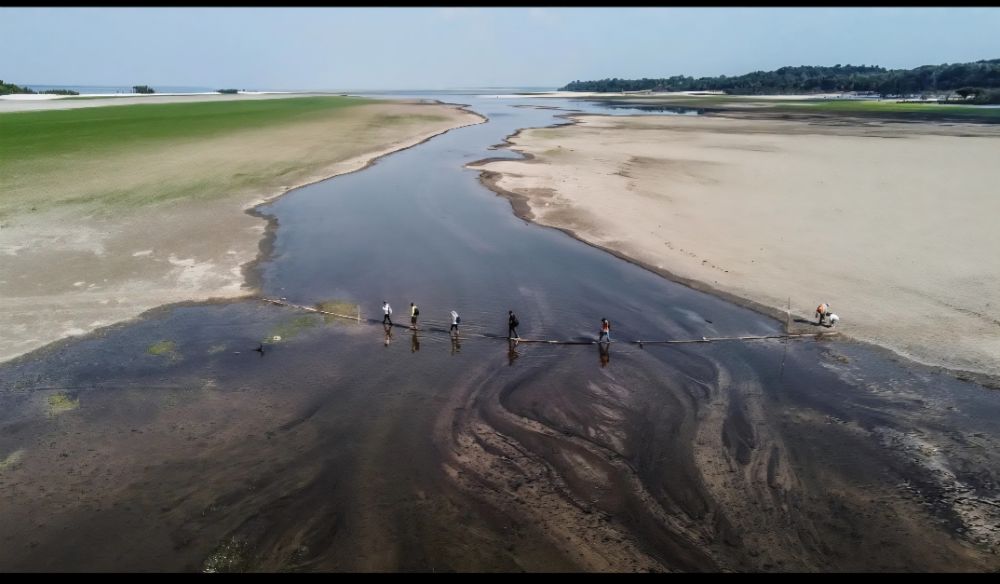
Environmental emergencies are emerging in the Amazon river basin. The Amazon basin, considered one of the most critical forest areas in the world, is severely affected by climate change. The El Niño effect, associated with changes in sea surface temperatures in the Pacific Ocean, is significantly disrupting the flow of river water.
The situation of water levels dropping in the Amazon and its tributaries earlier than the expected time is causing concern. Hundreds of indigenous villages that rely on rivers for transportation, drinking water, fishing, and food supply are facing severe difficulties.
Increasing hardships due to falling water levels
The decrease in water in the rivers is disrupting boat transportation. It is becoming challenging to deliver food, medicines, and other emergency supplies to indigenous communities living in remote areas. Concerns are also rising regarding the availability of drinking water.
On the other hand, environmental experts warn that the reduction in river water flow poses a serious threat to aquatic life, fish resources, and river-based ecosystems.
Is the Amazon a victim of climate change? The Amazon rainforest plays a crucial role in the global climate balance. However, with rising temperatures, changes in rainfall patterns, and climatic conditions like El Niño, the pressure on this region is likely to increase.
If the Amazon rivers dry up further, the impact may not be limited to South America but could also affect the global environmental system. This poses another significant challenge to already struggling indigenous communities. There are increasing demands for immediate action to protect the Amazon basin, which is vital for the world.










Comments
Sign in with Google to comment.