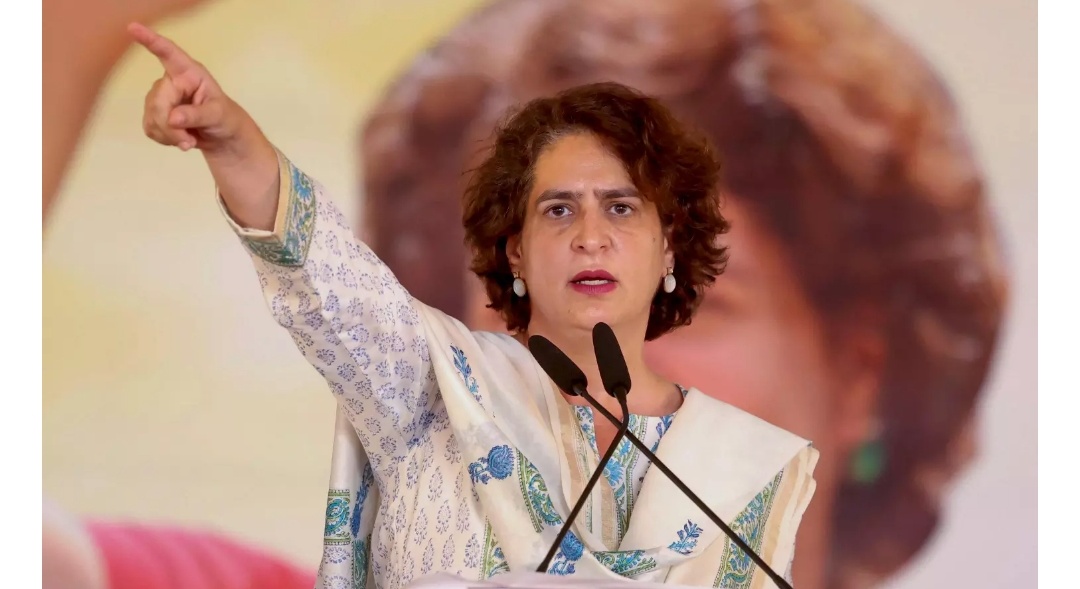
New Delhi, April 13, 2026 In a sharp escalation of political tensions, concerns are mounting over what critics describe as an unjustified and hurried attempt to implement sweeping structural changes to India’s democratic framework. Voices from across the political and policy spectrum have warned that the speed and manner in which these reforms are being pursued raise serious questions about transparency, intent, and constitutional integrity.
Opposition leaders and constitutional experts argue that the process itself is “deeply flawed and anti-democratic,” alleging that meaningful debate and public consultation have been sidelined. While the government has projected the reforms as necessary for governance efficiency, detractors see them as narrative management during a period of political and economic strain.
Significantly, critics clarified that women’s reservation — often highlighted in official messaging — is not the point of contention. That issue, they assert, has already achieved broad consensus. Instead, the real flashpoint is the proposed delimitation exercise, which could redraw electoral boundaries in a manner that fundamentally alters political representation across states.
According to unofficial inputs circulating in policy circles, the delimitation plan may disproportionately impact certain regions, potentially upsetting the federal balance enshrined in the Constitution. Analysts warn that such changes, if executed without consensus, could deepen regional divides and trigger long-term political instability.
As the debate intensifies, demands are growing for the government to pause the process and initiate wider consultations. With the stakes involving the very structure of India’s democratic system, observers say the coming weeks could prove निर्णायक in shaping the country’s







Comments
Sign in with Google to comment.