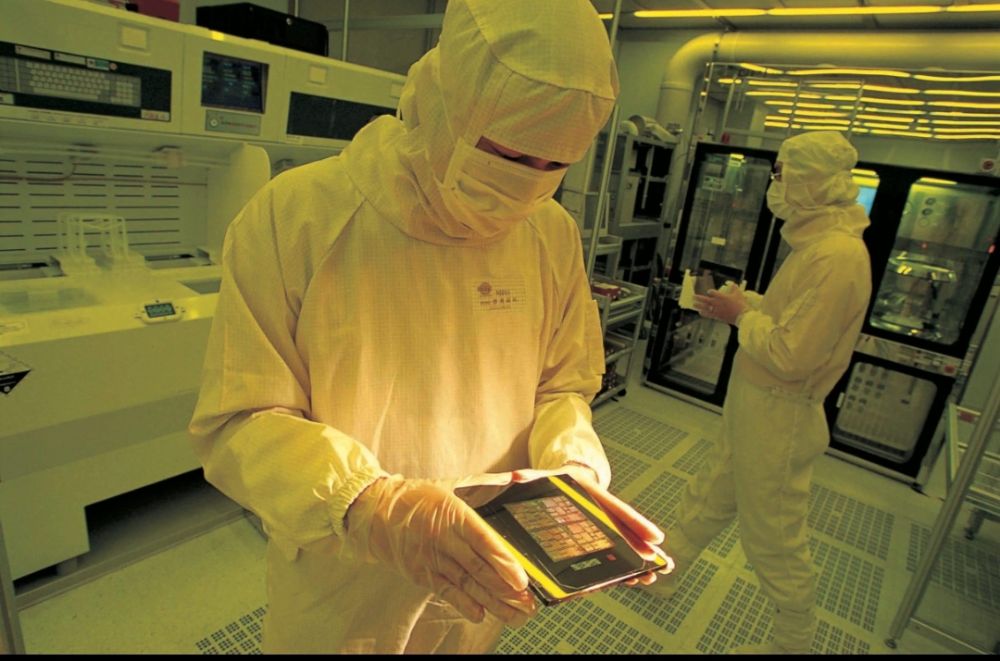
Taipei: Taiwan’s semiconductor industry has emerged as one of the most critical pillars of the global technology economy—and a major strategic factor in the growing tensions between Taiwan and China.
Taiwan dominates the production of the world’s most advanced semiconductors, with TSMC playing a central role in the global chip supply chain. These high-end chips power artificial intelligence systems, smartphones, data centres, automobiles and advanced military technologies, making Taiwan’s semiconductor sector far more than just an economic asset.
The stakes are enormous. Any major disruption to Taiwan’s chip production could send shockwaves through global technology and manufacturing industries. From AI infrastructure and consumer electronics to automobiles and defence systems, companies and countries across the world depend heavily on a steady supply of advanced semiconductors
. This strategic importance has given rise to the term “Silicon Shield”—the idea that Taiwan’s indispensable role in the global chip industry creates a powerful incentive for other major economies, particularly the United States, to remain deeply engaged in Taiwan’s security and stability.
But the Silicon Shield is not an impenetrable defence. A military blockade, disruption of shipping routes or other restrictions affecting Taiwan’s semiconductor supply chain could trigger severe global shortages and economic disruption.
As tensions across the Taiwan Strait continue to attract international attention, Taiwan’s chip factories have become a crucial front line in the global struggle over technology, supply chains and strategic influence. The tiny island’s semiconductor industry now carries consequences that extend far beyond its borders.












Comments
Sign in with Google to comment.