
Washington/Tehran, April 15, 2026
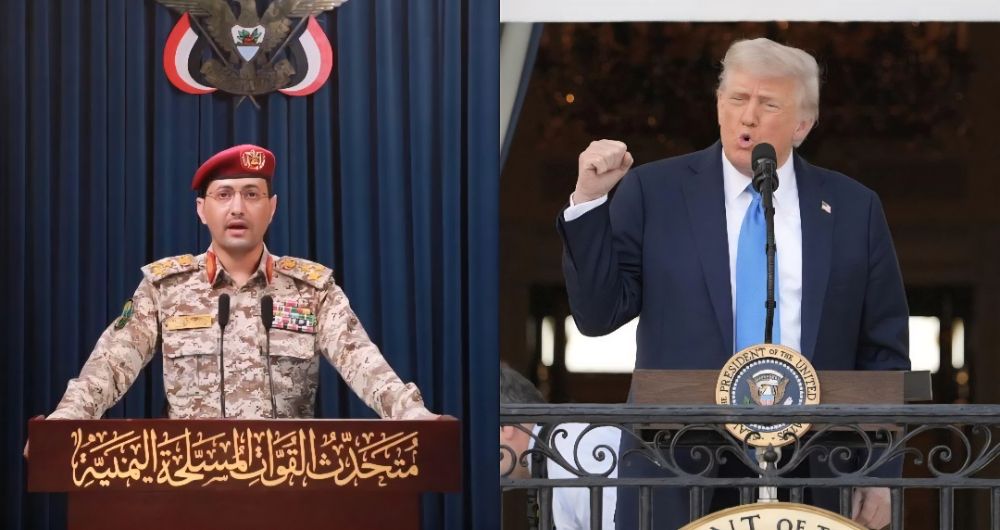
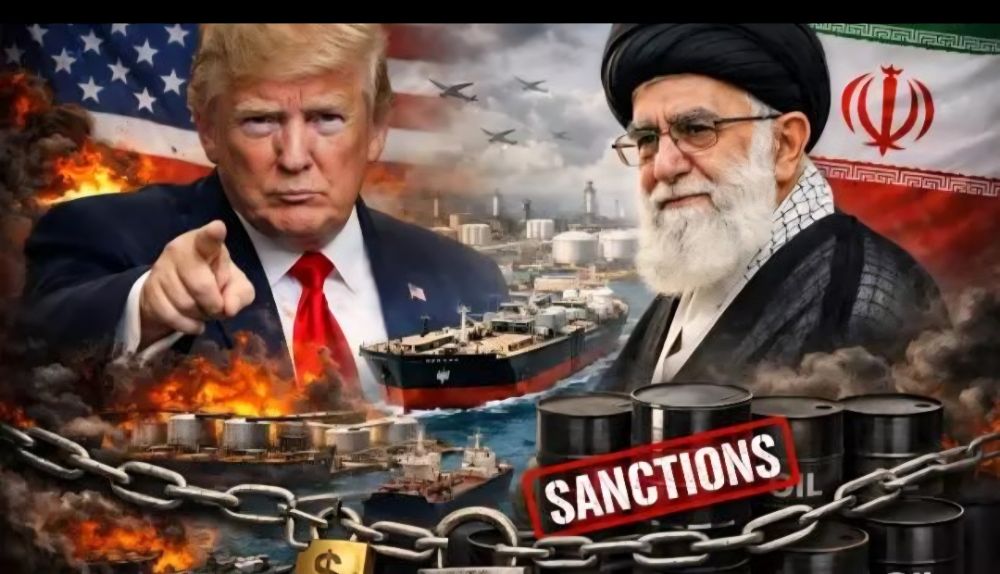
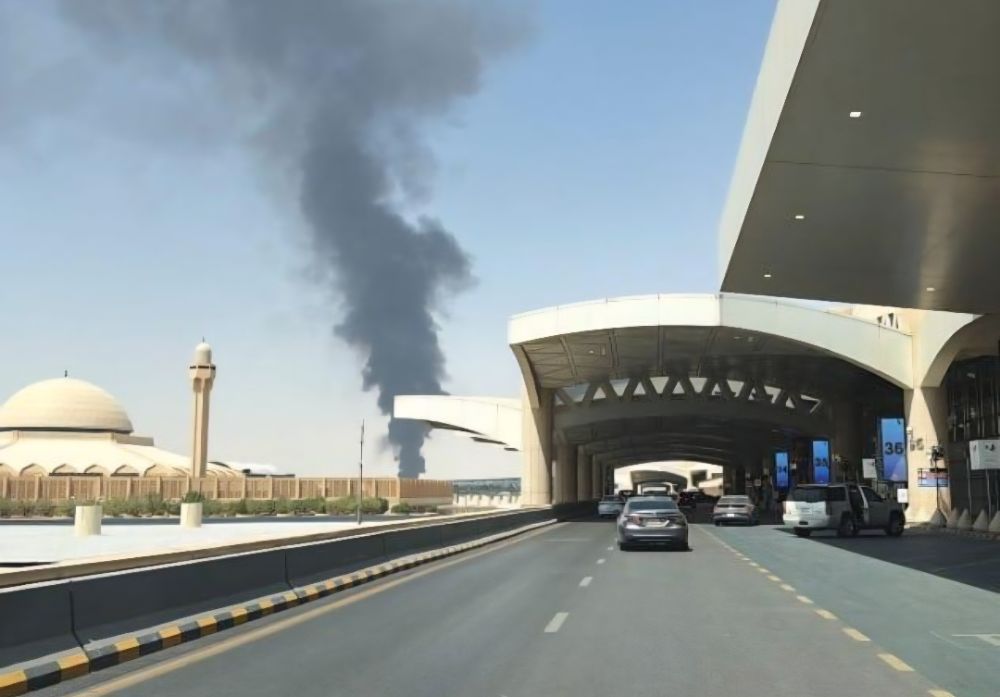
The United States has swiftly enforced its newly announced naval blockade near the strategically crucial Strait of Hormuz, with immediate impact on regional shipping. Several commercial vessels reportedly altered course within hours, reflecting the seriousness of Washington’s move.
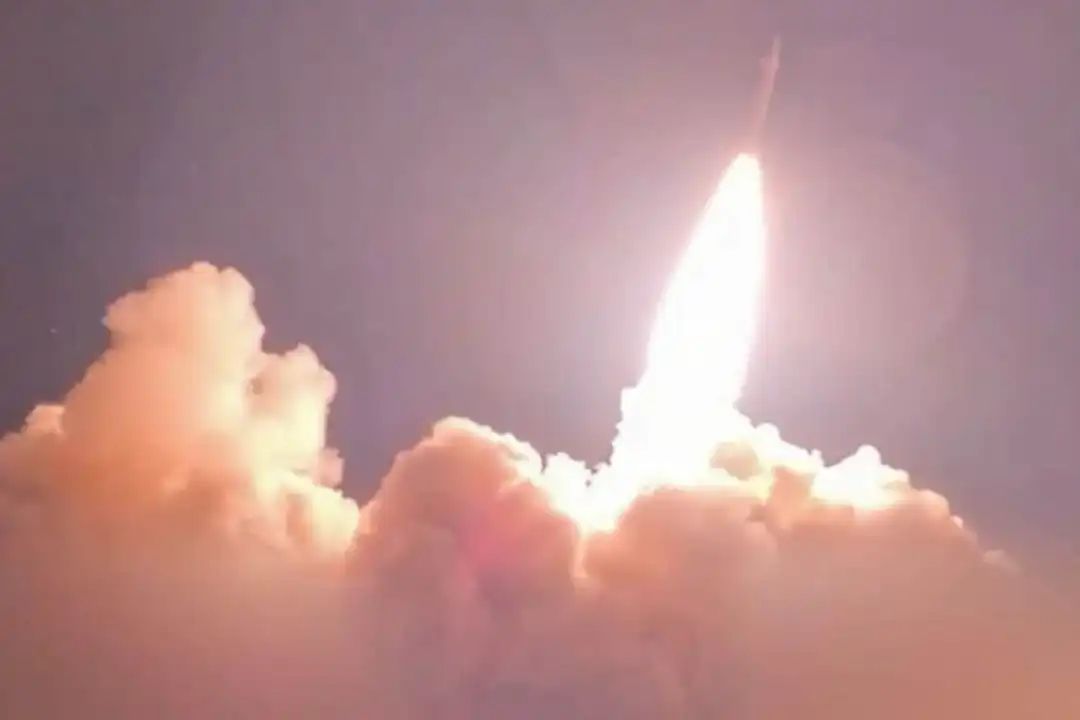
The action follows rising tensions between the U.S. and Iran after diplomatic efforts failed to ease concerns over maritime security and energy flows. The narrow waterway, vital for global oil transport, has once again become the focal point of geopolitical friction.
U.S. Vice President JD Vance escalated rhetoric by accusing Tehran of engaging in “economic terrorism,” alleging that its actions threaten global trade stability. He warned that Washington would not tolerate disruptions to international shipping lanes.
According to officials, the blockade is designed to pressure Iran economically while deterring further interference in maritime routes. The U.S. has indicated that enforcement will remain strict, with naval forces actively monitoring and controlling vessel movement in the region
. Global energy markets reacted nervously, with concerns rising over potential supply disruptions. Experts caution that prolonged tensions in the Strait could impact oil prices and trigger wider economic consequences, particularly for import-dependent nations.
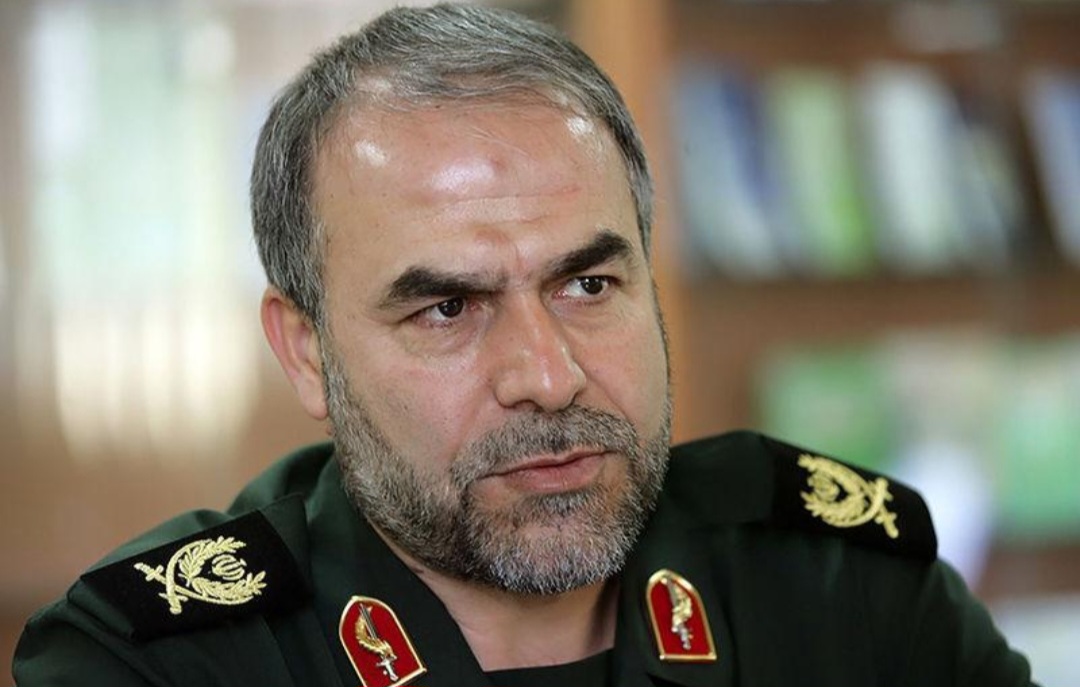
Iran, meanwhile, has strongly condemned the blockade, calling it unlawful and provocative. While signaling resistance, Tehran has also hinted that diplomatic channels remain open, leaving room for possible de-escalation in the coming days.









Comments
Sign in with Google to comment.