Islamabad | April 8, 2026
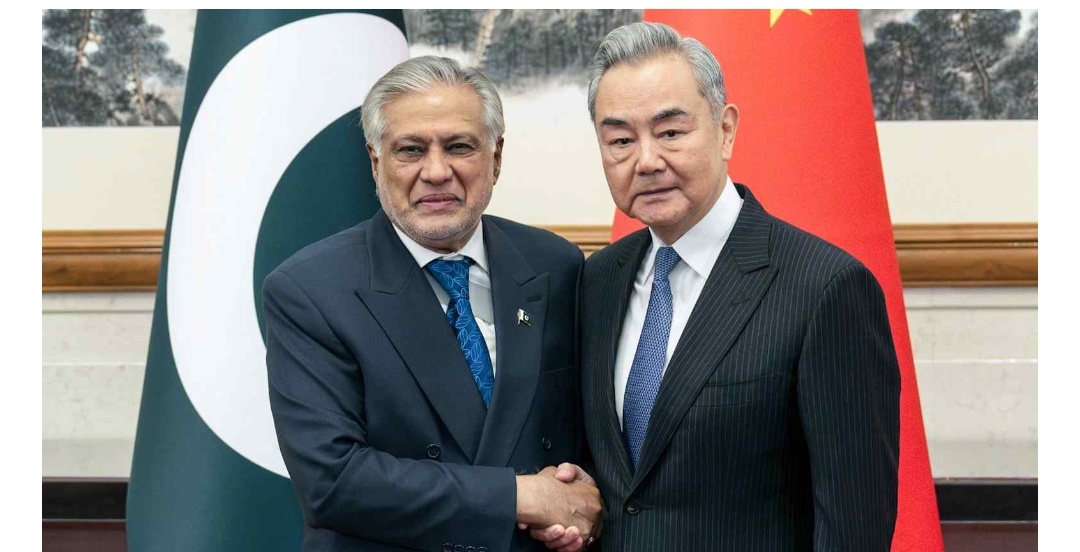
Pakistan’s ambitious attempt to position itself as a key mediator in the escalating West Asia conflict is rapidly turning into a diplomatic liability, with growing signs of friction emerging between Islamabad and its long-time strategic ally, China. In a bold but controversial move, Pakistan reached out to multiple stakeholders in the volatile region—offering to broker peace amid intensifying hostilities. However, the initiative appears to have been launched without full coordination with Beijing, raising eyebrows within Chinese diplomatic circles.
China Unhappy with Pakistan’s Solo Play
Sources indicate that China—which has carefully maintained a calibrated and economically driven approach in West Asia—is displeased with Pakistan’s sudden diplomatic overreach. Beijing views the region as strategically sensitive, particularly given its massive investments under the Belt and Road Initiative (BRI) and energy security concerns. Pakistan’s mediation pitch is being perceived in Beijing as impulsive and potentially disruptive to China’s long-term geopolitical balancing act in the Middle East.
Strategic Miscalculation by Islamabad?
Analysts argue that Islamabad may have overestimated its leverage in West Asia, while underestimating the importance of aligning such moves with its closest ally. Pakistan has historically relied heavily on China for economic, military, and diplomatic support—making any strain in ties particularly risky. “Pakistan is walking a diplomatic tightrope. Acting independently in a region where China has deep stakes could have unintended consequences,” said a regional affairs expert.
West Asia Powers Lukewarm to Mediation Offer Meanwhile, key
West Asian players have shown limited enthusiasm for Pakistan’s mediation bid. With major powers already deeply entrenched in the conflict, Islamabad’s role is being seen as peripheral at best.
Ripple Effects on Bilateral Relations
The fallout could extend beyond diplomacy. Ongoing economic cooperation, including projects under the China-Pakistan Economic Corridor (CPEC), may face subtle slowdowns if tensions persist. While both nations are unlikely to allow a complete breakdown in ties, the current episode underscores emerging cracks in what has long been described as an “all-weather friendship.”
Conclusion
Pakistan’s attempt to assert itself as a regional peacemaker may have instead exposed the limits of its diplomatic influence—while risking discomfort with China. As the West Asia crisis deepens, Islamabad now faces the challenge of recalibrating its strategy without further alienating its most crucial ally.











Comments
Sign in with Google to comment.