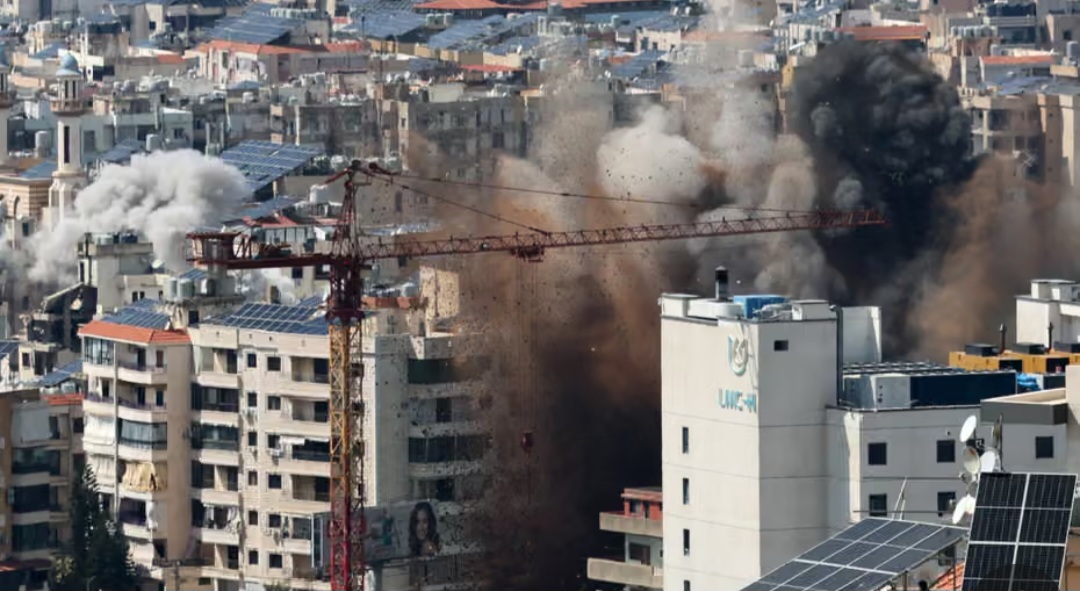
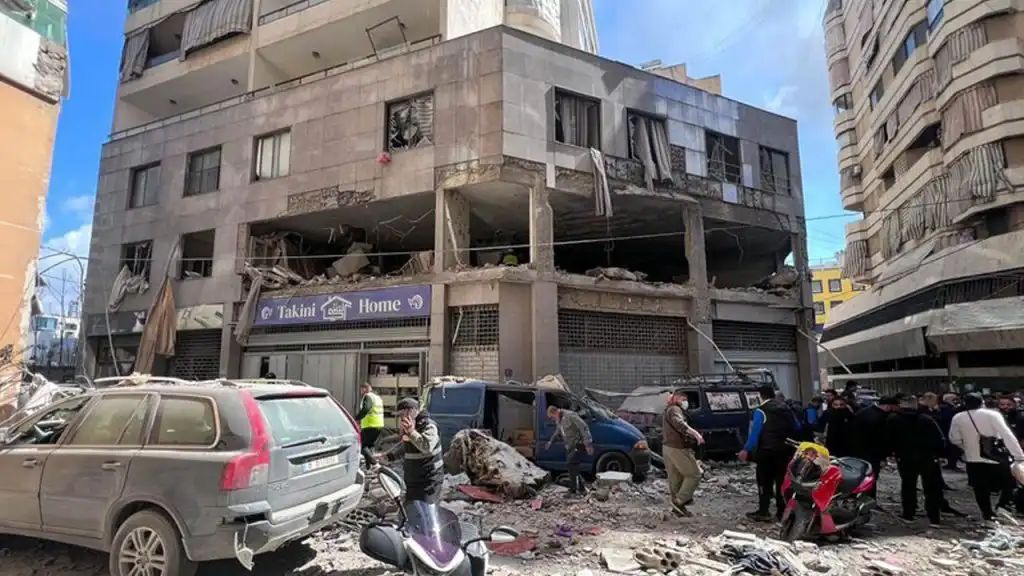
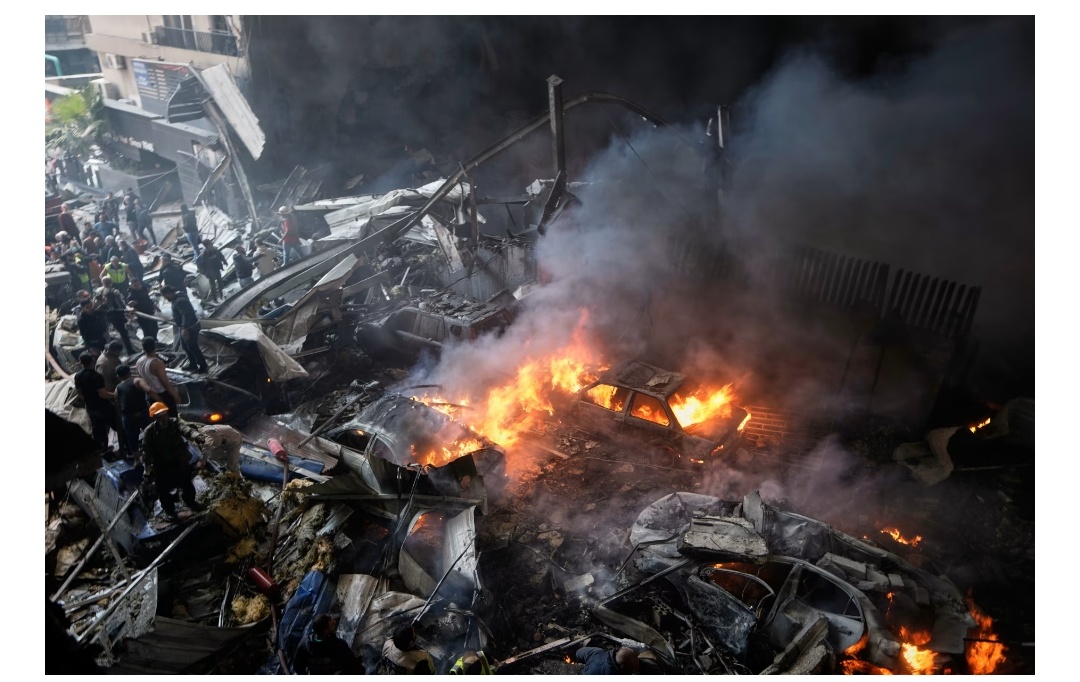
April 8, 2026 The already fragile ceasefire in the Middle East is rapidly losing ground as Israel intensified military strikes on Lebanon while Iran escalated tensions by blocking key oil tanker routes, raising fears of a wider regional conflict. Israeli forces carried out a series of heavy airstrikes across multiple locations in Lebanon, including areas believed to be strongholds of Hezbollah. The strikes come despite ongoing diplomatic efforts to maintain a temporary truce in the region. Israeli officials have indicated that their operations against Hezbollah will continue, regardless of broader ceasefire understandings.
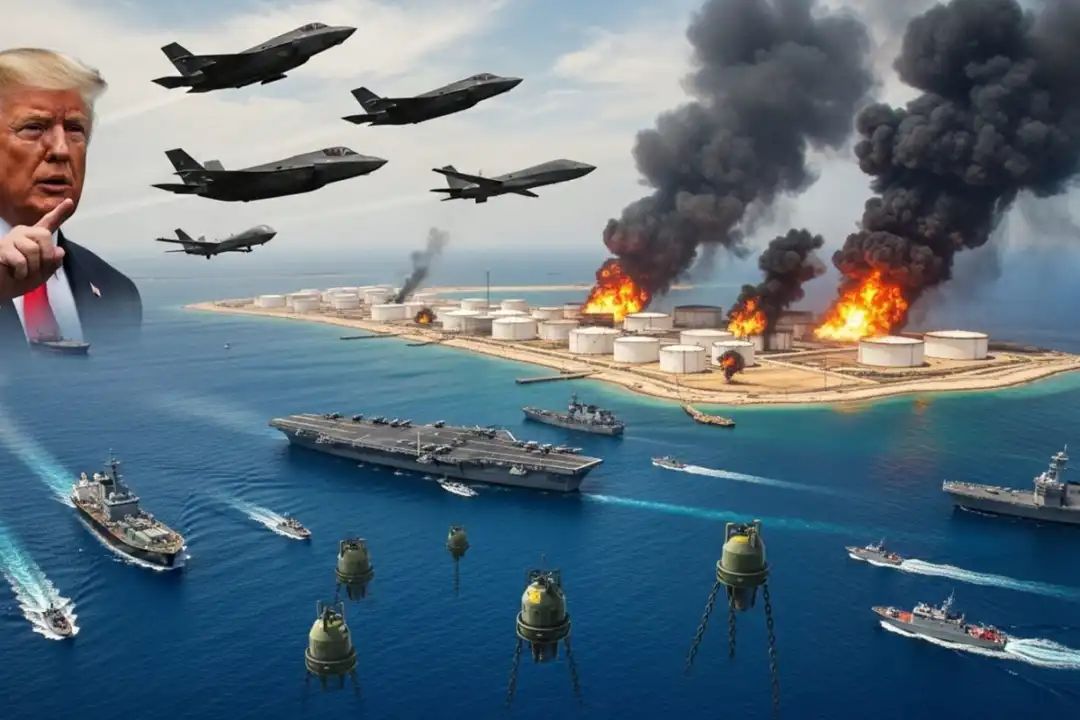
On the other side, Iran has taken a significant step by restricting the movement of oil tankers through the Strait of Hormuz, a critical global energy corridor. The move is seen as a direct response to the escalation in Lebanon and has already started impacting global oil supply chains. Shipping activity in the region has slowed considerably, with several vessels either delayed or rerouted. Analysts warn that prolonged disruption could trigger a spike in crude oil prices and strain global markets already dealing with uncertainty.
The situation highlights growing divisions over the scope of the ceasefire, with no unified agreement on whether it applies beyond direct US-Iran engagement. This lack of clarity is complicating diplomatic efforts and increasing the risk of miscalculation.
Global powers are closely monitoring developments, urging restraint from all sides. However, with military actions continuing and economic pressure mounting, the possibility of the ceasefire collapsing entirely appears increasingly likely.
The coming days are expected to be critical in determining whether diplomacy can regain control or if the region will slip back into a broader and more dangerous conflict.







Comments
Sign in with Google to comment.