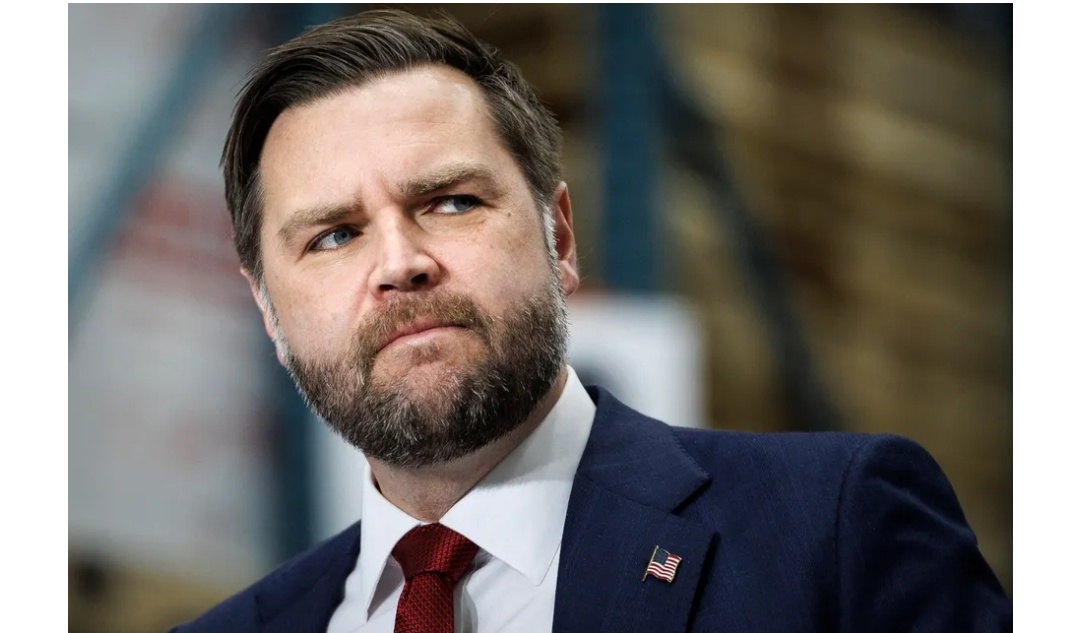
U.S. Vice President JD Vance has raised sharp criticism of recent media coverage regarding alleged Iranian “10-point proposals,” claiming that multiple versions are circulating publicly and that some were either rejected or not officially recognized. Speaking in a recent briefing, Vance said the earliest version of a reported 10-point proposal was considered highly unreliable and was immediately dismissed by U.S. officials. He suggested that some of the material being circulated resembled poorly constructed drafts and was not taken seriously during internal discussions.
He further stated that at least three different versions of a so-called Iranian 10-point framework are currently in circulation. According to him, one version was informally discussed in diplomatic backchannels involving regional intermediaries and was seen as more reasonable in tone,
while another version appeared more extreme than earlier drafts. Vance also criticized segments of the media for amplifying what he described as unverified or misleading documents, arguing that such reporting risks distorting public understanding of sensitive negotiations
. The Vice President emphasized that only one of the discussed frameworks had any proximity to official diplomatic consideration, while others were either rejected outright or not part of structured negotiations.
The White House has not released any official confirmation regarding the authenticity of the various “10-point proposals” currently being shared online and in media reports.
The situation highlights growing confusion over competing narratives surrounding U.S.–Iran diplomatic communications, with officials urging caution over unverified leaks and social media claims.
Key Takeaway:
U.S. officials claim multiple conflicting versions of an Iranian proposal are circulating, but only limited portions have any diplomatic relevance, while others are being dismissed as inaccurate or non-official drafts.





Comments
Sign in with Google to comment.