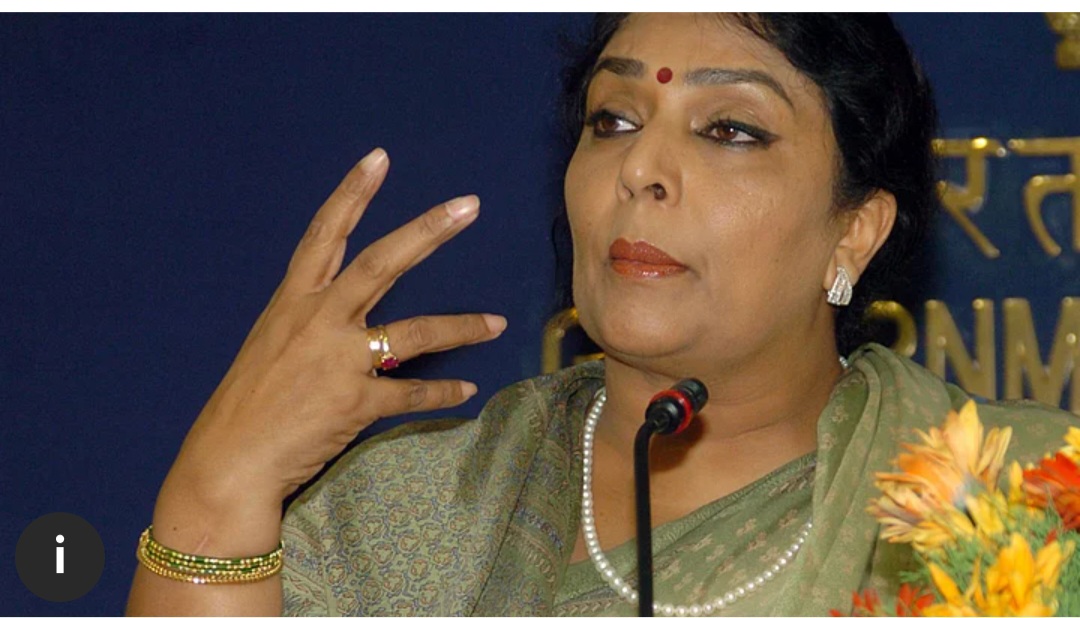
A fresh political debate has erupted over the origins and credit for women’s reservation in legislative bodies, with senior leaders revisiting the role played by former Prime Minister Rajiv Gandhi.
Speaking during a discussion, Congress leader and Rajya Sabha MP Renuka Chowdhury asserted that the foundation for women’s political reservation was laid during Rajiv Gandhi’s tenure. She highlighted that efforts to empower women at the grassroots level began with constitutional amendments in the late 1980s, which pushed for greater representation of women in local governance.
Chowdhury argued that the current discourse around the Women’s Reservation Bill overlooks the historical groundwork initiated decades ago. “The vision for women’s participation in governance was not born overnight. It was part of a long-term reform process,” she noted during the parliamentary exchange.
The Women’s Reservation Bill, aimed at ensuring 33% reservation for women in the Lok Sabha and state assemblies, has remained a politically sensitive issue for years, with multiple governments attempting to push it forward.
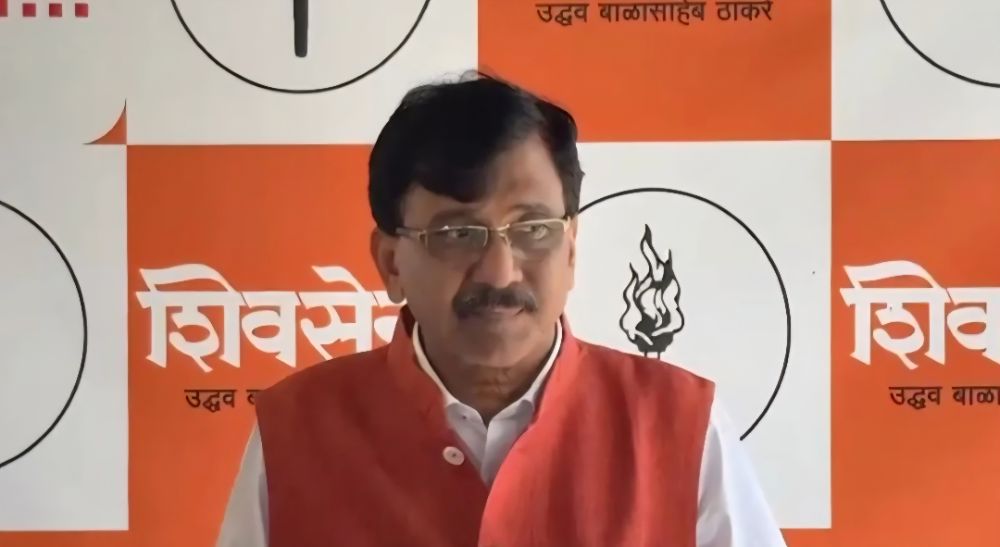
The renewed row has triggered sharp reactions across party lines, with rival leaders contesting the Congress party’s claims and emphasizing recent legislative efforts to implement women’s quota in Parliament.
Political analysts say the debate reflects a broader attempt by parties to shape the narrative ahead of upcoming electoral battles, with women’s representation emerging as a key issue.






Comments
Sign in with Google to comment.