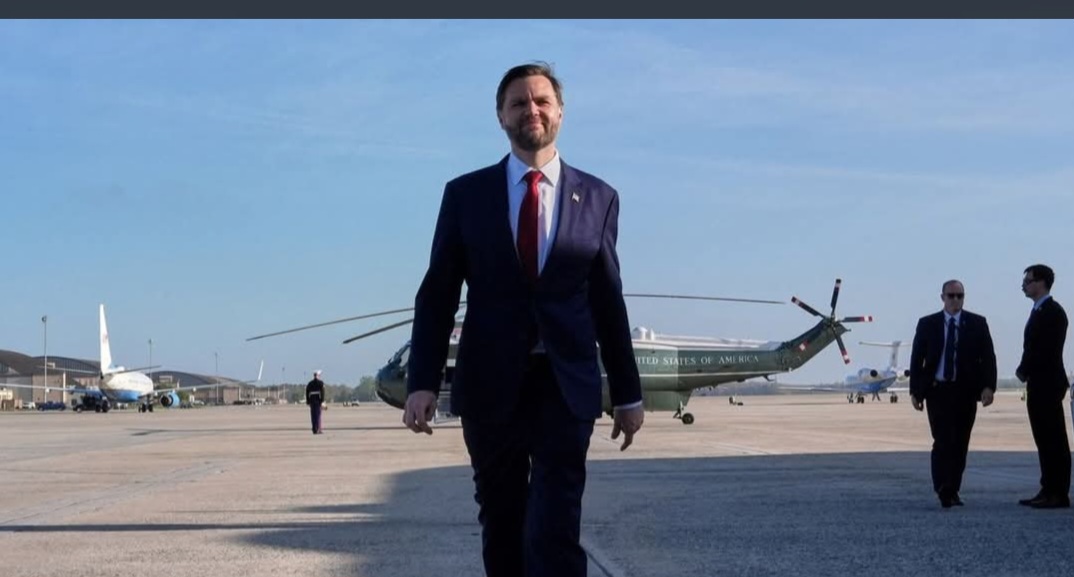
In a significant diplomatic development, Iran has managed to bring U.S. Vice President JD Vance to the negotiating table—something sections within Tehran had been aiming for over recent weeks.
The talks, now underway, are being viewed as a turning point in the strained relationship between the two nations. Iran’s leadership reportedly believed that Vance could offer a more pragmatic approach compared to other figures in the administration of Donald Trump. His past statements suggesting caution in foreign military engagements may have influenced Tehran’s preference, ultimately shaping the current negotiation setup.
The discussions are unfolding under intense global scrutiny, with both sides entering the room carrying deep mistrust. Key issues such as Iran’s nuclear program, sanctions relief, and regional security remain major sticking points. Despite the diplomatic breakthrough, neither side appears willing to make easy concessions.
Officials close to the process suggest that while the United States is pushing for stricter commitments from Iran, Tehran is focused on securing economic relief and guarantees against future sanctions. This sharp divide continues to cast uncertainty over the outcome of the negotiations.
For Vance, the talks represent a defining moment on the global stage. A successful deal could ease tensions and reshape U.S.-Iran relations, but a breakdown may further escalate instability in the region. Iran may have gotten the negotiator it wanted—but whether that translates into a deal remains to be seen.







Comments
Sign in with Google to comment.