ABU DHABI/RIYADH | APRIL 30, 2026:
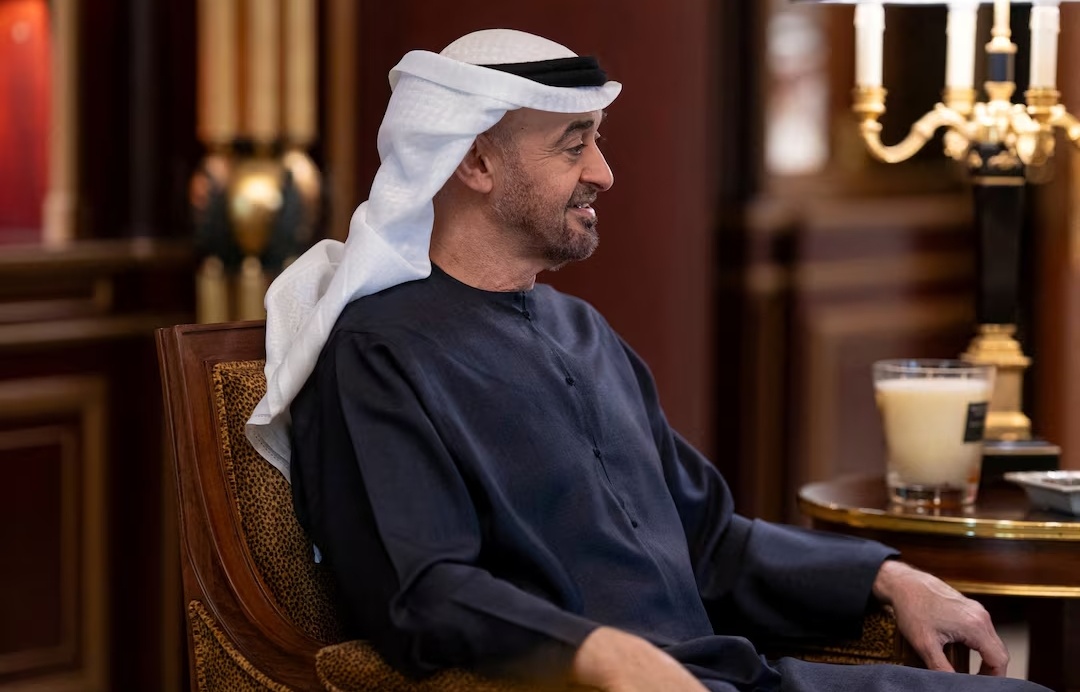
A major shift is unfolding in the Gulf’s energy landscape as the United Arab Emirates (UAE) moves away from long-standing oil coordination frameworks, exposing rising tensions with Saudi Arabia and reshaping regional power equations. The development signals a turning point in how key oil producers in the Middle East approach global markets.
The UAE’s decision reflects growing frustration over production limits and strategic differences with Saudi Arabia, which has traditionally led collective oil output decisions. Abu Dhabi is increasingly prioritizing its own economic interests, aiming to expand production capacity and strengthen its position as a global energy player
The widening gap between the two nations goes beyond oil. Analysts point to diverging economic visions, regional policies, and geopolitical priorities that have gradually strained ties. What was once seen as a strong alliance within the Gulf is now evolving into a more competitive relationship between two ambitious powers.
For global oil markets, the implications could be significant. A less coordinated approach among major producers may lead to higher volatility in oil prices, as countries pursue independent strategies rather than unified supply controls. This could impact everything from fuel prices to global inflation trends.
The shift also reflects a broader transformation in the Gulf region, where traditional alliances are giving way to a more fluid and competitive order. As the UAE asserts greater independence, the balance of influence is changing—marking a new phase in Middle Eastern geopolitics and energy leadership.










Comments
Sign in with Google to comment.