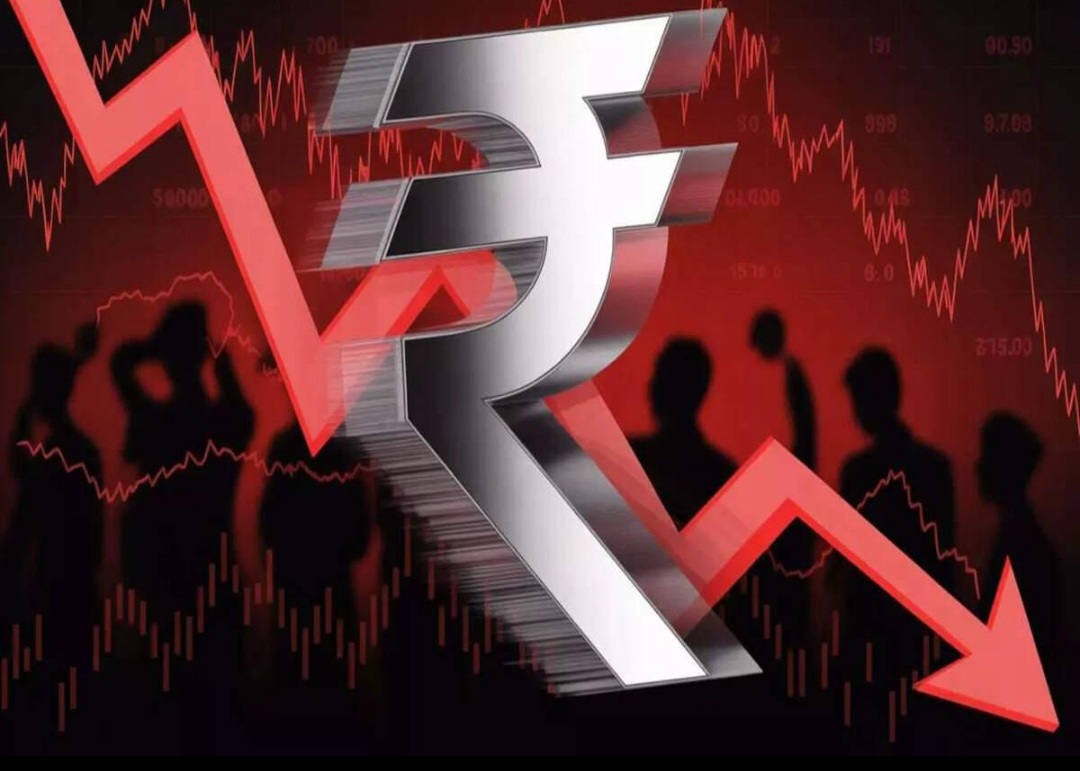
Dateline: April 30, 2026 The Indian rupee witnessed a steep fall against the US dollar on Thursday, breaching a crucial psychological level to trade at 95.46. The sharp depreciation has raised fresh concerns over external stability, inflationary pressures, and the broader economic outlook, as the domestic currency continues to struggle under global and domestic headwinds.
Market experts attribute the rupee’s decline to a combination of factors, including a strengthening US dollar, rising crude oil prices, and sustained foreign capital outflows. The dollar index has remained firm amid expectations of prolonged higher interest rates in the United States, making emerging market currencies like the rupee less attractive to investors.
Additionally, elevated crude oil prices are putting pressure on India’s import bill, as the country heavily depends on oil imports. A surge in oil costs typically widens the current account deficit, further weakening the rupee. Traders also point to increased demand for dollars from importers and corporates as a contributing factor behind the currency’s slide.
The Reserve Bank of India (RBI) is closely monitoring the situation and is expected to intervene if volatility intensifies. While the central bank has historically stepped in to curb excessive fluctuations, analysts believe that global cues will continue to dominate the rupee’s trajectory in the near term
Economists warn that a weaker rupee could push up inflation by making imports costlier, particularly fuel and essential commodities. However, exporters may benefit from the depreciation as it enhances their competitiveness in global markets.
With uncertainty persisting in global financial markets, all eyes are now on policy responses and external developments. The rupee’s movement in the coming days will largely depend on crude price trends, US economic data, and the RBI’s strategic interventions.













Comments
Sign in with Google to comment.