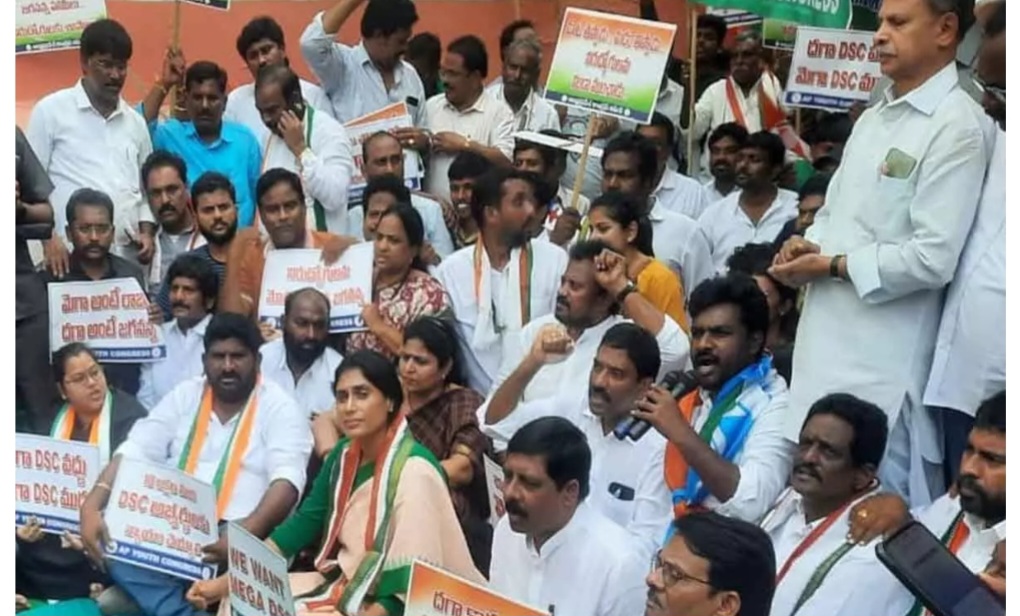
Vijayavaada April 18,2026
Southern and northeastern states are raising strong opposition to delimitation. Their core argument is that if parliamentary seats are redistributed purely based on population, states that have successfully controlled population growth will be unfairly penalized. States like Tamil Nadu, Kerala, and Telangana are questioning whether their effective family planning policies are now turning into a disadvantage. This has turned delimitation into a major political flashpoint across the country.
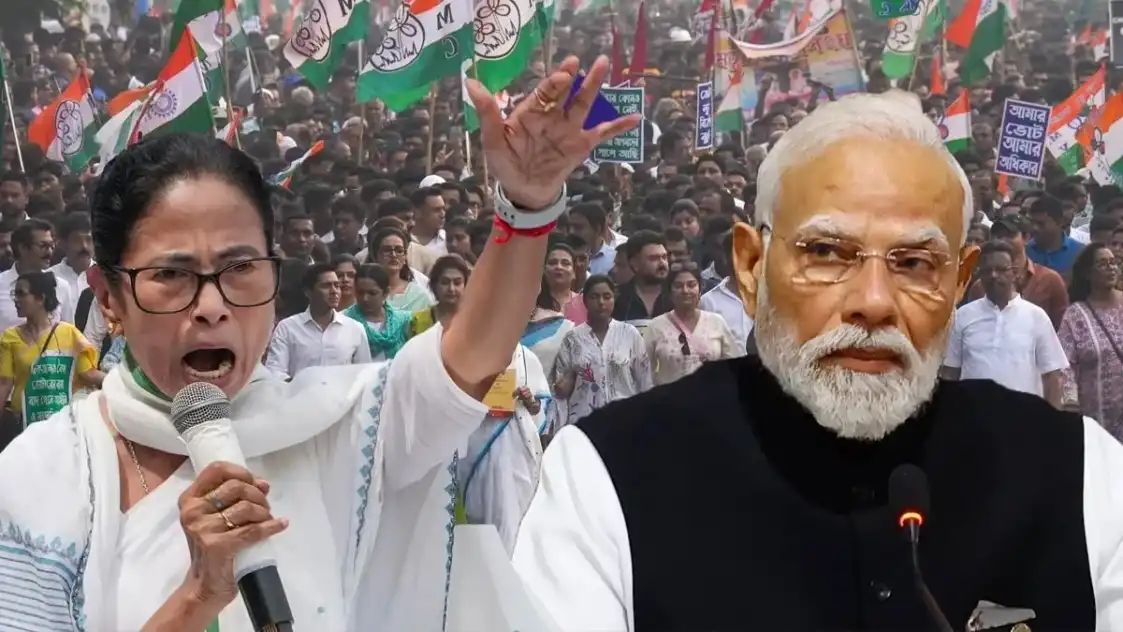
Meanwhile, opposition parties have sharply criticized the plan of the Bharatiya Janata Party. They argue that since northern states have higher populations, the number of seats there will increase, reducing the representation of southern states. According to them, this could significantly alter the balance of power at the Centre and deepen regional inequalities.
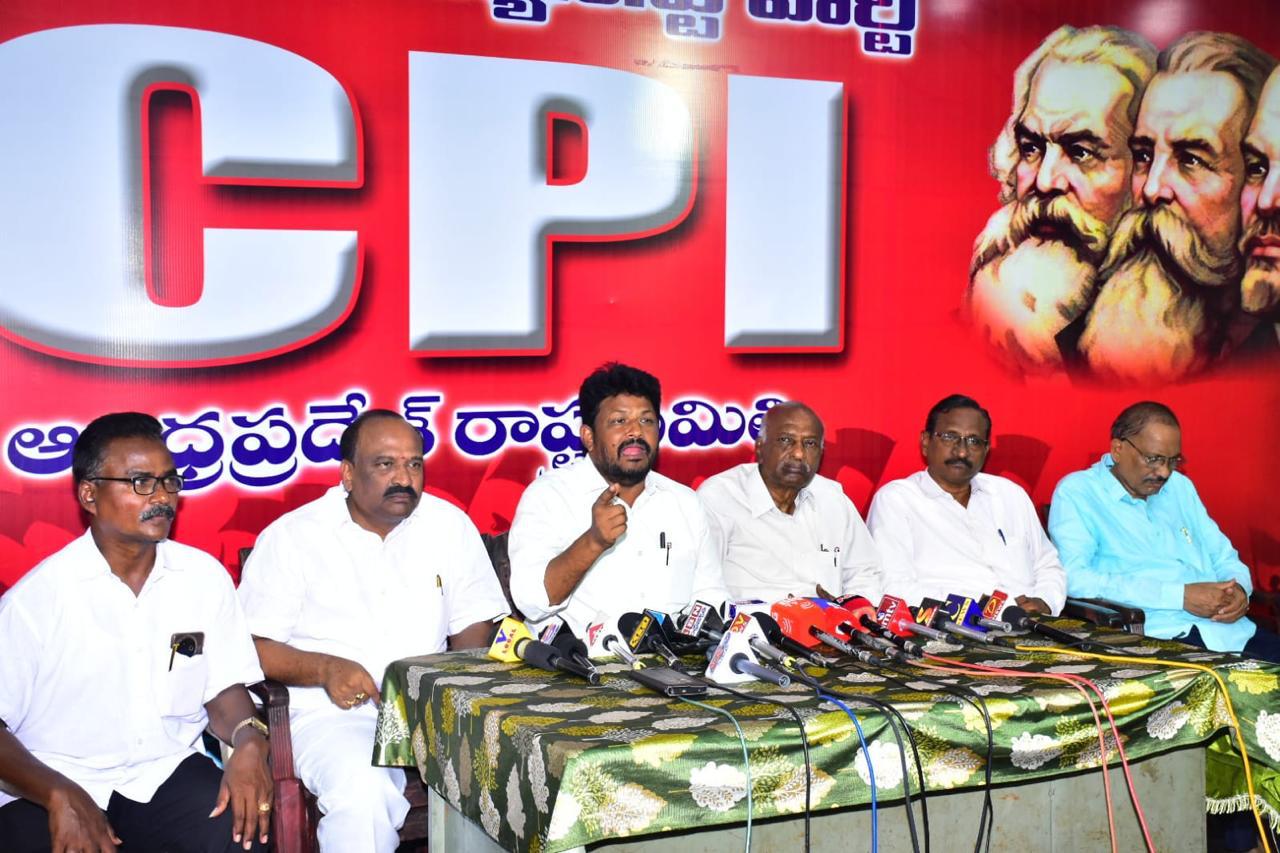
While such resistance is visible across many parts of India, the situation in Andhra Pradesh stands out as an exception. Both the ruling and opposition parties in the state appear to support delimitation, which has surprised many observers. Analysts believe this support is driven by expectations that the state could gain additional parliamentary seats.
However, public opinion within Andhra Pradesh is more divided. Many citizens are concerned that delimitation could weaken equal representation among states and negatively impact regional development. There is also a growing perception that the rights and influence of southern states could be diminished in the long run.
Overall, the delimitation issue is shaping up to be a major factor in India’s political landscape. It is not only intensifying debates over regional imbalance but also revealing how political parties may shift their positions based on strategic interests. The outcome of this debate could have lasting implications for Centre-state relations in the future.







Comments
Sign in with Google to comment.