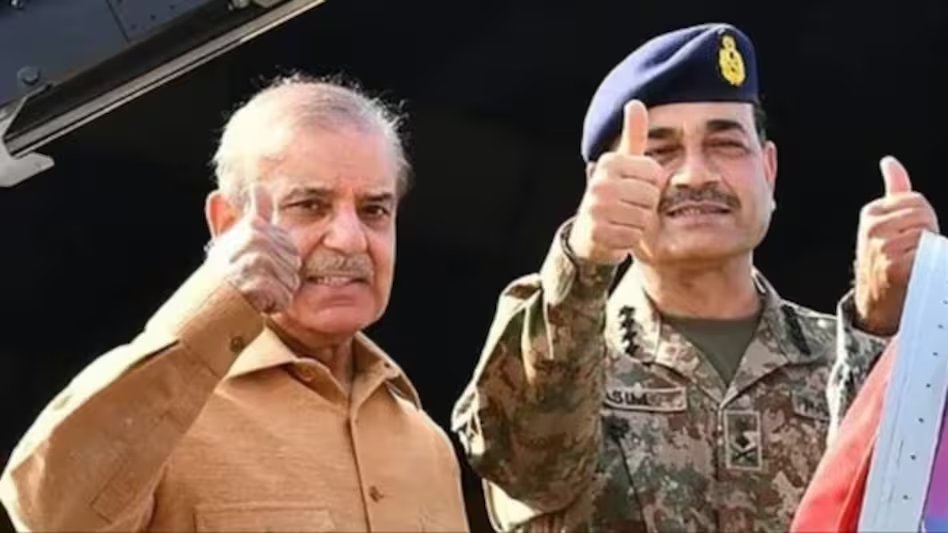
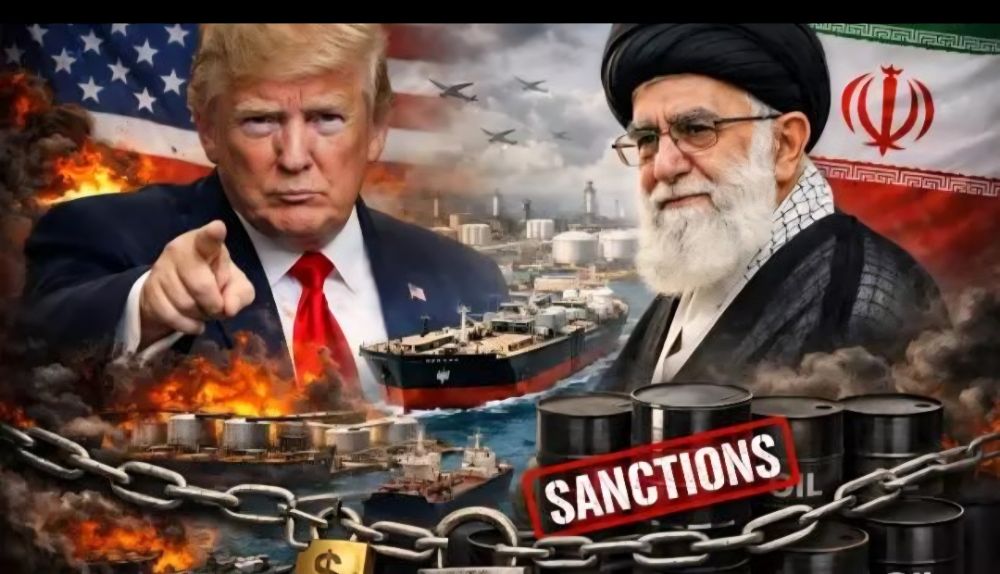
Amid rising uncertainty over the future of the fragile ceasefire between the United States and Iran, Pakistan has stepped forward with a diplomatic appeal, urging both nations to extend the truce by an additional 14 days.
Pakistan’s Foreign Minister Ishaq Dar said that prolonging the ceasefire would provide crucial time for diplomacy and open the door for meaningful negotiations between the two rivals. Dar emphasized that dialogue remains the best path forward and warned that allowing the ceasefire to lapse could push the region back toward instability. He noted that both Washington and Tehran still have an opportunity to resolve tensions through peaceful engagement, adding that “diplomacy and negotiations deserve another chance” before any military escalation resumes.
Pakistan’s request comes at a time when uncertainty surrounds the planned peace talks, with reports indicating that key U.S. representatives have yet to depart for the expected negotiations. The delay has fueled speculation about whether both sides are fully prepared to move ahead, even as diplomatic channels remain technically open.
Regional observers say Pakistan’s intervention reflects growing concern across South Asia and the Middle East over the consequences of renewed conflict between the U.S. and Iran. Any breakdown in talks could trigger fresh geopolitical tensions, disrupt trade routes, and deepen insecurity across the region, especially for countries already grappling with economic and security challenges.
With the current ceasefire deadline approaching, all eyes are now on Washington and Tehran. Whether the two sides accept Pakistan’s plea for a two-week extension could determine whether the region moves toward dialogue—or slips back toward confrontation





Comments
Sign in with Google to comment.