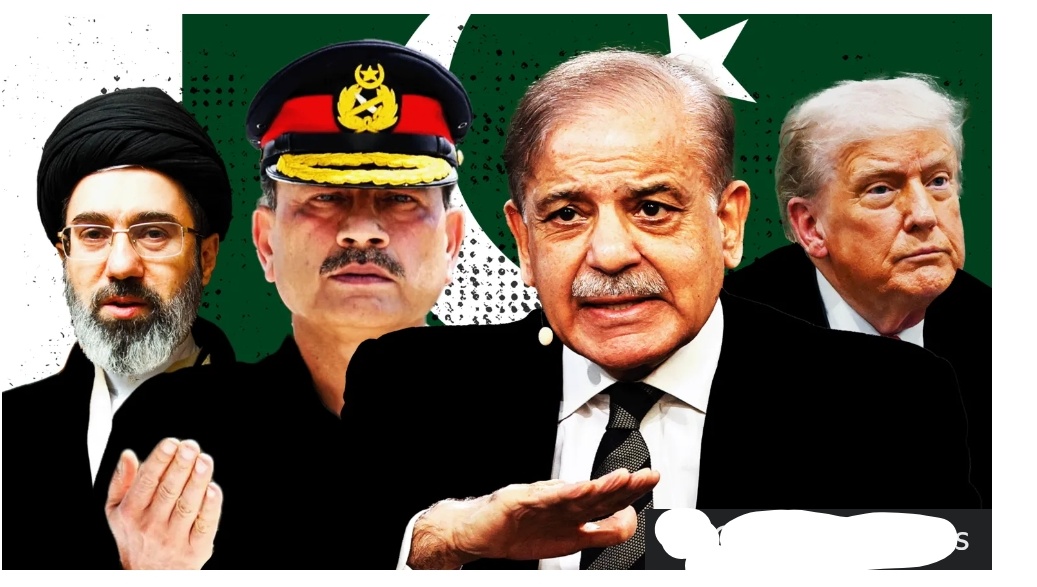
Pakistan Prime Minister Shehbaz Sharif has made a bold and provocative statement, declaring that hosting the crucial US–Iran peace talks is not just a diplomatic win for Pakistan but a moment of pride for the entire Muslim world. His remarks have instantly grabbed global attention, placing Islamabad at the center of high-voltage international negotiations.
Sharif’s aggressive projection of Pakistan as a key peace broker signals a clear attempt to reshape the country’s global image. By hosting talks between two bitter rivals—the United States and Iran—Pakistan is trying to position itself as a decisive player in global diplomacy, especially within the Islamic bloc.
However, the claim has triggered sharp reactions from geopolitical observers. Critics argue that while Pakistan is hosting the talks, the real power still lies with Washington and Tehran. The success or failure of these negotiations will depend on their decisions—not Islamabad’s narrative of leadership.
The timing of this statement is critical, as tensions in the Middle East remain dangerously high. Ongoing conflicts, fragile ceasefires, and nuclear concerns continue to threaten stability, making these talks extremely sensitive. Any collapse in dialogue could escalate into a wider regional crisis with global consequence
By branding the talks as a victory for the Muslim world, Shehbaz Sharif is clearly targeting a broader audience and attempting to rally diplomatic influence. But the real test lies ahead—whether Pakistan can turn this moment into a genuine breakthrough or if it will remain a symbolic claim without lasting impact.



Comments
Sign in with Google to comment.