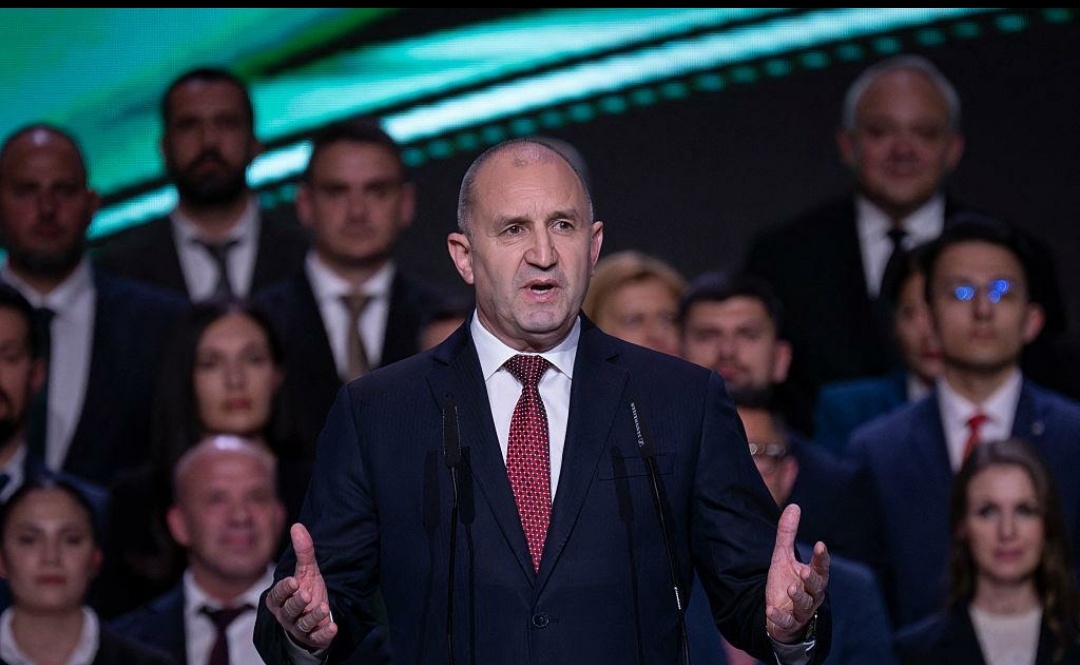
Exit polls in Bulgaria indicate a sweeping victory for pro-Russian former president Rumen Radev, signaling a major shift in the country’s political direction. Early projections suggest Radev has secured a commanding lead over his closest rivals, with analysts calling it a landslide result that could reshape Bulgaria’s domestic and foreign policies.
The election outcome reflects growing public discontent over economic challenges, inflation, and political instability that have gripped Bulgaria in recent years. Radev, who has often advocated for closer ties with Moscow, capitalized on voter frustration and positioned himself as a leader capable of restoring stability and national sovereignty.
Political observers note that the result may strain Bulgaria’s relations with the European Union and NATO, both of which Bulgaria is a member of. Radev’s previous criticism of Western sanctions on Russia and his calls for a more balanced foreign policy have raised concerns among Western allies about Sofia’s future alignment.
Supporters of Radev celebrated across major cities, hailing the result as a rejection of what they describe as external influence in Bulgaria’s internal affairs. Meanwhile, opposition leaders have urged calm and called for transparency in the final vote count, though no major irregularities have been reported so far.
As official results are awaited, the international community is closely watching developments in Bulgaria. The outcome could have broader implications for regional geopolitics, particularly amid ongoing tensions between Russia and the West, with Bulgaria potentially emerging as a more neutral—or even sympathetic—voice within European institutions.










Comments
Sign in with Google to comment.