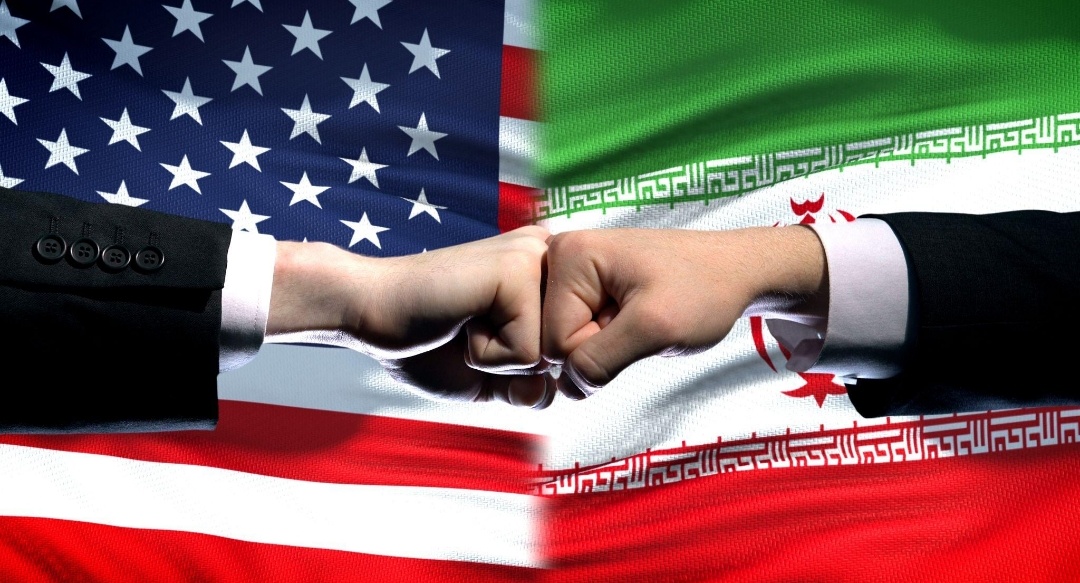
Dateline: Washington, D.C. / Tehran — May 2, 2026.
In a striking shift from traditional diplomacy, the Embassy of Iran in the United States has triggered controversy with a sharply worded response that analysts are calling a case of “weaponized irony.”
The statement, laced with provocative language more common in online conspiracy circles than official diplomacy, appears designed to resonate not with policymakers but with deeply polarized segments of the American public.
Observers note that the embassy’s use of phrases like “pedophile boss” reflects a deliberate attempt to bypass formal diplomatic channels and instead engage directly with fringe narratives circulating within the United States. This unconventional rhetoric marks a departure from standard diplomatic decorum, signaling a more aggressive and unorthodox communication strategy by Tehran’s representatives abroad.
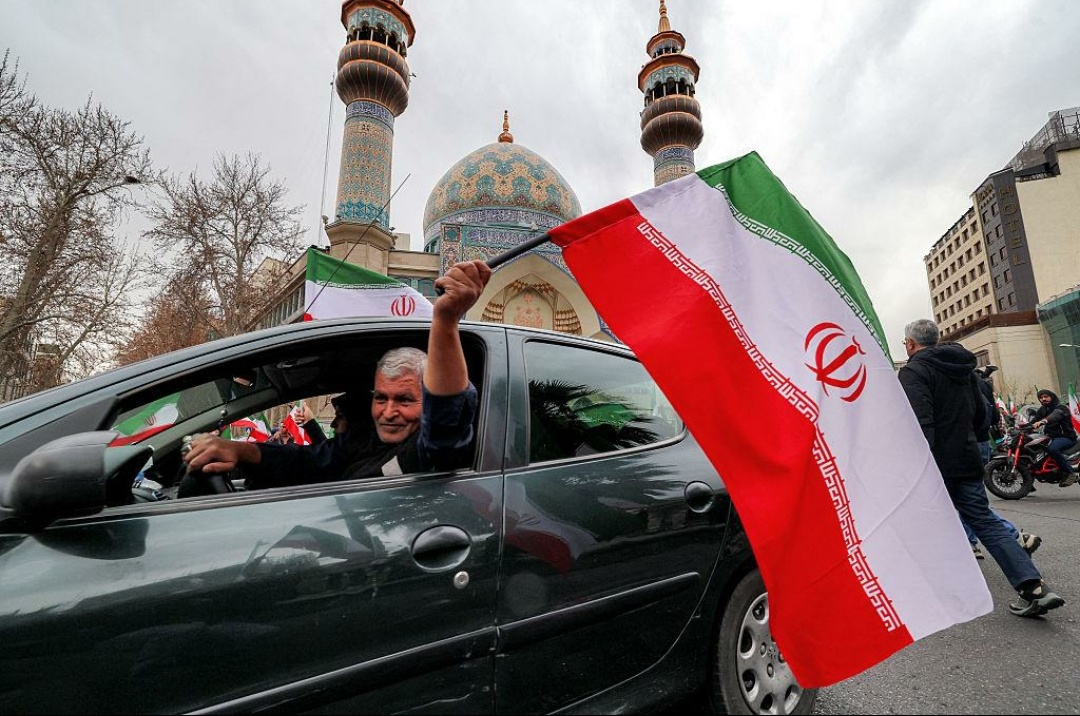
The response also claimed that the United States had suffered defeat “both on the battlefield and in cyberspace,” a statement widely interpreted as an effort to project strength amid mounting pressure. However, experts argue that such assertions are less about factual military outcomes and more about maintaining domestic and international perception in the face of ongoing economic strain.
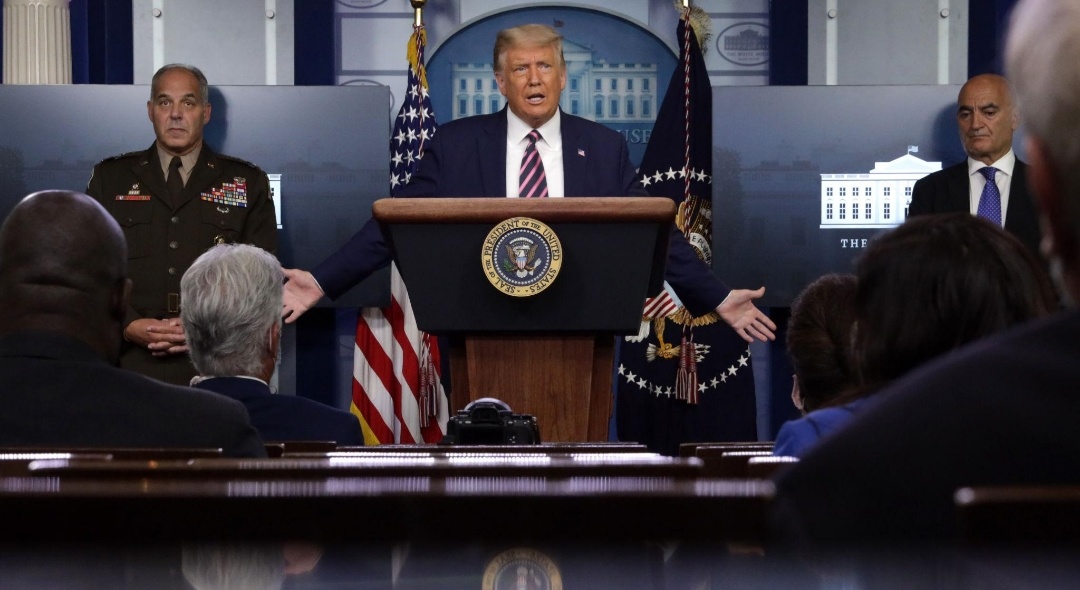
At the center of that strain is the United States Department of the Treasury, whose sanctions regime continues to exert heavy pressure on Iran’s economy. With financial restrictions tightening and global trade avenues shrinking, Tehran’s room for maneuvering on the international stage has become increasingly constrained
. Critics suggest that the embassy’s remarks, rather than constituting a substantive rebuttal, reveal a deeper frustration within Iran’s diplomatic apparatus. By resorting to inflammatory language, they argue, the response underscores the limited tools currently available to counter Washington’s economic and geopolitical leverage.
As tensions persist, this episode highlights a broader تحول in global diplomacy—where official statements are no longer confined to measured language, but increasingly shaped by the dynamics of digital influence, public sentiment, and ideological polarization.








Comments
Sign in with Google to comment.