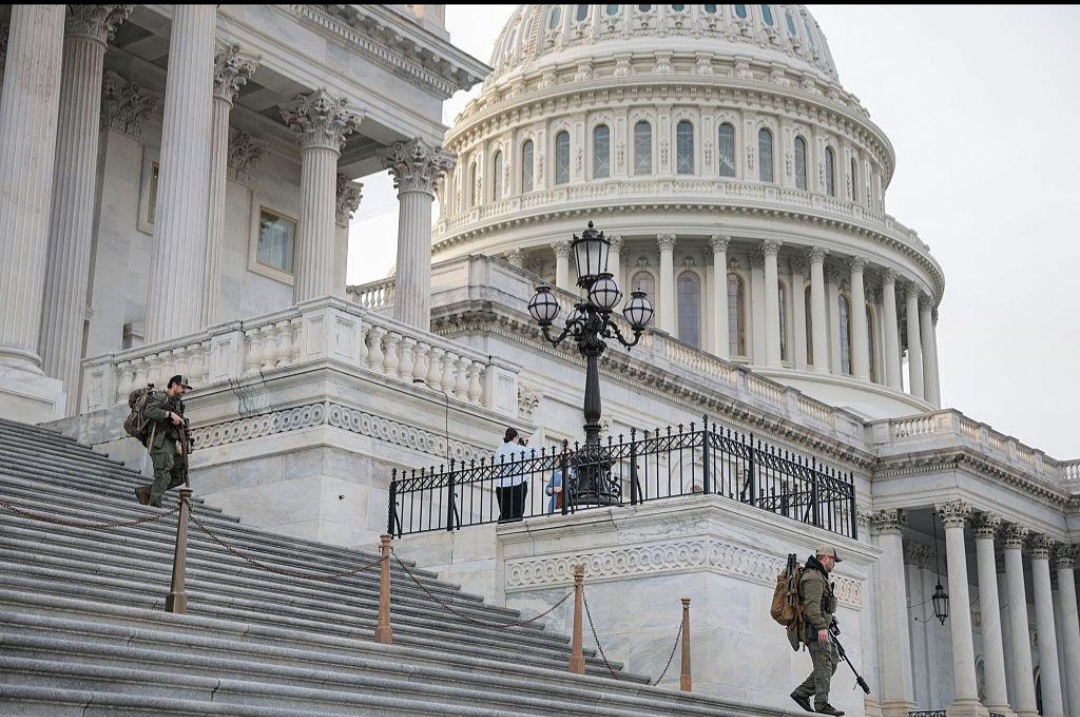
Washington, May 2, 2026:
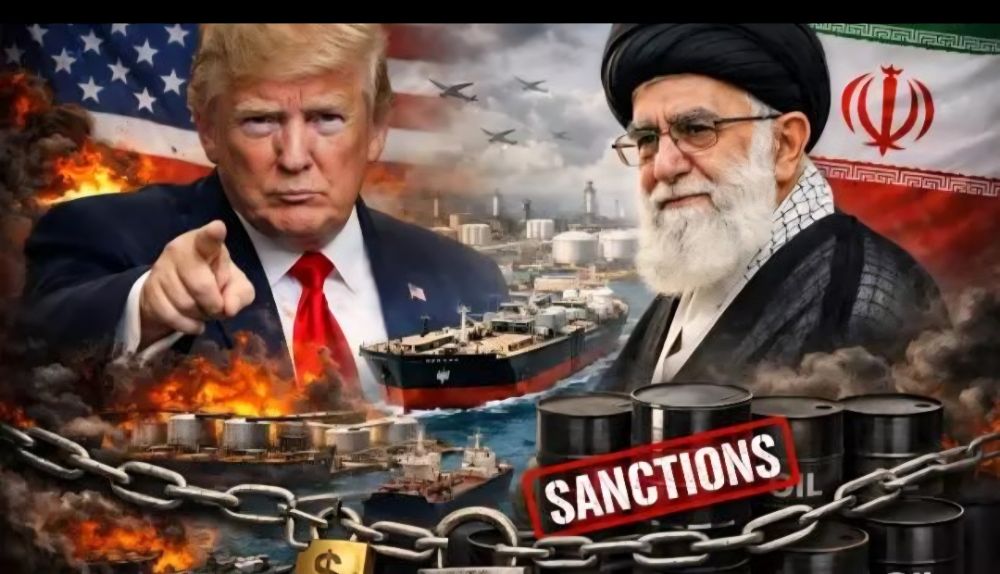
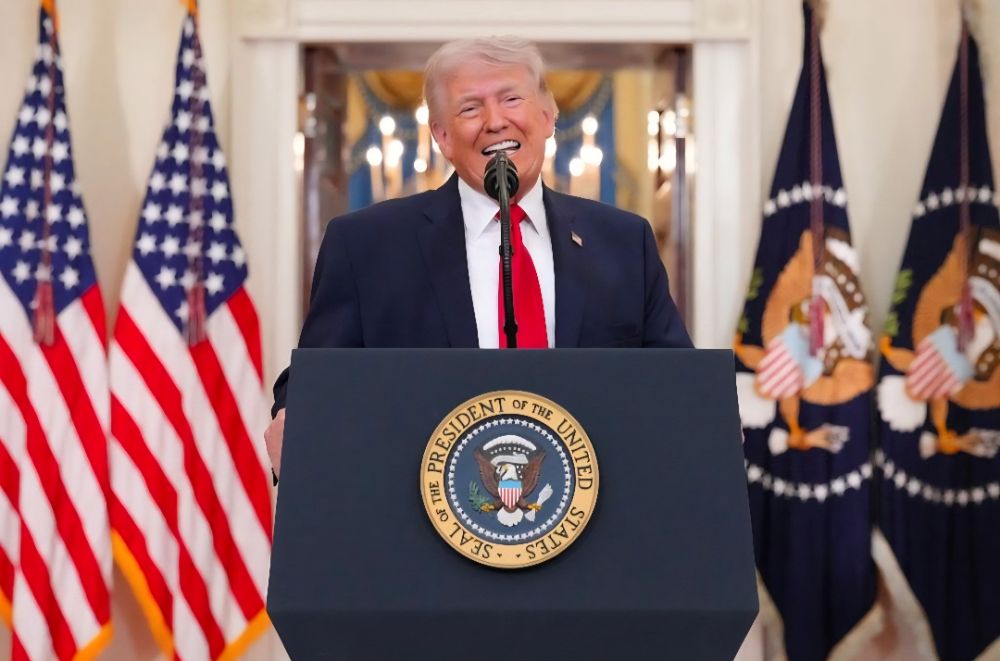
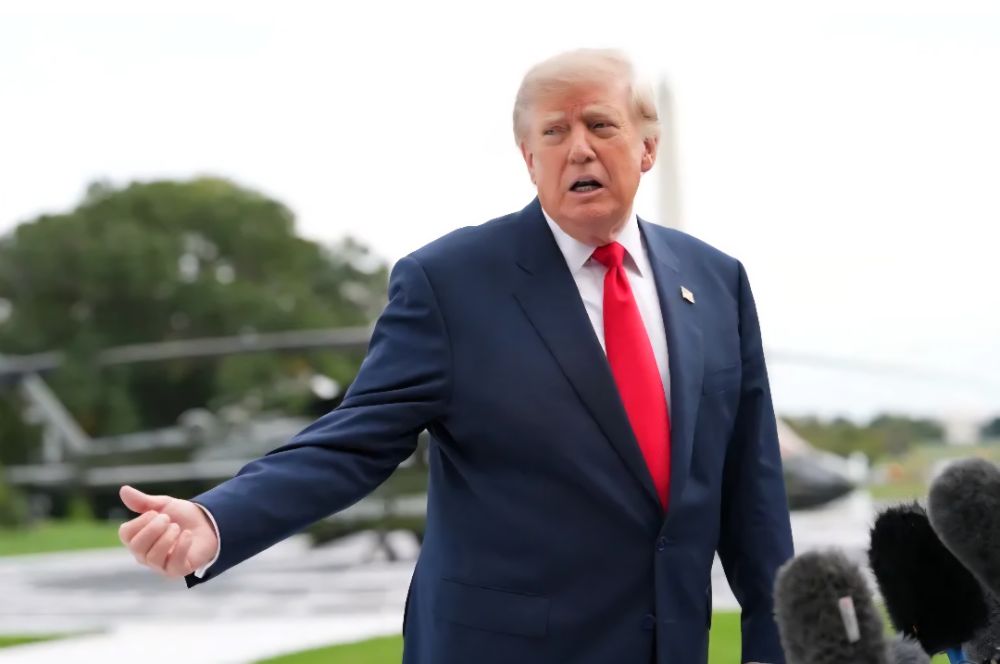
Donald Trump has ignited a fierce political clash after declaring that U.S. hostilities against Iran are “terminated,” following a ceasefire that he says removes the need for congressional approval to continue military engagement.
The announcement comes at a critical moment, just as the legal deadline under the War Powers framework required the administration to seek authorization from lawmakers. Trump’s argument hinges on a narrow interpretation—that the absence of active combat operations means the conflict is effectively over, even if military assets remain in place.
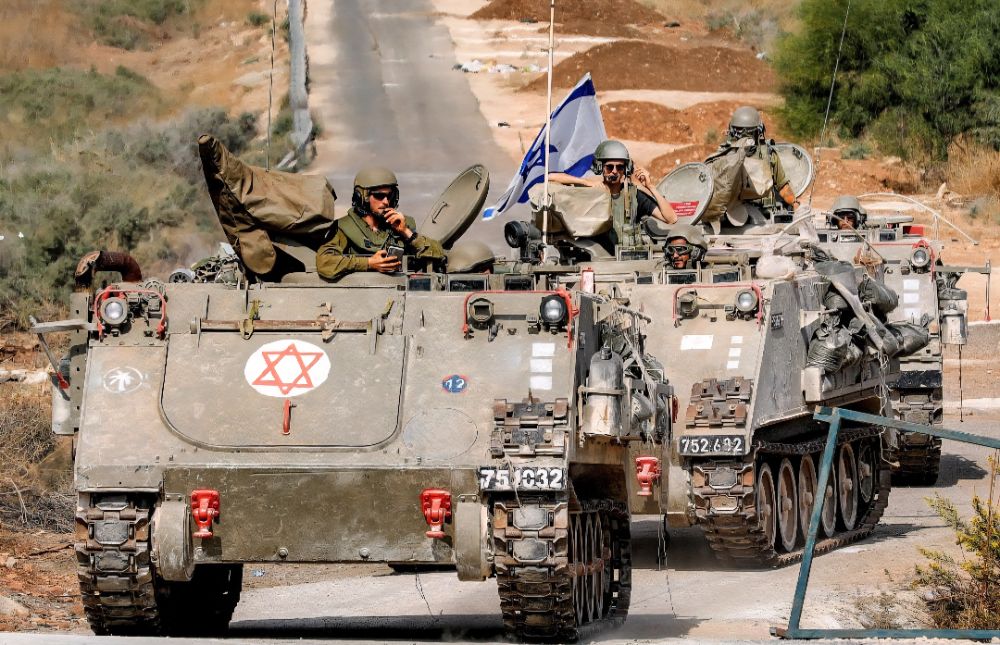
However, the reality on the ground tells a more complicated story. U.S. forces are still stationed in strategic locations, and pressure tactics, including economic and naval measures, have not been rolled back. This has raised serious questions about whether the conflict has truly ended or is merely paused under a different label.
Lawmakers across party lines have reacted sharply, accusing the president of attempting to bypass constitutional checks and balances. Critics argue that redefining “hostilities” to avoid congressional oversight sets a dangerous precedent, especially when troops remain exposed to potential escalation.
At its core, the controversy is not just about Iran—it’s about the balance of power in Washington. Trump’s move has reignited a long-standing debate over who has the authority to decide war and peace, setting the stage for a deeper constitutional confrontation in the days ahead






Comments
Sign in with Google to comment.