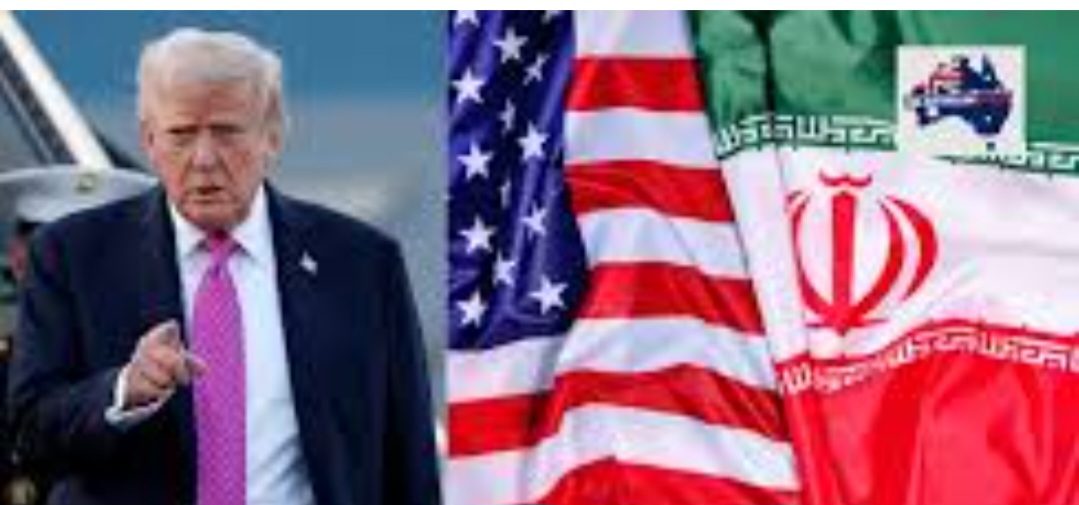
Washington / Tehran | April 8, 2026 In a dramatic last-minute geopolitical breakthrough, Donald Trump has announced a two-week conditional ceasefire with Iran, pulling the world back from the edge of a potential large-scale conflict in the Middle East. The agreement, centered around the strategic Strait of Hormuz, is already sending shockwaves through global energy markets and diplomatic circles. According to initial details, Iran has agreed to pause all military operations for 14 days and ensure the safe movement of commercial shipping, especially oil tankers, through the critical waterway. In return, the United States will hold back any planned military strikes, creating a narrow but crucial window for de-escalation. This sudden shift comes after days of rising tensions, military alerts, and fears of a direct confrontation that could have disrupted global oil supply chains. The Strait of Hormuz, through which nearly one-fifth of the world’s oil passes daily, had become the focal point of the crisis. With the ceasefire now in place, the immediate threat to global energy flow appears to have eased.
Markets reacted instantly.
Global crude oil prices fell sharply within hours of the announcement, reflecting renewed confidence in supply stability. Brent crude dropped below key psychological levels, while US crude benchmarks also recorded steep declines. Energy traders,
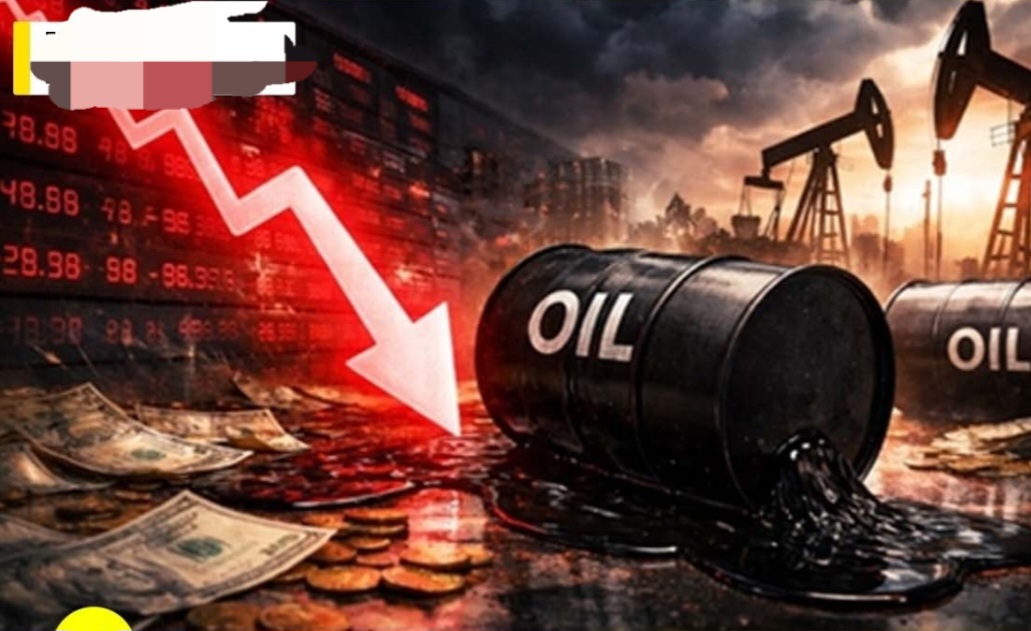
who had priced in the risk of war, rushed to unwind positions. Stock markets across Asia, Europe, and the United States surged on the news, driven by relief among investors. Shipping companies also responded positively, with expectations that delayed vessels will now resume transit. Industry sources indicate that dozens of oil tankers stranded in the Gulf region may soon begin moving again under secured conditions. Despite the optimism, the agreement is being described as fragile and temporary. Diplomatic observers caution that the ceasefire is not a permanent solution but rather a tactical pause. Both Washington and Tehran are expected to use this period to reassess strategies and possibly open indirect negotiations. President Trump, speaking after the announcement, described the development as a major success for US policy, emphasizing strength and strategic pressure. On the other hand, Iranian officials have framed the agreement as a measured decision to ensure regional stability without compromising sovereignty. The contrasting narratives highlight the continuing distrust between the two sides. Military analysts warn that any violation of the ceasefire terms could rapidly trigger escalation. Naval forces in the region remain on high alert despite the temporary calm. The US Navy is expected to continue monitoring shipping lanes closely to ensure compliance. Regional allies are also watching developments carefully, given the broader implications for Middle East security. Countries dependent on oil imports, including India, China, and Japan, are likely to benefit from the sudden drop in prices. Lower crude costs could ease inflationary pressures in several economies. However, experts stress that the situation remains unpredictable. A single incident in the Gulf could reverse the current trend. Energy markets are expected to remain volatile over the coming days. Traders will closely track signals from both governments. Diplomatic backchannels may become active during the ceasefire window. There is also speculation about possible third-party mediation efforts. The next two weeks are being seen as critical for determining whether tensions will ease further or spiral again. For now, the world is witnessing a rare pause in a rapidly escalating crisis. The ceasefire has not resolved underlying disputes but has provided temporary breathing space. Global attention remains fixed on the Strait of Hormuz. Any disruption there could have immediate worldwide consequences. As of now, oil is flowing, ships are moving, and markets are stabilizing. But the clock is ticking. The countdown on this fragile peace has already begun.









Comments
Sign in with Google to comment.