Europe Weighs Security Future Amid U.S. Withdrawal Concerns Dateline:
Ankara, April 19
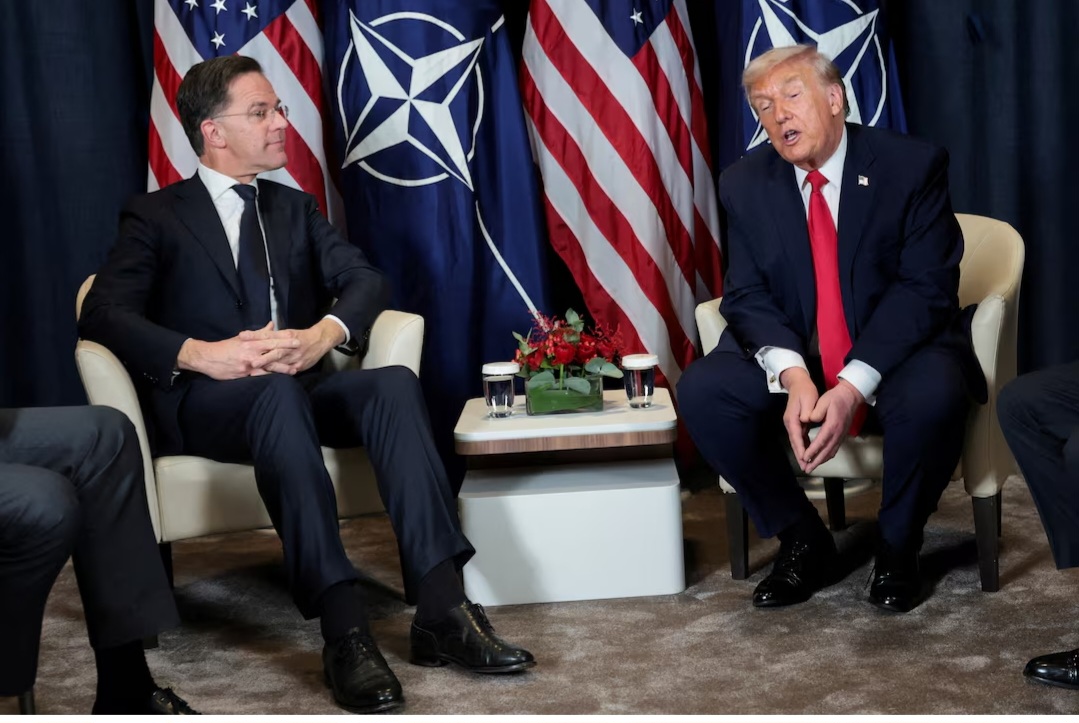
Discussions are intensifying across Europe on how to manage the potential fallout from a possible shift in the United States’ role within the continent’s long-standing security framework, Turkey’s Foreign Minister Hakan Fidan said on Saturday.
Speaking amid growing geopolitical uncertainty, Fidan revealed that policymakers and defense officials are actively exploring contingency plans to “mitigate risks” tied to any reduction in U.S. commitment to what is widely referred to as the European security architecture. His remarks come at a time when transatlantic relations are facing renewed scrutiny over burden-sharing and strategic priorities.
The European security system has, for decades, relied heavily on U.S. military presence and leadership through institutions such as NATO. Any significant change in Washington’s posture could force European nations to reassess defense strategies, increase military spending, and strengthen regional cooperation mechanisms. Fidan emphasized that Turkey, a key NATO member straddling Europe and Asia, is closely monitoring developments and remains engaged in dialogue with allies.
He noted that while no final decisions have been announced by Washington, the mere possibility of a strategic shift has already triggered serious conversations among European capitals.
Analysts warn that a reduced U.S. footprint could create security gaps, particularly in Eastern Europe, where tensions remain high. However, some European leaders view the situation as an opportunity to build a more autonomous defense capability, reducing long-term dependence on American support.
As discussions continue, the future of Europe’s security framework appears increasingly uncertain, with allies weighing both the risks and opportunities of a changing geopolitical landscape.










Comments
Sign in with Google to comment.