Khartoum, Sudan | April 19, 2026
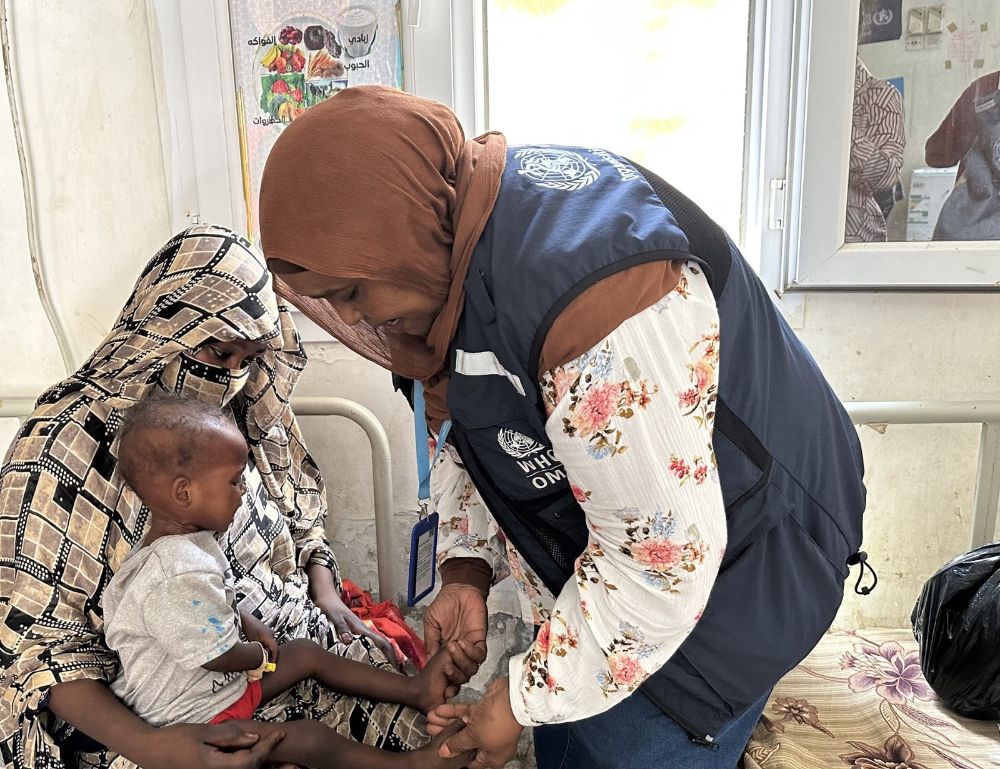
After nearly three years of relentless conflict, Sudan is grappling with what aid agencies describe as the world’s largest humanitarian emergency, with millions caught in a collapsing health system. According to the World Health Organization, an estimated 34 million people now require urgent assistance, including over 21 million in desperate need of basic health care services.
The crisis has pushed vulnerable populations to the edge, with more than 4 million people suffering from acute malnutrition, many of them children. The situation is worsening as nearly 37% of health facilities across the country remain non-functional due to damage, lack of supplies, or insecurity, leaving entire communities without access to lifesaving treatment.
Disease outbreaks are spreading rapidly in the absence of functioning health infrastructure. Cases of malaria, measles, and cholera are rising sharply, compounding the suffering of already weakened populations. Health experts warn that without immediate intervention, preventable diseases could claim thousands more lives in the coming months.
Adding to the crisis, attacks on health care facilities and workers continue to escalate. Verified reports indicate at least 217 such attacks, resulting in over 2,000 deaths. These assaults have forced families to undertake long, dangerous journeys in search of medical care, often risking their lives just to access basic treatment.
Despite these challenges, the WHO and its partners have scaled up emergency responses, delivering more than 3,300 tons of medical supplies, reaching over 4.1 million people with health services, and vaccinating 46 million individuals. However, humanitarian agencies stress that without sustained international support, protection for health workers, and above all, peace, Sudan’s health crisis could spiral even further out of control










Comments
Sign in with Google to comment.