Dateline: Islamabad/Washington/Tehran | April 21, 2026
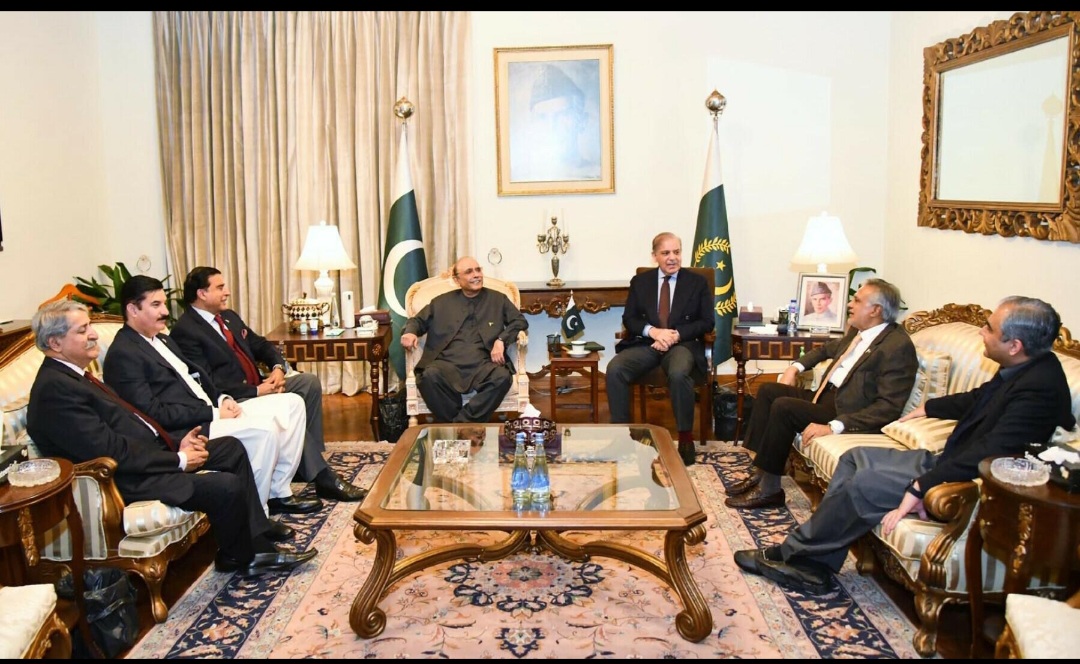
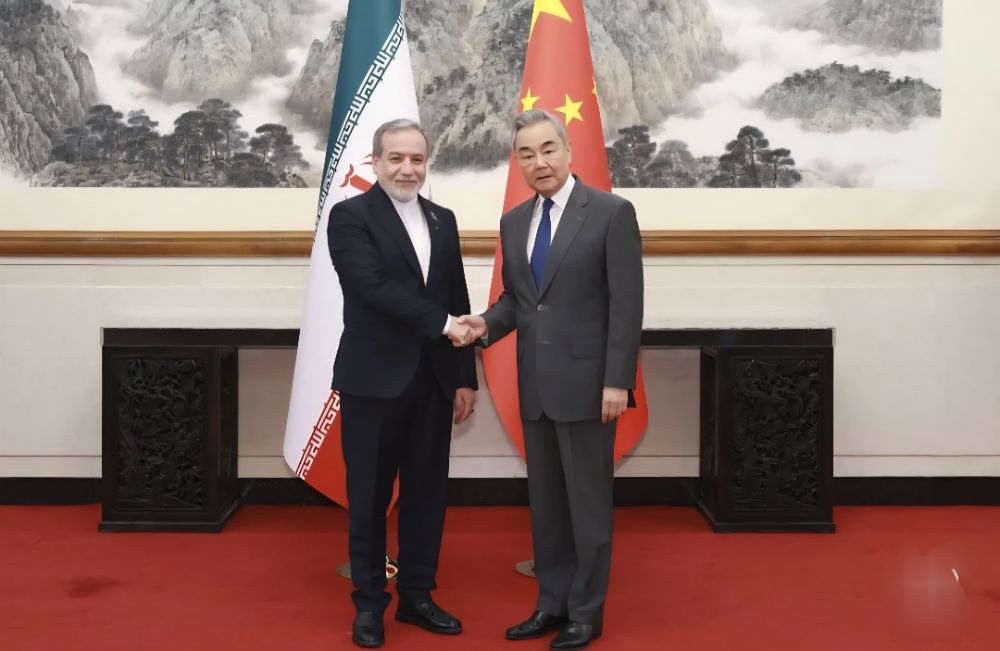
A fresh wave of “midnight diplomacy” is quietly shaping the next phase of engagement between the United States and Iran, as backchannel negotiations intensify to prevent a wider regional crisis. Multiple intermediaries are working behind the scenes to narrow differences and create conditions for formal talks, signaling a renewed—though fragile—moment for diplomacy.
Sources tracking the developments say the current push is less about public posturing and more about discreet consensus-building. The objective is to establish a minimum common ground before leaders step into the spotlight. While both Washington and Tehran have indicated conditional openness to dialogue, deep mistrust continues to define the process.
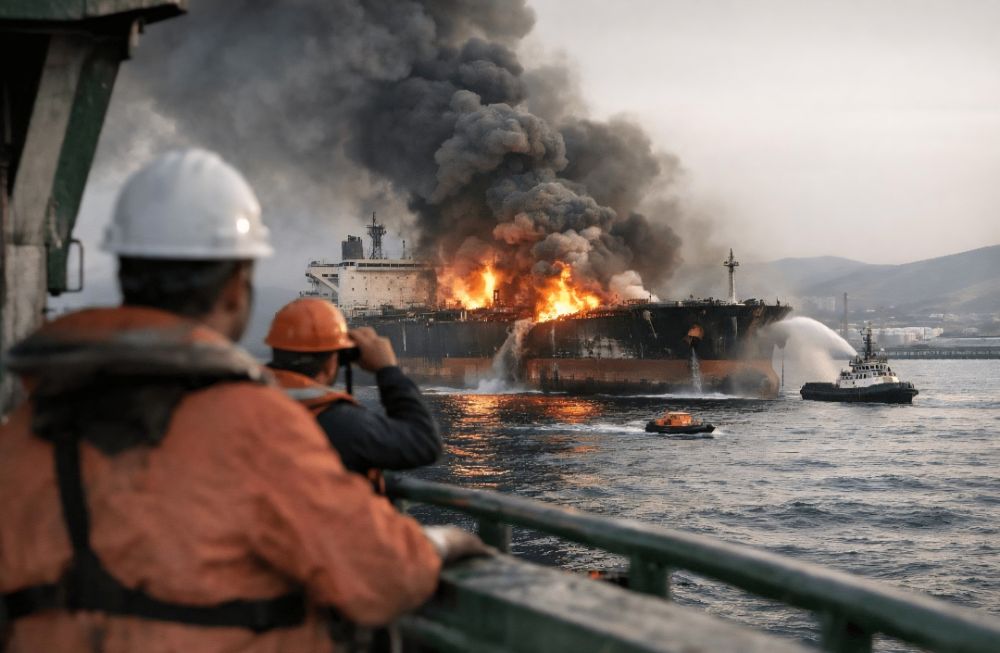
Recent tensions at sea and competing strategic interests have complicated the diplomatic track. Military signaling from both sides has raised the stakes, making the role of intermediaries even more critical. Analysts note that this dual-track approach—pressure on the surface, negotiation underneath—is a familiar pattern in US–Iran relations.
At the same time, disagreements over the scope of any potential agreement remain unresolved. The United States is believed to be pushing for a broader framework, while Iran is focused on limited, phased understandings tied to sanctions relief and security guarantees. This divergence continues to slow progress.
For now, the momentum rests on backchannel efforts. Whether these quiet talks can translate into a formal breakthrough will depend on how far both sides are willing to compromise in the coming days.





Comments
Sign in with Google to comment.