New Delhi, April 21, 2026
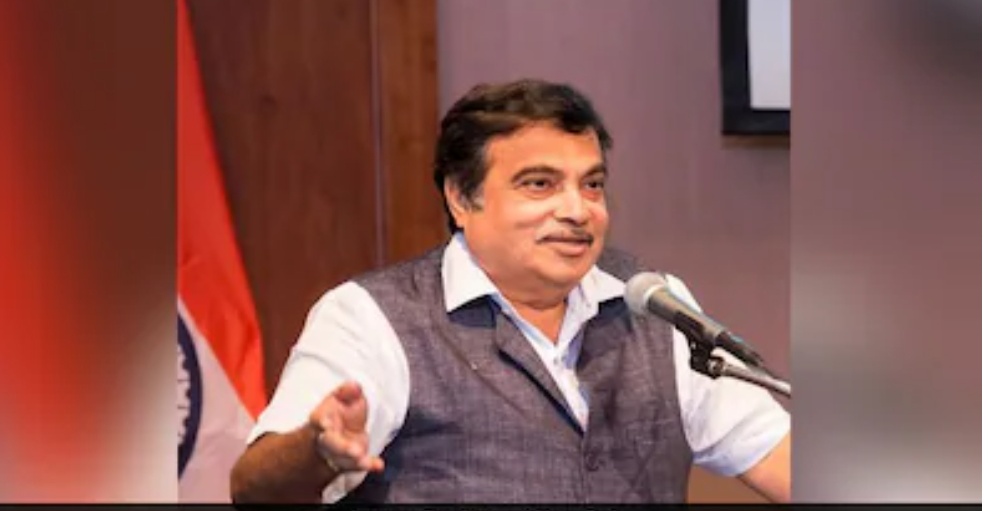
Union Minister Nitin Gadkari has said that India’s ancient knowledge systems can guide the world in addressing modern challenges, reviving a broader conversation about the country’s civilizational influence. Speaking at a recent public event, Gadkari emphasized that India’s cultural and intellectual heritage, rooted in traditions like Sanskrit literature and philosophy, offers valuable insights for global progress.
His remarks come amid renewed discussions triggered by claims attributed to the late Khamineni, who had suggested that the Persian language has origins in Sanskrit. The assertion has sparked debate among linguists and historians, with experts pointing out that while both Sanskrit and Persian belong to the Indo-Iranian branch of the Indo-European language family, one is not directly derived from the other.
Scholars note that Sanskrit and Persian share a common ancestral linguistic root, which explains similarities in vocabulary and grammar. However, modern linguistic research maintains that they evolved parallelly rather than one originating from the other
. Gadkari, in his address, highlighted India’s growing global stature, asserting that the country’s blend of tradition and innovation positions it as a moral and intellectual leader. “India has the potential to guide the world with its values, sustainability practices, and inclusive development model,” he said
. The comments have drawn mixed reactions on social media and in academic circles. While some welcomed the emphasis on India’s heritage, others urged caution against oversimplified historical claims, calling for evidence-based discourse on language and history.









Comments
Sign in with Google to comment.