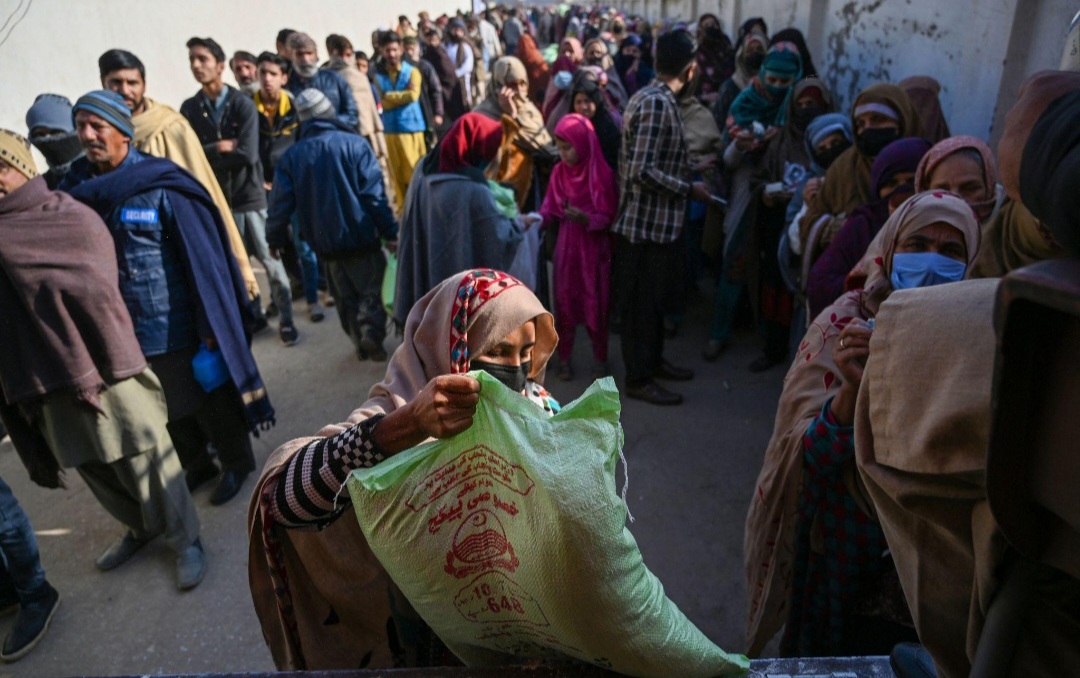
Pakistan’s economic crisis has spiraled into a full-blown humanitarian emergency, with the country now slipping into global hunger rankings. Once projected as a rising South Asian economy, Pakistan is today battling record inflation, crippling debt, and alarming food insecurity, pushing millions of its citizens to the brink of starvation.
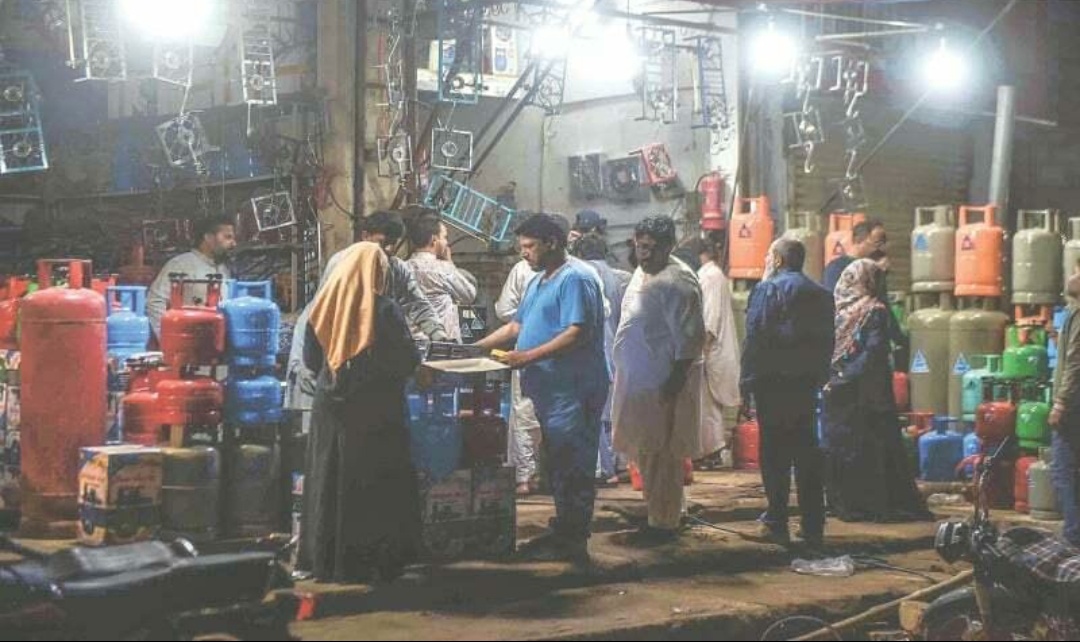
The situation has worsened dramatically over the past year, with essential commodities becoming unaffordable for large sections of the population. Reports linked to the Global Hunger Index indicate that Pakistan’s position has deteriorated sharply, reflecting widespread malnutrition, especially among children and women. Skyrocketing prices of wheat, flour, and fuel have shattered household budgets, forcing families to skip meals or depend on aid.
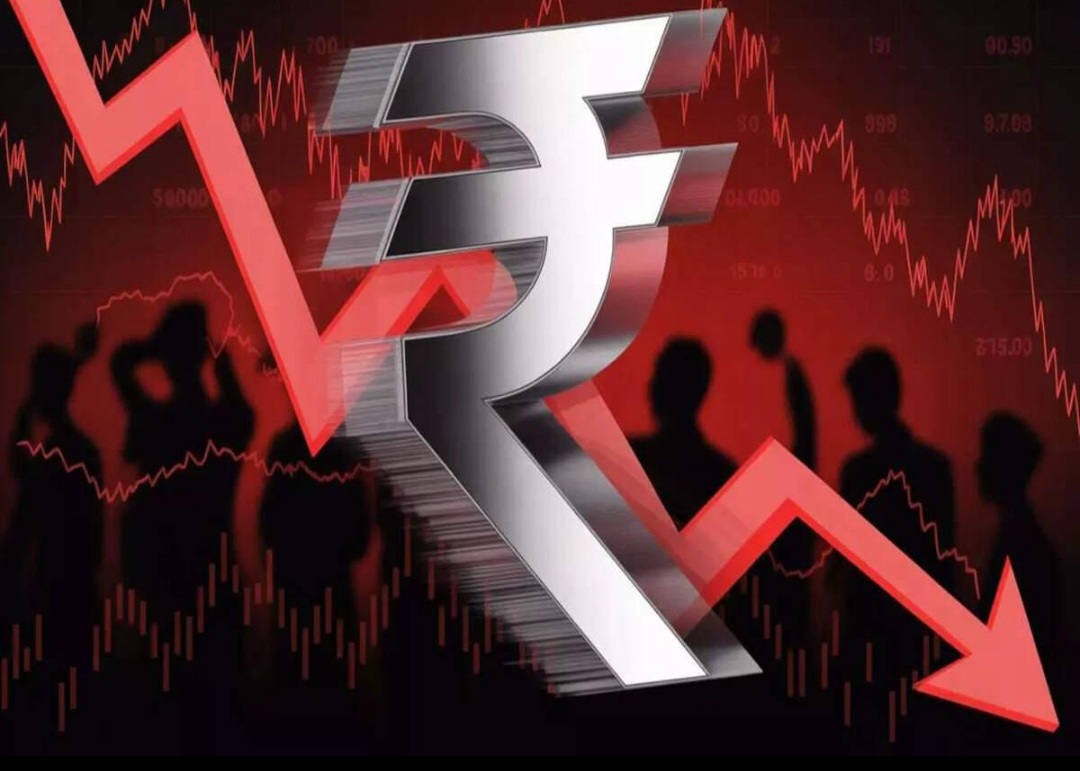
Economic mismanagement, political instability, and a mounting external debt burden have further crippled the nation. Despite repeated bailout packages from the International Monetary Fund, structural reforms remain elusive. Foreign reserves are under severe pressure, while the local currency continues to weaken, intensifying the cost-of-living crisis across urban and rural regions alike.
Adding to the turmoil, unemployment is rising at an alarming pace, with industries shutting down or scaling back operations. Analysts warn that without urgent and decisive reforms, Pakistan risks sliding deeper into an irreversible economic abyss. Public anger is also mounting, as citizens struggle to cope with worsening living conditions and shrinking economic opportunities.
With hunger now becoming a harsh reality for millions, Pakistan’s crisis is no longer just an economic issue—it is a growing human tragedy demanding immediate global attention.











Comments
Sign in with Google to comment.