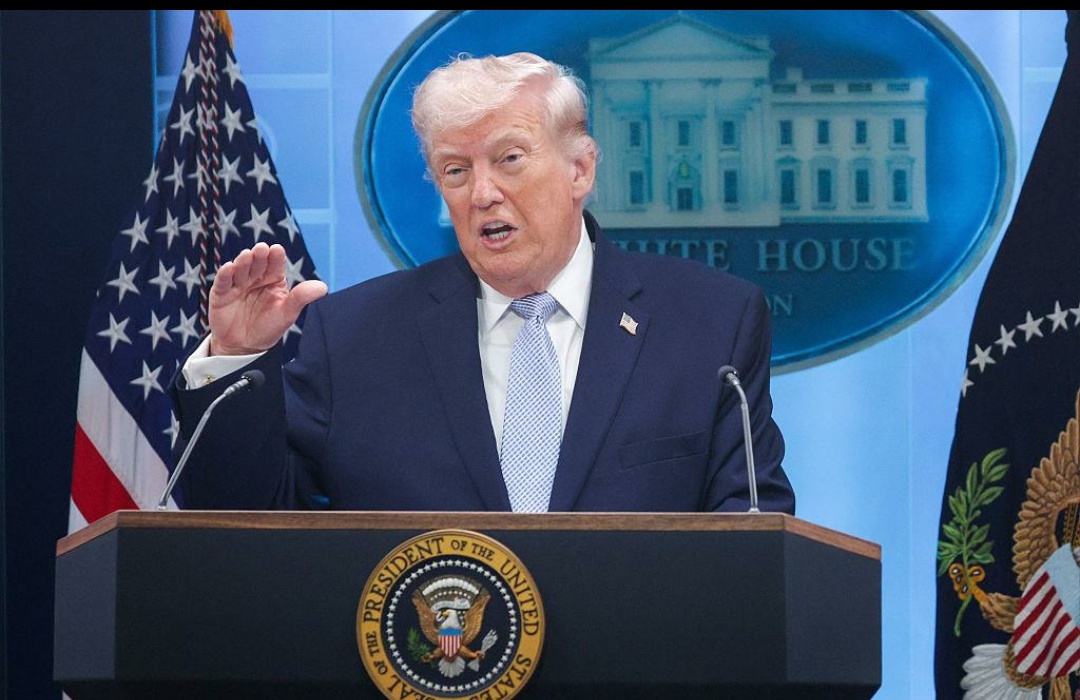
Dateline: Washington, April 29, 2026
U.S. President Donald Trump has rejected Iran’s latest peace proposal, dealing a fresh blow to diplomatic efforts aimed at ending the ongoing conflict. Officials indicate that Trump is unhappy with the framework put forward by Tehran, describing the country as still “figuring out its leadership,” a remark that underscores Washington’s doubts about Iran’s internal stability.
The proposed plan from Iran reportedly emphasized a phased approach—prioritizing a ceasefire and easing tensions in strategic waterways before addressing more contentious issues like its nuclear program. However, the United States has maintained that any meaningful agreement must directly tackle nuclear concerns at the outset, creating a sharp divide between both sides.
Diplomatic observers suggest that internal shifts within Iran’s leadership structure are complicating negotiations. Power dynamics in Tehran appear uncertain, with multiple factions influencing decision-making. This lack of clarity has made it difficult for international negotiators to engage with a consistent and authoritative voice from the Iranian side.
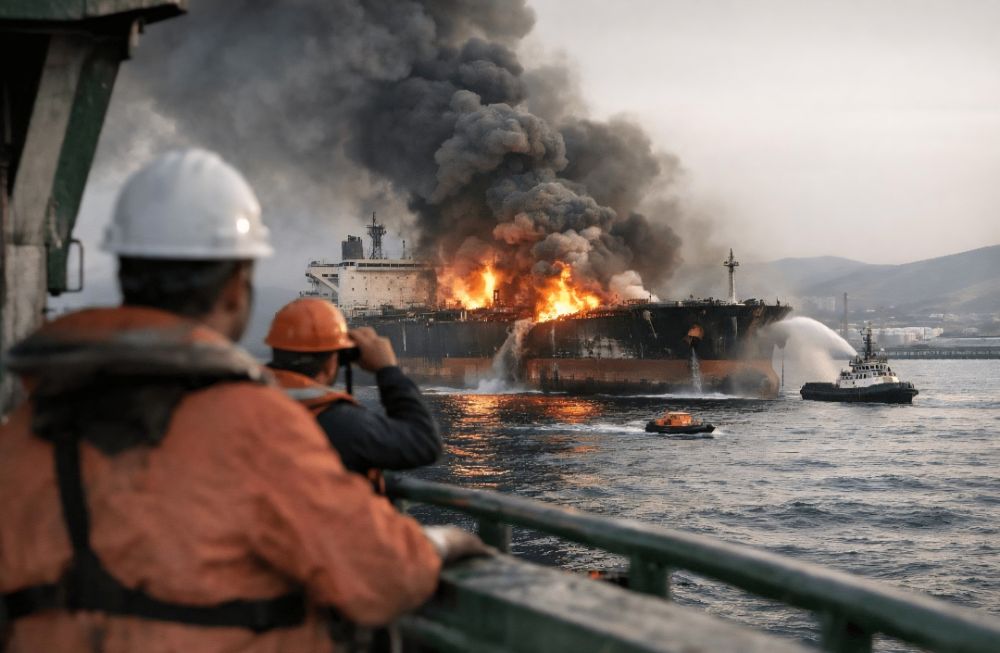
Tensions are further heightened by the situation in the Strait of Hormuz, a vital global oil transit route. Partial disruptions in the passage have already triggered concerns in energy markets, with fears that prolonged instability could impact global supply chains and push prices higher.
With both Washington and Tehran holding firm on their key demands, prospects for a near-term breakthrough remain uncertain. Diplomatic channels are still open, but the growing mistrust and strategic disagreements suggest that the path to de-escalation will be complex and prolonged.








Comments
Sign in with Google to comment.