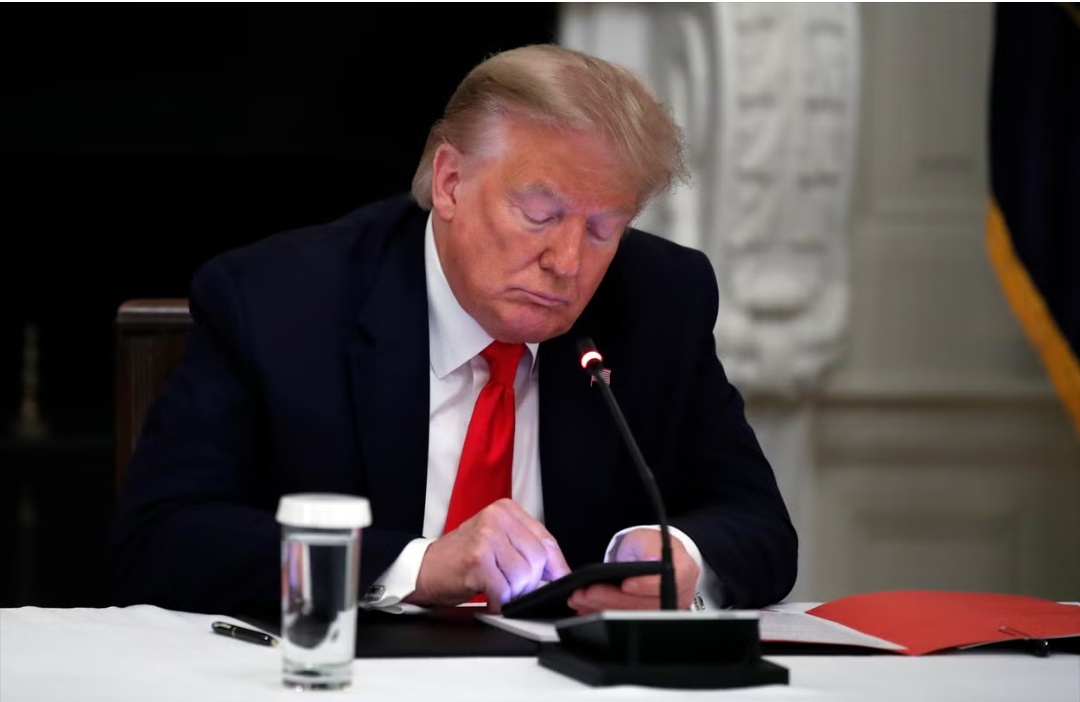
Washington/Tehran, April 28, 2026 U.S. President Donald Trump has issued a fiery ultimatum to Iran after the collapse of the second round of peace talks, dramatically escalating tensions in the Gulf. In a blunt message, Trump demanded that Tehran “call him directly” if it is serious about peace, while making it crystal clear that the United States will never allow Iran to develop nuclear weapons. Blaming Iran’s “stubborn and hostile stance” for derailing diplomacy, Trump warned that Tehran would pay a “heavy price” for defiance. The rhetoric quickly turned explosive.
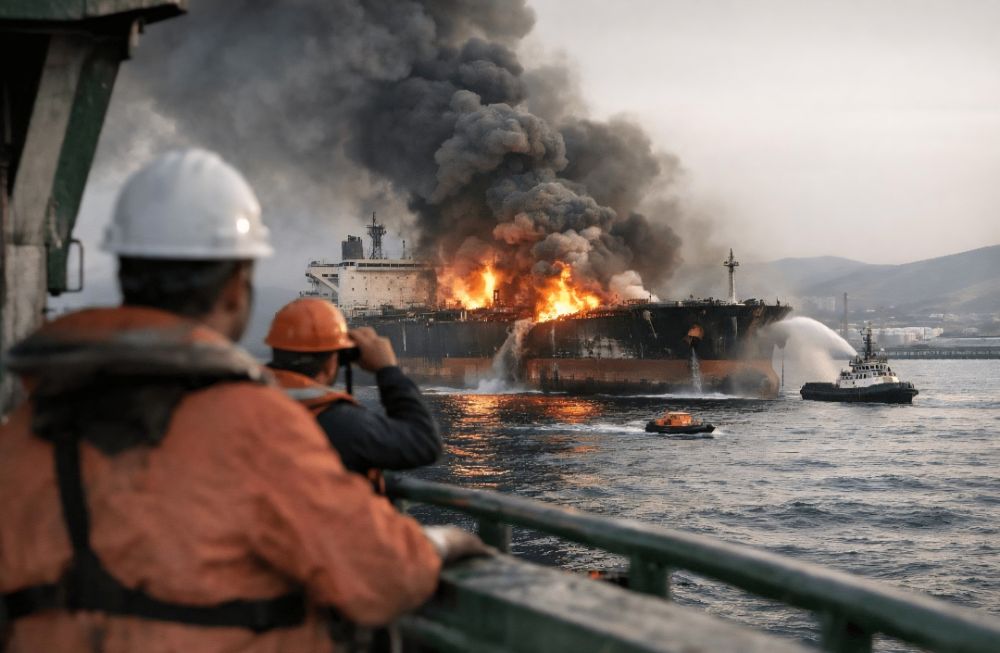
Reacting to Trump’s threat of targeting Iran’s oil infrastructure if no deal is reached within days, Iranian Vice President Ismail Saheb Isfahani fired back with a chilling counter-threat. He warned that any attack on Iran’s oil facilities would trigger retaliation “four times more destructive,” vowing to strike not just back—but harder. “If one Iranian oil well is hit, four will burn elsewhere,” he declared, openly threatening U.S.-allied assets across the Gulf.
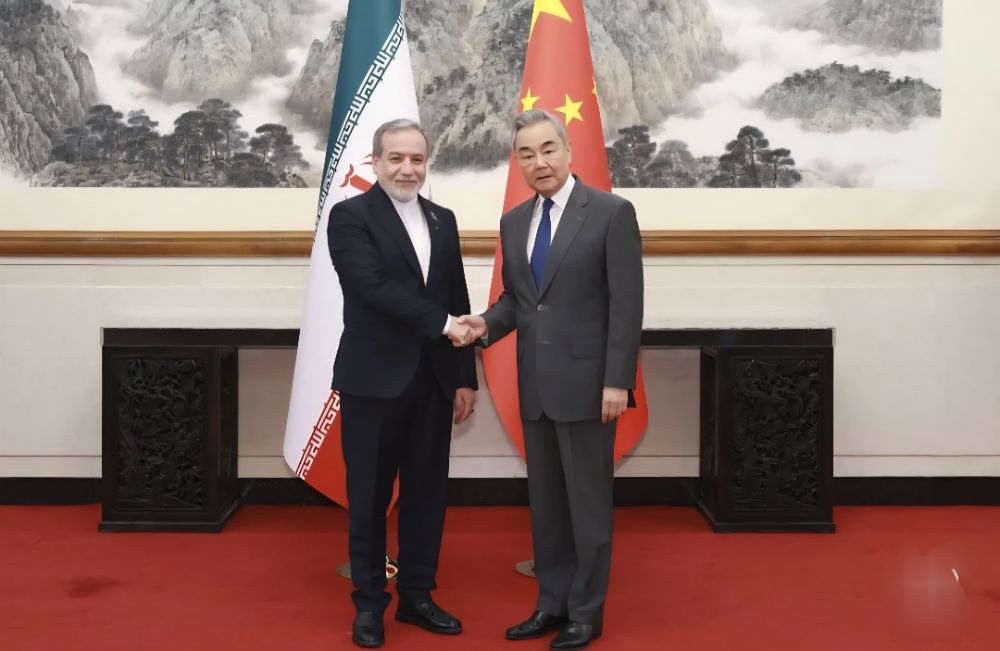
As war-like language intensifies, Iran is simultaneously moving fast on the diplomatic front. Foreign Minister Abbas Araghchi launched a whirlwind 24-hour diplomatic tour, rushing through Pakistan and Oman before heading straight to Moscow. In Islamabad, he held high-stakes talks with Prime Minister Shehbaz Sharif and Army Chief Asim Munir, signaling urgent regional coordination.
The most significant move came in Russia, where Araghchi met President Vladimir Putin in a development that is raising alarms in Washington. With Iran deepening ties with Moscow amid soaring tensions with the U.S., the geopolitical fault lines are hardening fast. The Gulf now stands dangerously close to a flashpoint, with threats, counter-threats, and military signals pushing the region toward a potential crisis.




Comments
Sign in with Google to comment.