Dateline: May 6, 2026
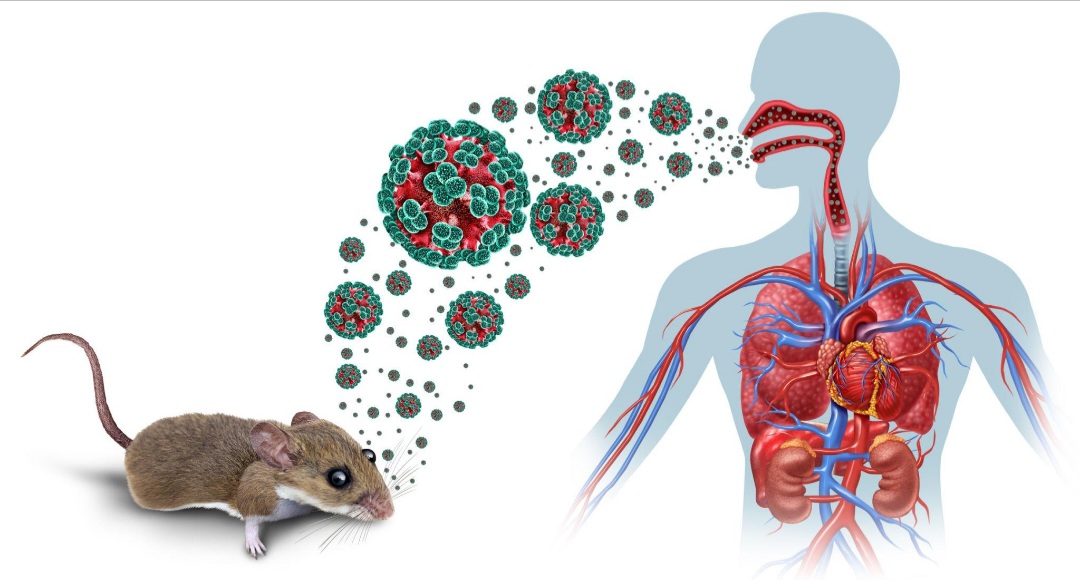
Hantavirus, a rare but potentially fatal virus, is once again drawing attention from health experts due to its severe impact on human health. Primarily spread by rodents, this virus can lead to serious respiratory illnesses, including Hantavirus Pulmonary Syndrome (HPS), which affects the lungs and can quickly turn life-threatening if not treated promptly.
The virus spreads through contact with infected rodent urine, droppings, or saliva. When these particles become airborne in enclosed or poorly ventilated spaces, humans can inhale them and become infected. Rural homes, storage areas, and places with rodent infestations are considered high-risk zones.
Unlike many viral infections, hantavirus does not commonly spread from person to person. Medical experts emphasize that most reported cases are linked directly to rodent exposure, making prevention largely dependent on maintaining hygiene and avoiding contact with contaminated areas.
Early symptoms often resemble common flu, including fever, fatigue, muscle aches, and headaches, making early detection difficult. However, the condition can escalate rapidly, leading to severe breathing difficulties, persistent coughing, and fluid accumulation in the lungs — hallmark signs of HPS.
There is currently no specific antiviral treatment for hantavirus. Severe cases often require hospitalization, oxygen therapy, and intensive care support. Given the high mortality rate in critical cases, early medical intervention and preventive measures remain crucial to saving lives.















Comments
Sign in with Google to comment.