New Delhi | August 18, 2026
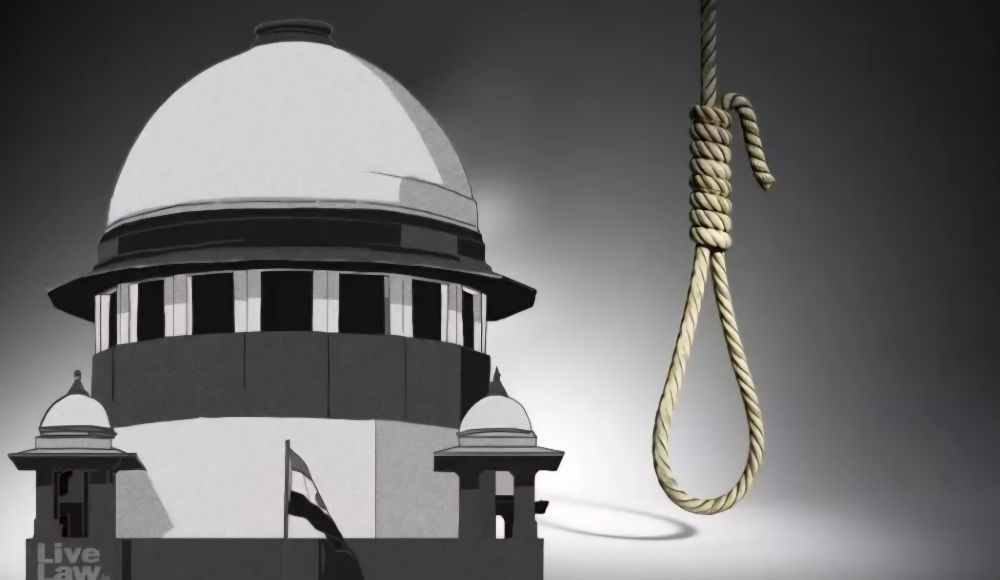
The Supreme Court on Tuesday dismissed a crucial plea challenging hanging as the method of executing death sentences in India, refusing to declare the practice unconstitutional. The verdict was delivered by a Bench comprising Justices Vikram Nath and Sandeep Mehta in the case Rishi Malhotra v. Union of India.
The petition had argued that hanging could involve prolonged pain and suffering and sought its replacement with alternative methods of execution. However, the Court made it clear that the dismissal does not shut the door on future constitutional scrutiny if compelling medical or scientific evidence emerges.
In a significant opening for change, the Supreme Court said the Union Government is free to undertake a comprehensive review of the existing execution method through an expert body and examine whether an alternative could better meet the constitutional objective of minimising pain and suffering while preserving dignity.
The case has reignited the intense debate over capital punishment, human dignity and the manner in which death sentences are carried out. For now, hanging remains the legally recognised method under the applicable criminal procedure, but the Centre has the freedom to explore whether scientific and technological developments justify a different approach.








Comments
Sign in with Google to comment.