Dateline: New Delhi | April 30, 2026
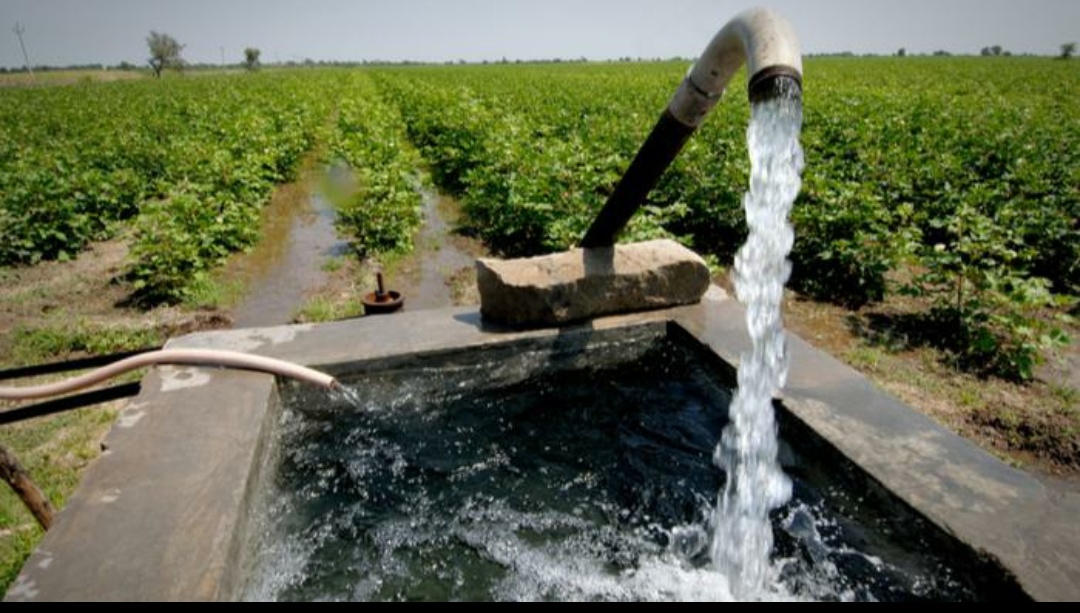
India’s rapid expansion of ethanol-blended fuel is triggering fresh concerns among environmental experts, who warn that the country’s energy ambitions may come at a steep ecological cost. Estimates indicate that producing a single litre of ethanol can require thousands of litres of water, raising serious questions in a nation already grappling with water scarcity
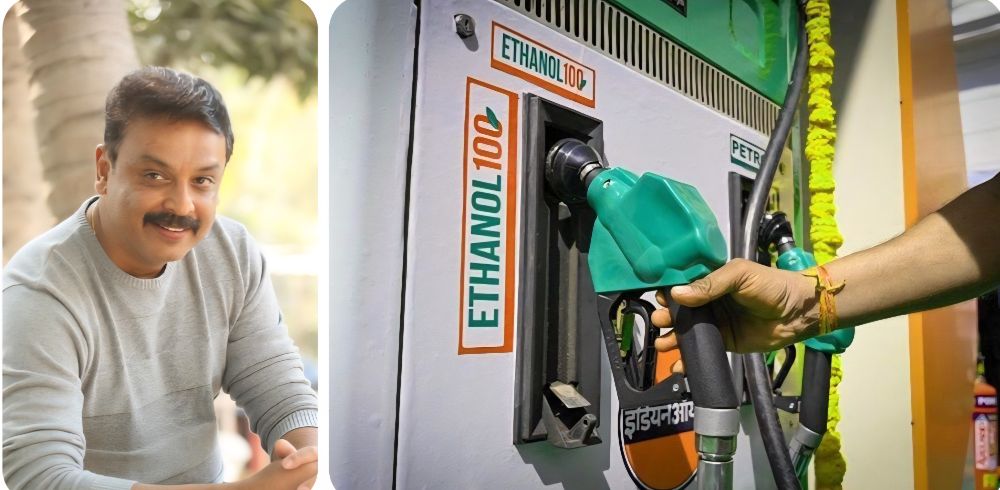
The ethanol program is a key part of India’s strategy to reduce crude oil imports and cut carbon emissions. By increasing the share of ethanol in petrol, policymakers aim to move toward cleaner fuel alternatives. However, much of the ethanol produced in India comes from sugarcane, a crop known for its heavy water consumption, putting additional stress on already depleted groundwater reserves.
Agricultural patterns are also shifting as farmers respond to financial incentives linked to ethanol production. Many are opting for sugarcane cultivation due to assured demand and better pricing. While this supports rural incomes, it may accelerate groundwater depletion and create long-term sustainability challenges, especially in drought-prone regions.
Environmental analysts argue that the benefits of ethanol blending must be weighed against its hidden environmental costs. They suggest scaling up production from less water-intensive sources such as crop residues and agricultural waste, which could reduce pressure on freshwater resources while still supporting clean energy goals.
As India moves closer to its ethanol blending targets, the debate is intensifying over balancing energy security with environmental protection. Experts stress that without careful resource management and policy adjustments, the push for biofuels could unintentionally worsen the country’s water crisis, making sustainability a critical concern for the future.












Comments
Sign in with Google to comment.