Dateline: Washington/Tehran – May 5, 2026
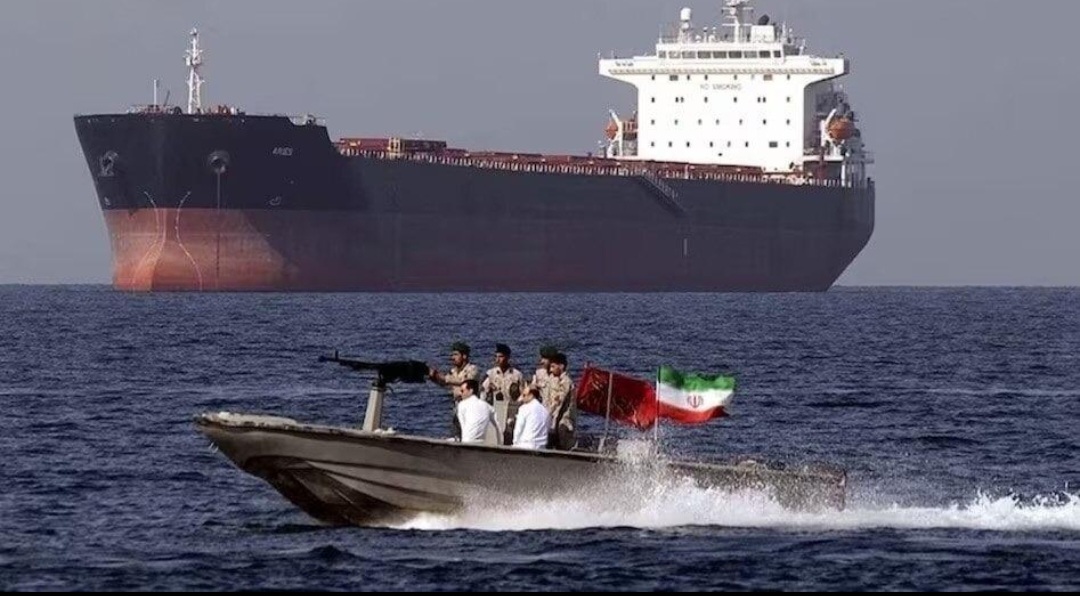
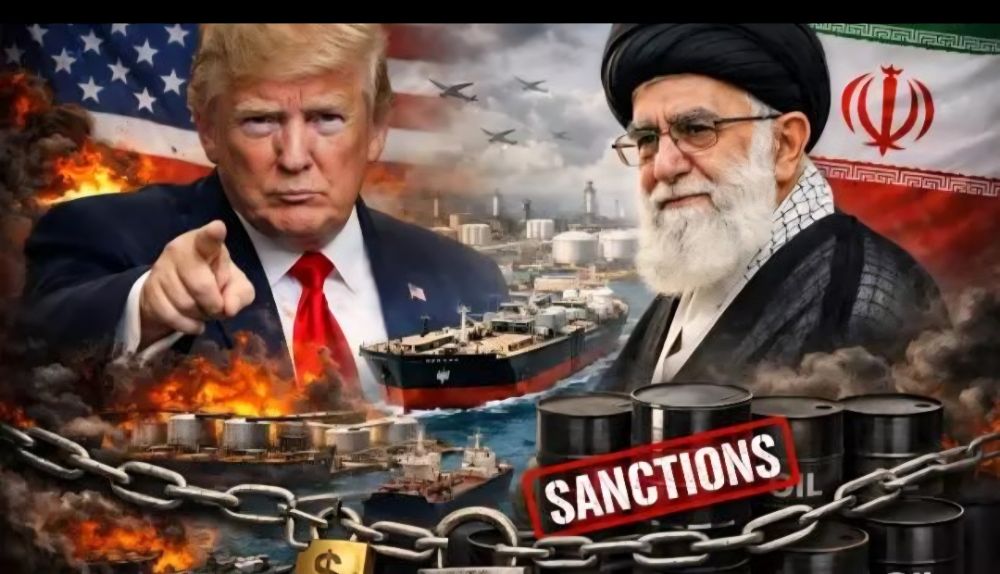
In a sharp escalation of tensions in West Asia, the United States has intensified efforts to reopen the strategic Strait of Hormuz, drawing a strong and aggressive response from Iran, which has declared the current situation “intolerable” under continued American pressure.
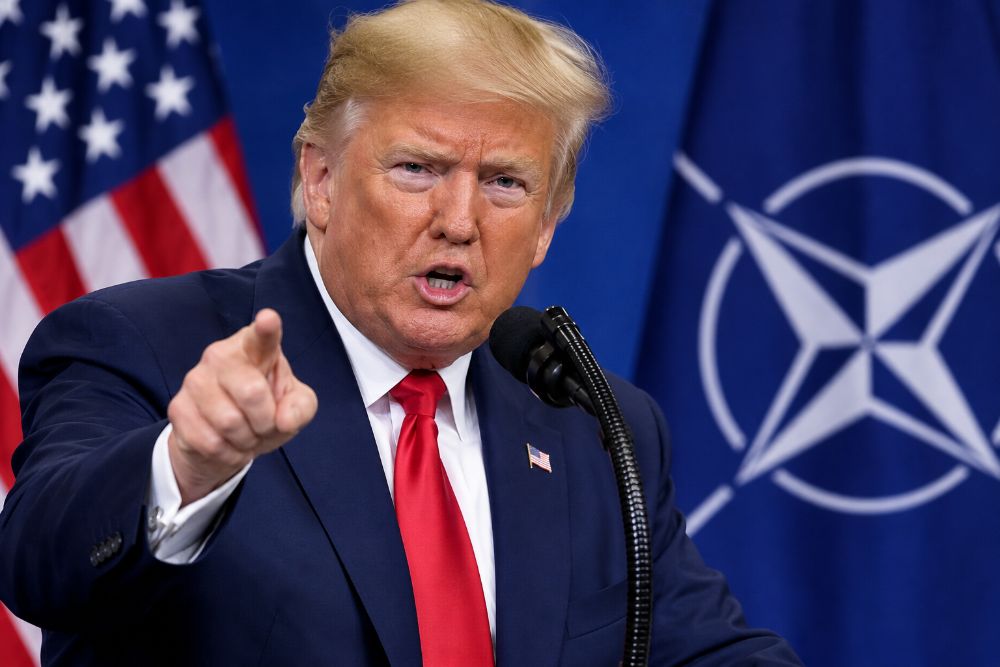
Washington is pushing forward with a naval-backed initiative to restore maritime traffic through the crucial oil corridor, through which a significant share of global crude supplies passes. The move is being projected as an effort to ensure freedom of navigation and prevent disruptions to international trade.
Tehran, however, has firmly rejected the US stance, warning that any unilateral attempt to control or reopen the strait without its consent will provoke retaliation. Iranian officials argue that continued US military presence and restrictions in the region amount to provocation and undermine regional stability.
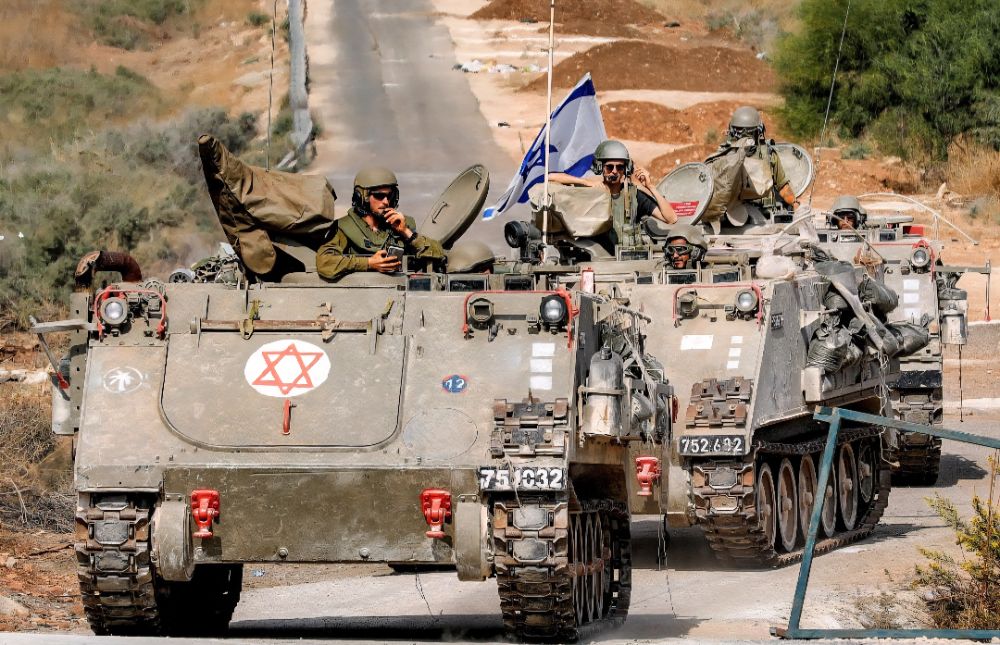
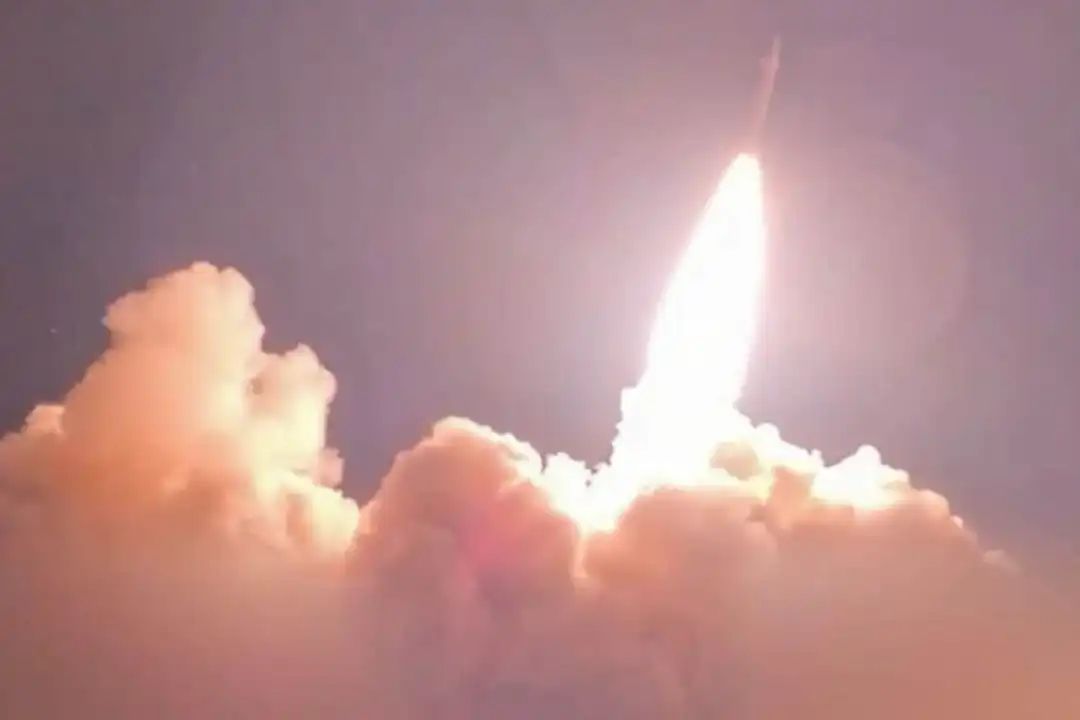
The situation on the ground remains tense, with reports of increased military activity across the Gulf waters. Both sides are signaling readiness, raising concerns of a direct confrontation that could spiral into a broader regional conflict.
Global markets are closely watching developments, as any disruption in the Strait of Hormuz has immediate implications for oil prices and energy security worldwideVe. Analysts warn that prolonged instability could trigger supply shocks affecting multiple economies.
With diplomatic channels showing little progress, the standoff between the United States and Iran is fast turning into a high-stakes geopolitical flashpoint, with the potential to reshape power dynamics in the region.







Comments
Sign in with Google to comment.