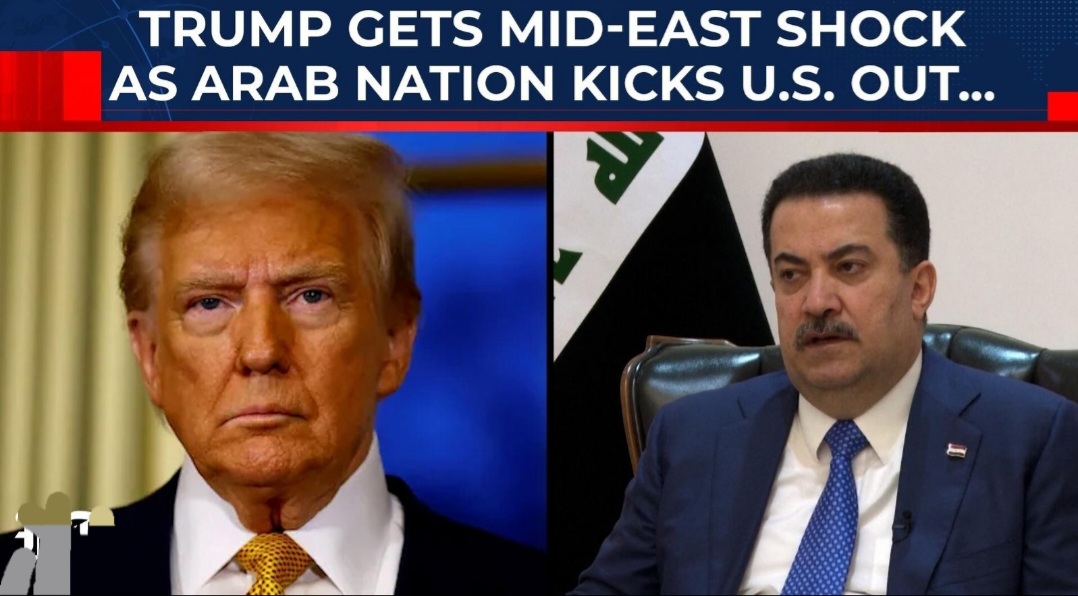
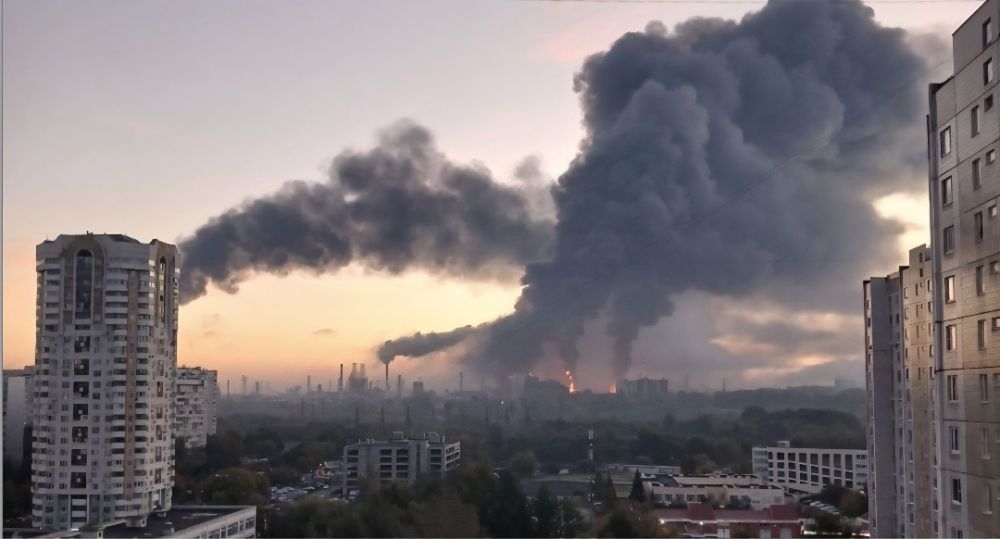
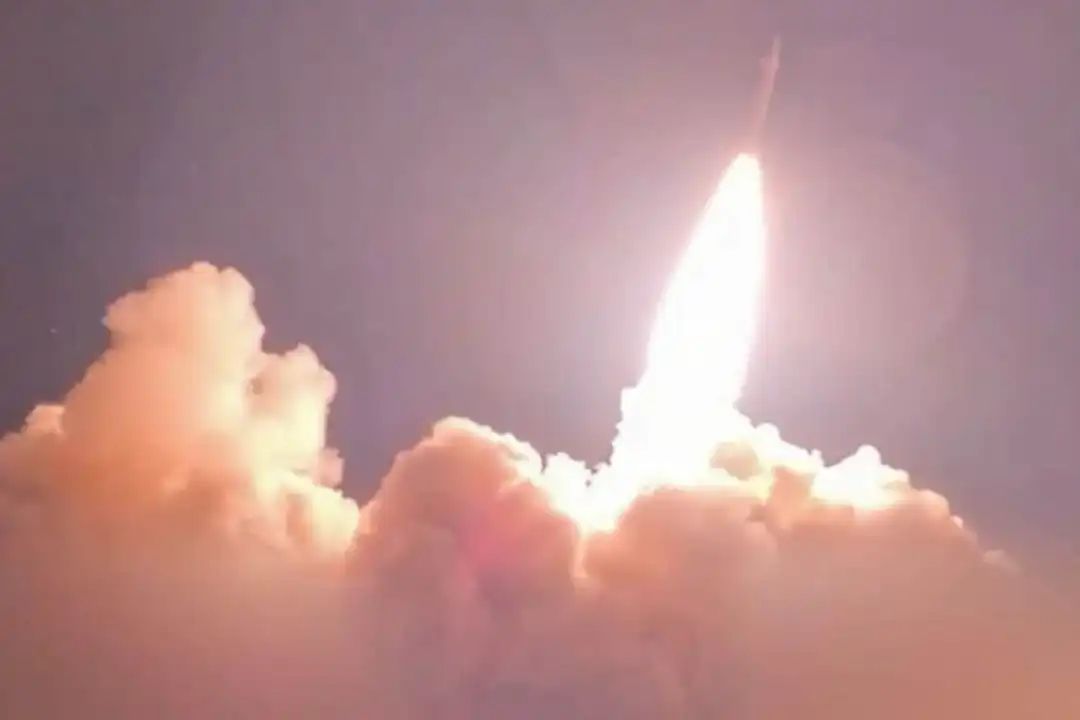
Fresh American strikes on Iranian targets have pushed the Middle East closer to a wider conflict, even as diplomatic talks aimed at ending months of violence continue behind closed doors. The latest attacks reportedly targeted boats allegedly laying naval mines in the Gulf and missile launch facilities in southern Iran, triggering another wave of military escalation across the region.
Washington claimed the operation was necessary to protect international shipping routes and prevent threats near the strategically crucial Strait of Hormuz. The attacks came at a time when Iran and the United States were engaged in sensitive negotiations in Qatar over reopening maritime routes and limiting Tehran’s nuclear activities.
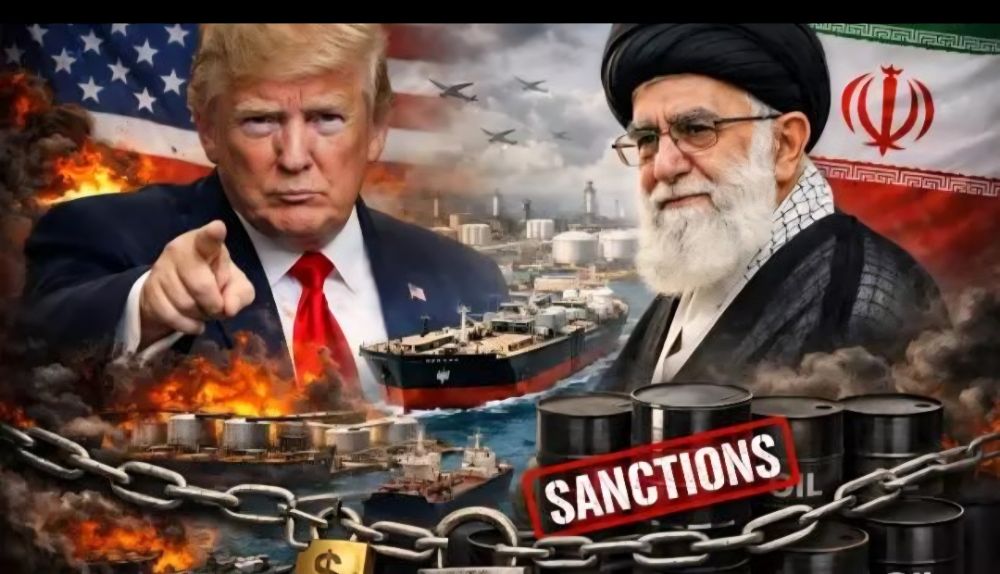
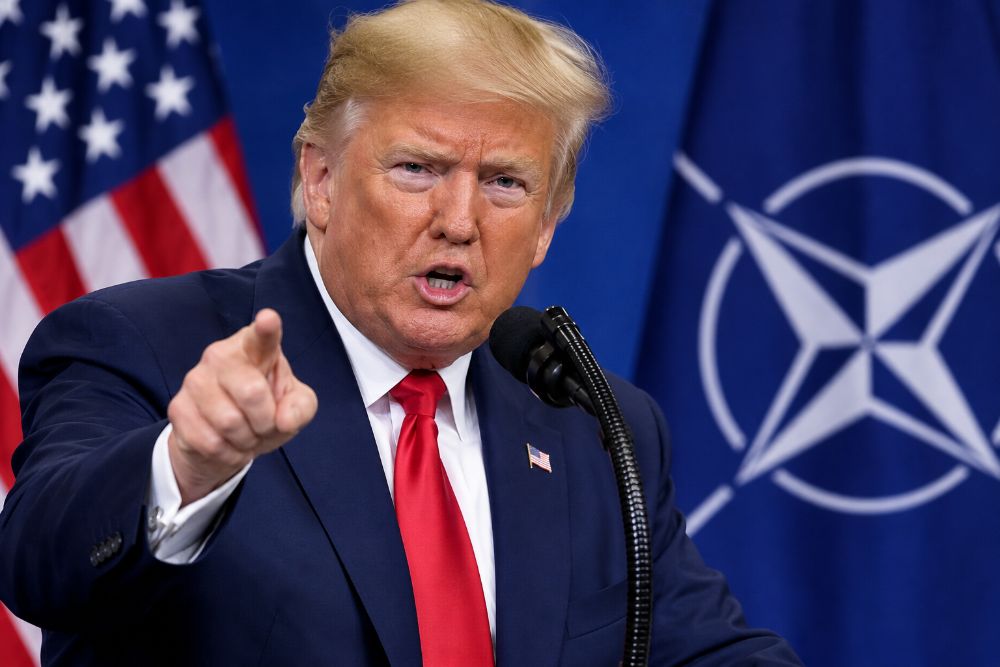
US President Donald Trump said discussions were “moving in a positive direction” but warned that America was prepared to take “stronger action” if negotiations failed. His remarks signaled that diplomacy and military pressure are now moving side by side in Washington’s strategy toward Iran.
Iran responded defiantly, announcing that its forces had successfully shot down a stealth drone belonging to an “enemy nation” using a newly deployed air defense system. Tehran described the interception as proof that it is fully prepared for any future confrontation in the Gulf region.
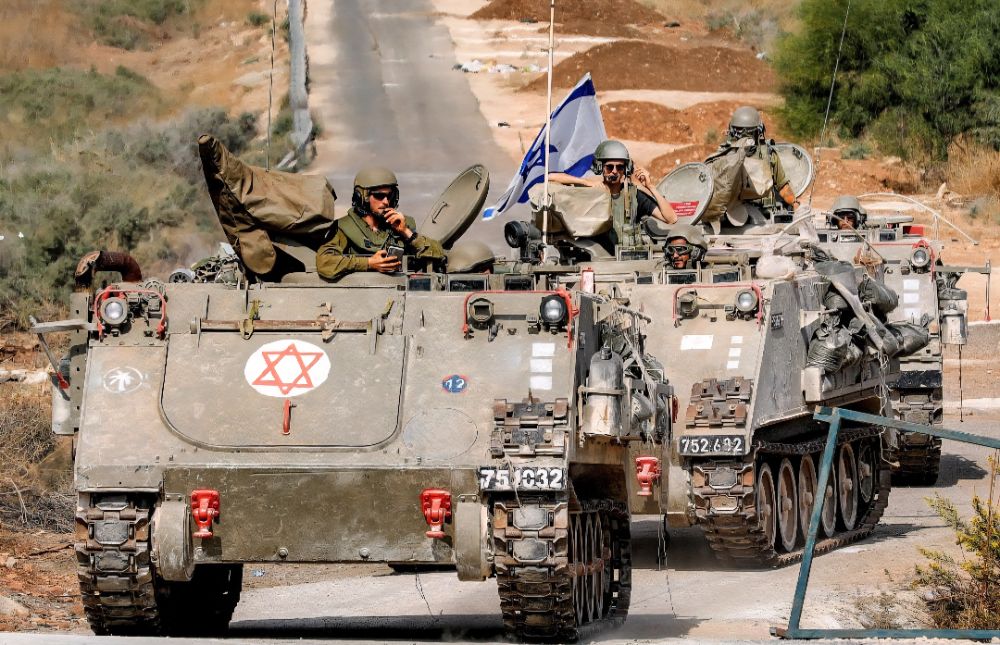
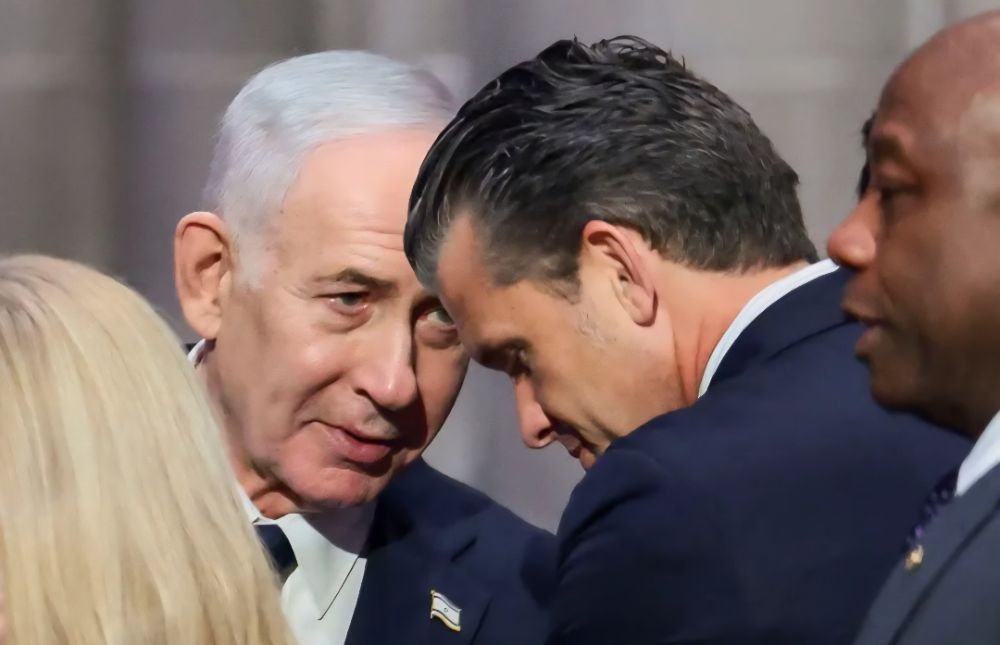
Meanwhile, the crisis widened further after Israeli Prime Minister Benjamin Netanyahu vowed to intensify strikes against Hezbollah positions in Lebanon. His warning has raised fears that the conflict could rapidly spread beyond Iran and Israel, dragging multiple regional powers into direct confrontation.
With warplanes flying, missiles on alert, and diplomacy hanging by a thread, the Middle East now stands on the edge of another dangerous escalation. Global markets, oil routes, and international security agencies are closely watching every move as fears of a broader regional war continue to grow.



Comments
Sign in with Google to comment.