Washington / Tehran – April 4, 2026
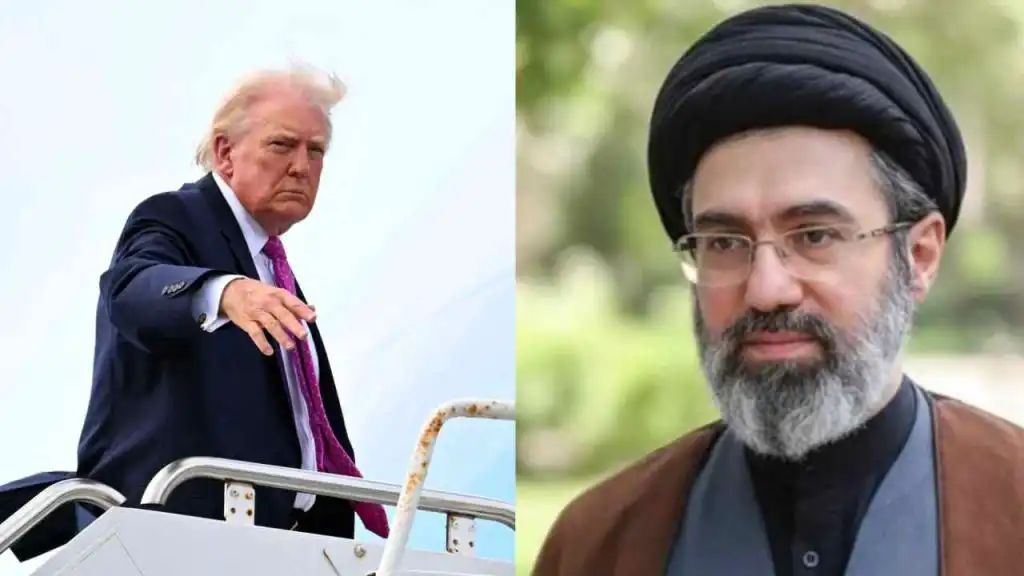
The standoff between the United States and Iran has intensified after U.S. President Donald Trump renewed his sharp warning to Tehran, giving a final 48-hour window for compliance. The warning comes despite the fact that more than eight days have already passed since the initial timeline was set, raising questions over shifting deadlines and growing urgency from Washington. According to officials, the U.S. is pressing Iran to de-escalate tensions and ensure stability in key maritime routes, particularly the Strait of Hormuz. Trump has made it clear that failure to respond within the latest timeframe could lead to strong military consequences.
Rising Tensions on Ground
Recent developments indicate a sharp deterioration in the situation:
Increased military activity in the region Reports of direct confrontations involving U.S. assets Continued uncertainty over Iran’s next move
Despite diplomatic backchannels reportedly remaining open, no visible breakthrough has emerged so far. Deadline Confusion Adds Pressure While the U.S. initially indicated a longer window for Iran to respond, the repeated emphasis on a “48-hour ultimatum” has added to confusion. Analysts believe the messaging is aimed at increasing psychological and strategic pressure rather than marking a fixed cutoff.
Global Concerns Grow
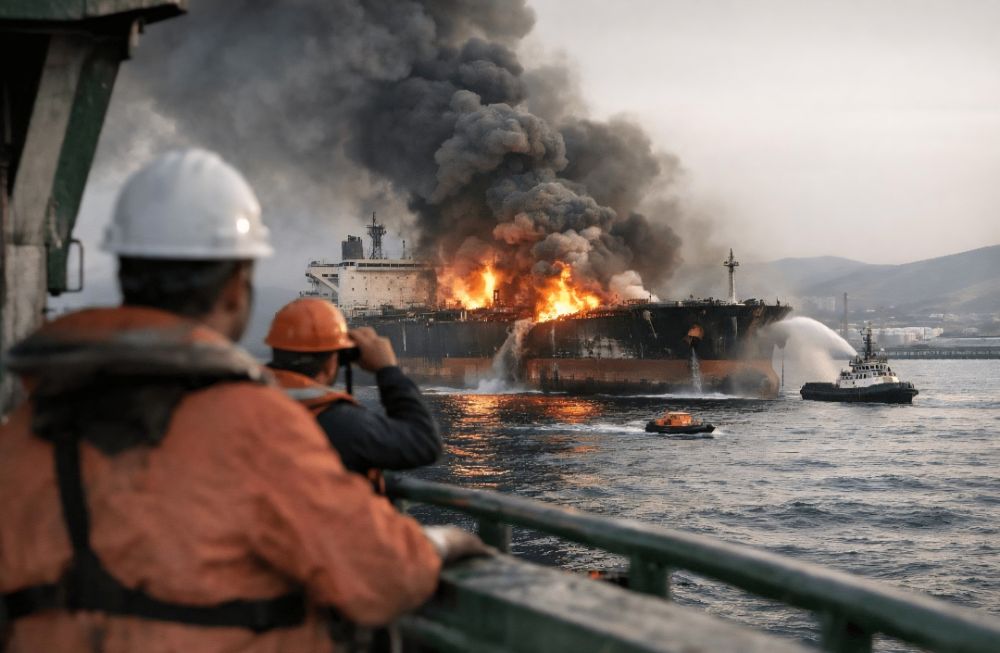
The ongoing crisis is drawing worldwide attention due to its potential impact: النفط (oil) supply disruptions through the Gulf route Increased volatility in global energy markets Risk of a broader conflict in West Asia
Outlook
With the clock ticking on the latest warning, the situation remains highly volatile. Whether the next 48 hours bring diplomatic movement or further escalation could shape the course of the conflict in the coming days.











Comments
Sign in with Google to comment.