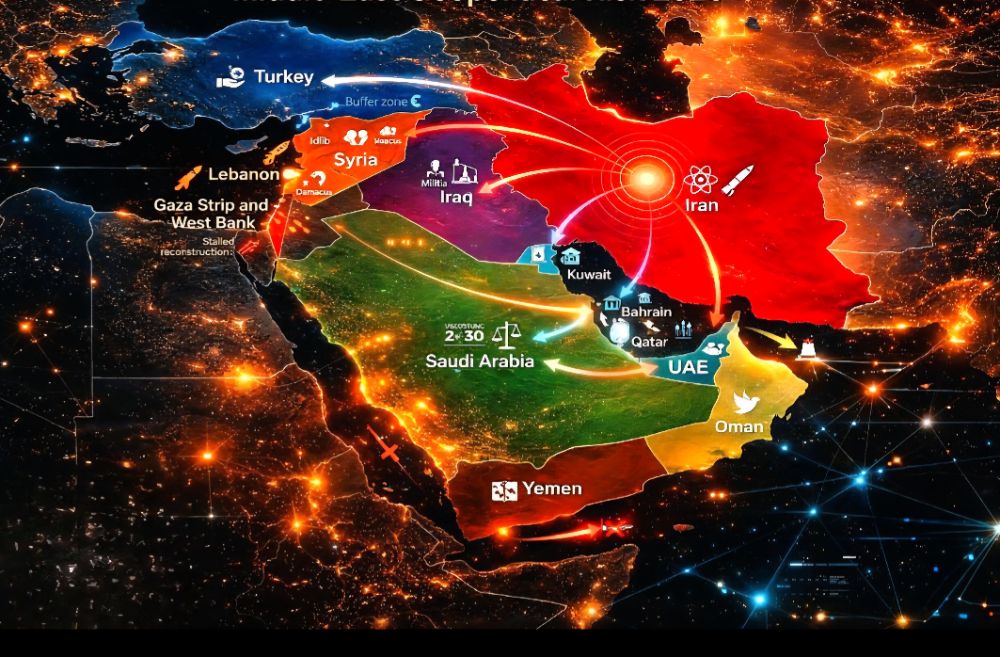
The situation in the Middle East has once again been engulfed by the clouds of war. With U.S. President Donald Trump announcing the end of the temporary peace agreement reached in June 2026, tensions between the U.S. and Iran have suddenly flared up. Both sides have engaged in mutual airstrikes and missile attacks, turning the Gulf region into a battlefield.
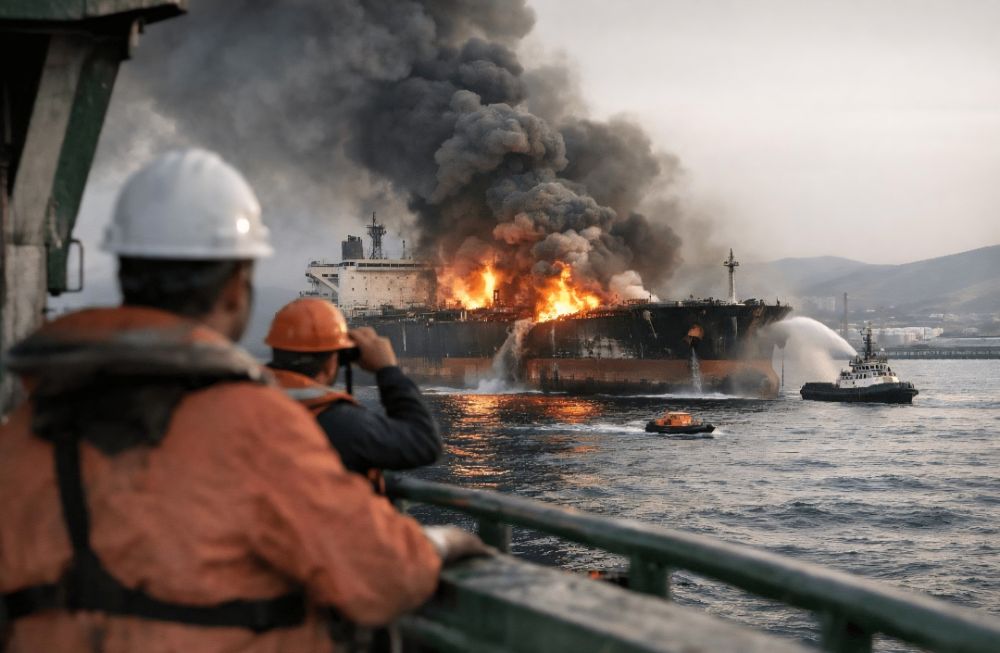
Iran's closure of the Strait of Hormuz, considered a key gateway for international oil transportation, has sent shockwaves across the world. Since a significant portion of global oil supply passes through this route, this decision is likely to have severe repercussions on the world economy. With U.S. warships and the Iranian navy heavily deployed in the Gulf waters, tensions have further escalated.
As U.S. strikes on Iranian military bases continue, international media reports indicate that Iran has launched missile attacks targeting bases of U.S. allies in retaliation. The roar of warplanes in the skies and the movements of warships at sea have once again plunged the Middle East into a state of war anxiety.
Experts warn that if this crisis deepens, there could be a significant spike in oil prices, turmoil in global markets, and severe impacts on countries like India that rely on fuel imports. The entire world is now anxiously watching the Strait of Hormuz.











Comments
Sign in with Google to comment.