Madrid/Rome/Washington, March 31, 2026 —
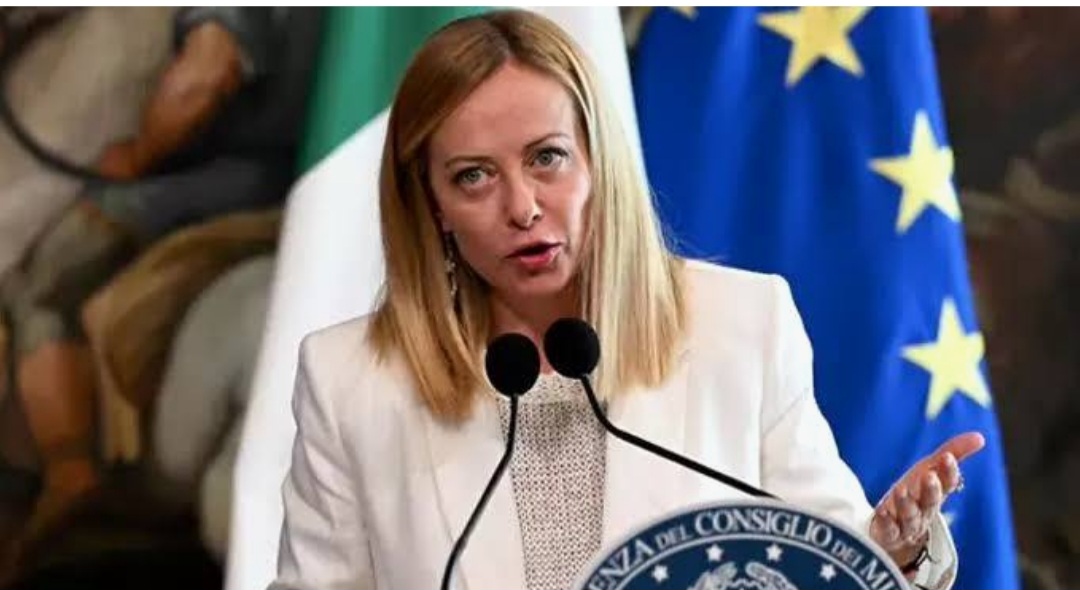
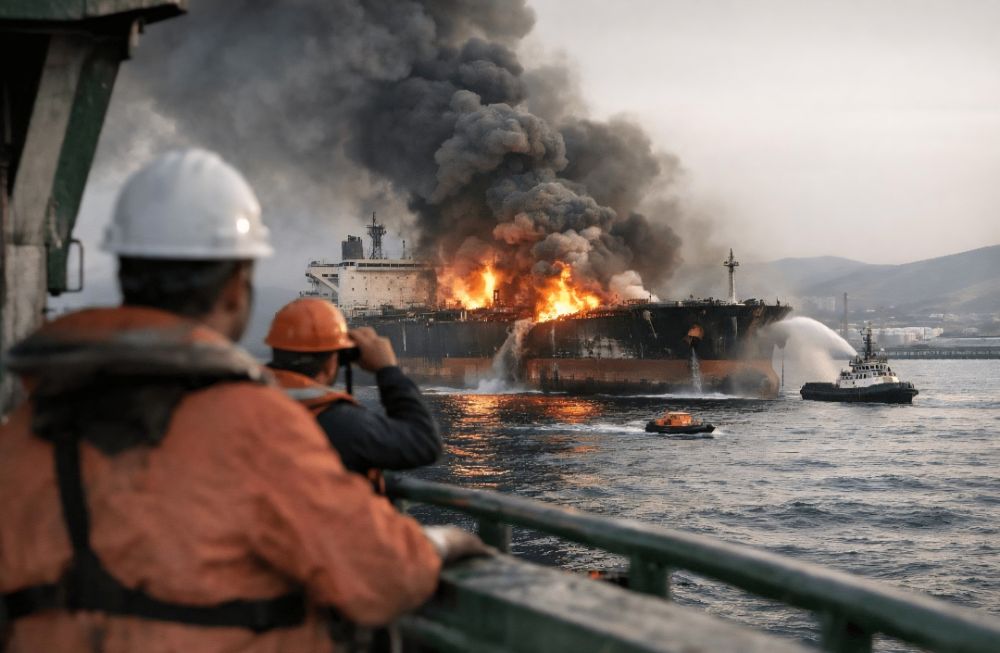
Opposition is growing within Europe as Donald Trump faces resistance from key allies over his administration’s military stance on Iran. Countries like Spain and Italy have openly distanced themselves, signaling a widening rift in Western unity. Europe Questions Legality and Strategy Spanish Prime Minister Pedro Sánchez has taken a firm position against the conflict, raising concerns about international law and the lack of multilateral consensus. Madrid has emphasized that it will not support actions that could escalate tensions in the Middle East without broader global backing. Similarly, Italian Prime Minister Giorgia Meloni has indicated that Rome will avoid direct military involvement. Italy’s stance reflects both constitutional limits and growing domestic unease over participation in another overseas conflict.
Military Restrictions Signal Strong Opposition
Both nations have reportedly imposed restrictions on the use of their territory and infrastructure for operations linked to the Iran conflict. These decisions are being viewed as a clear message that major European partners are unwilling to align fully with Washington’s current approach. Analysts say such moves highlight concerns over unilateral decision-making and the risks of being drawn into a prolonged and unpredictable war. Economic and Political Pressures Mount Beyond legal and strategic concerns, economic risks are also shaping Europe’s response. Leaders in Spain and Italy fear that escalating tensions could disrupt global oil supplies, increase fuel prices, and strain already fragile economies. Public sentiment has also played a crucial role. Anti-war voices are growing louder across Europe, putting additional pressure on governments to maintain distance from the conflict.
Strains Within Western Alliance
The differing positions between the United States and its European allies point to deeper fractures within traditional alliances. Critics argue that the current situation reflects a lack of coordination and trust, which could have long-term implications for global diplomacy.
Conclusion
BnSpain and Italy’s resistance underscores a broader hesitation in Europe to support the Iran war strategy led by Donald Trump. With legal, economic, and political concerns at the forefront, their stance highlights an increasingly divided Western front at a critical moment in global affairs.






Comments
Sign in with Google to comment.