April 18, 2026 |
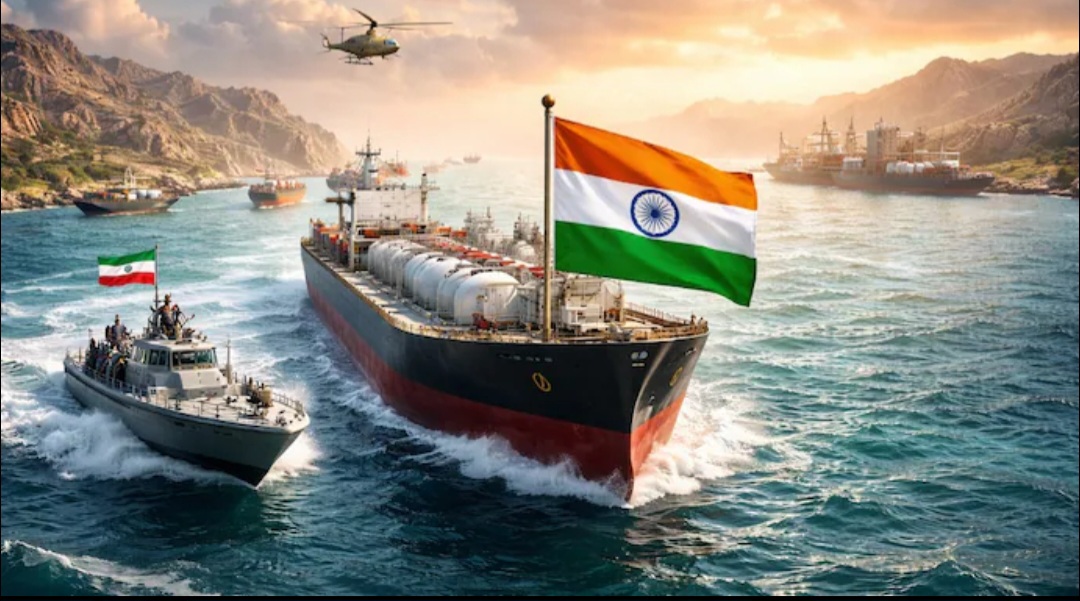
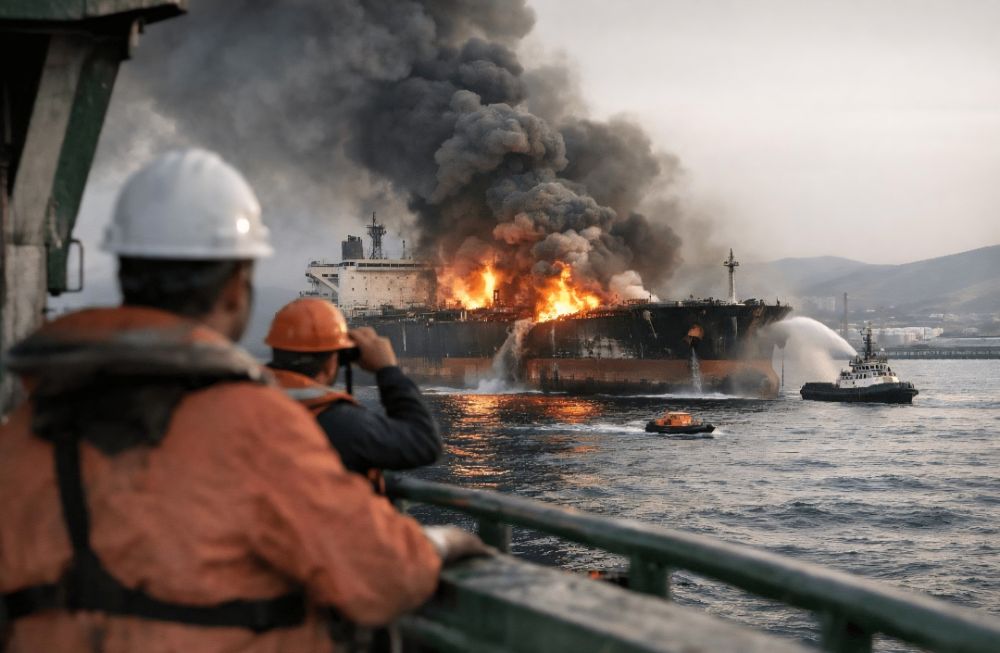
Strait of Hormuz In a dramatic escalation in the volatile waters of the Strait of Hormuz, two vessels—including an Indian-flagged supertanker—were forced to retreat after being aggressively intercepted by naval units of the Islamic Revolutionary Guard Corps (IRGC) on Saturday. The confrontation has once again exposed the fragility of one of the world’s most critical oil transit chokepoints.
According to maritime watchdog TankerTrackers, the IRGC deployed armed gunboats that reportedly fired shots during the encounter, compelling the ships to reverse course westward. Audio recordings cited by the group suggest a clear show of force, raising alarms about the increasing militarization of commercial shipping lanes in the region.
One of the targeted vessels was identified as a very large crude carrier transporting nearly two million barrels of Iraqi oil, underscoring the high stakes involved. The aggressive interception not only disrupted the vessel’s journey but also sent shockwaves through global energy markets already on edge due to geopolitical instability.
Adding to the chaos, Reuters reported that several merchant ships in the area received alarming radio messages claiming the Strait had been “shut” and that no vessels were permitted to pass. While the authenticity of these warnings remains unclear, their impact was immediate—triggering confusion, fear, and potential rerouting of critical oil shipments.
The incident comes at a time when India continues to import Iranian crude despite mounting tensions. Critics argue this exposes India to geopolitical risks, with TankerTrackers sharply remarking, “With friends like these.” As the situation intensifies, the Strait of Hormuz once again stands at the center of a dangerous power play that could have far-reaching global consequences.







Comments
Sign in with Google to comment.