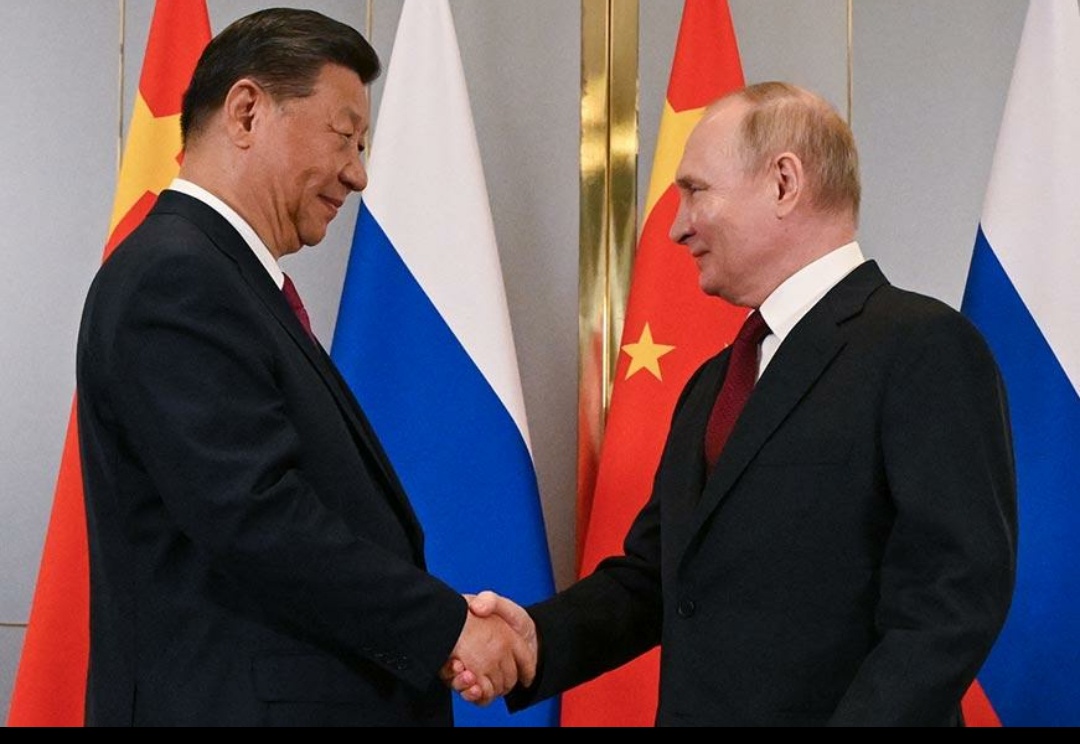
Russian President Vladimir Putin’s upcoming visit to China is being closely watched by global observers, with energy security, expanding trade ties, and shifting geopolitical alignments emerging as the three key drivers behind the engagement. The meeting is expected to deepen already growing cooperation between Moscow and Beijing at a time of global economic fragmentation.
Energy remains the cornerstone of the Russia–China relationship. With Western sanctions limiting Russia’s traditional export markets, Moscow has increasingly turned to China as a major buyer of crude oil, natural gas, and coal. Projects like the Power of Siberia pipeline highlight how energy exports are being redirected eastward, strengthening long-term interdependence between the two countries.
Trade expansion is another major focus of the visit. Bilateral trade has surged in recent years, driven by China’s demand for Russian raw materials and Russia’s need for Chinese manufactured goods, machinery, and technology. Both sides are expected to explore ways to settle more transactions in local currencies, reducing reliance on the US dollar and improving financial resilience
The third driver is geopolitical alignment amid rising global tensions. As Russia faces continued pressure from Western nations over the Ukraine conflict, China has positioned itself as a key strategic partner.
The discussions are likely to emphasize coordination on global governance, security frameworks, and regional stability, signaling a shared interest in counterbalancing Western influence. Overall, the visit underscores a deepening partnership shaped by necessity and opportunity. While energy and trade form the economic backbone, the broader geopolitical context is pushing both nations toward closer coordination on the world stage.











Comments
Sign in with Google to comment.