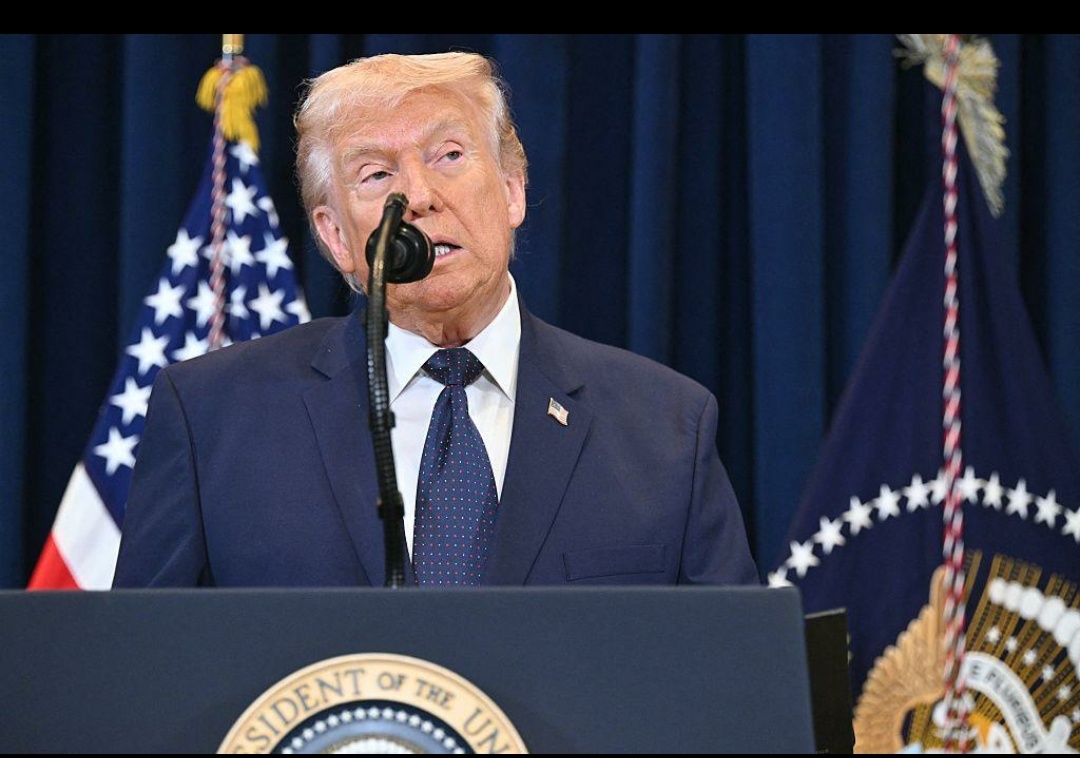
Tensions in the Middle East have escalated sharply after Iran warned that it will “open new fronts” against the United States if any fresh military attacks are launched against its territory. Iranian military officials said the country is prepared to respond with new strategies and weapons, signaling that the conflict could spread far beyond Iran’s borders
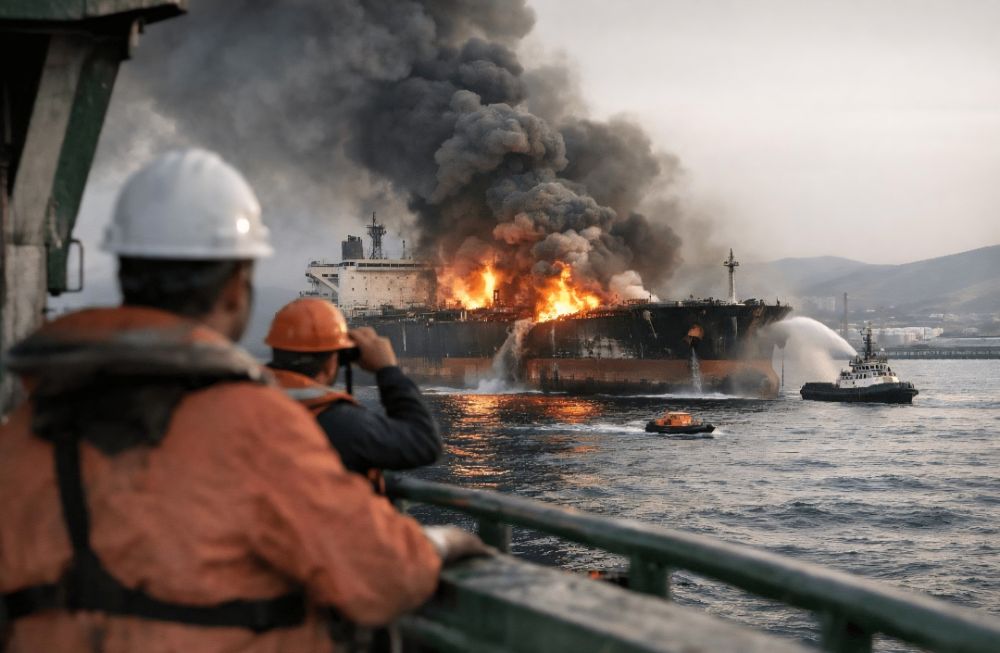
. The warning has raised concerns about the security of two of the world’s most important maritime chokepoints — the Strait of Hormuz and the Bab el-Mandeb Strait. Analysts believe Iran-backed Houthi rebels in Yemen could intensify attacks in the Bab el-Mandeb Strait, a vital shipping lane linking the Red Sea to the Gulf of Aden and a key route for global oil and cargo shipments.
Any disruption in these waterways could have major consequences for international energy markets. Saudi Arabia has increasingly relied on alternative export routes to reduce dependence on the Strait of Hormuz, but instability in Bab el-Mandeb would still threaten the movement of oil to Europe and other global markets. This could trigger another spike in crude oil prices and transportation costs worldwide.
US President Donald Trump said Washington has paused plans for further military action for now, but warned that the United States remains ready to strike if Iran or its allies target American interests in the region. The exchange of threats has heightened fears of a broader regional war involving multiple countries and proxy groups.
Global leaders are closely monitoring the situation, as any escalation could affect not only regional stability but also the world economy. With tensions centered around critical energy corridors, the standoff between Iran and the United States is once again putting global oil supplies and shipping routes at risk.











Comments
Sign in with Google to comment.