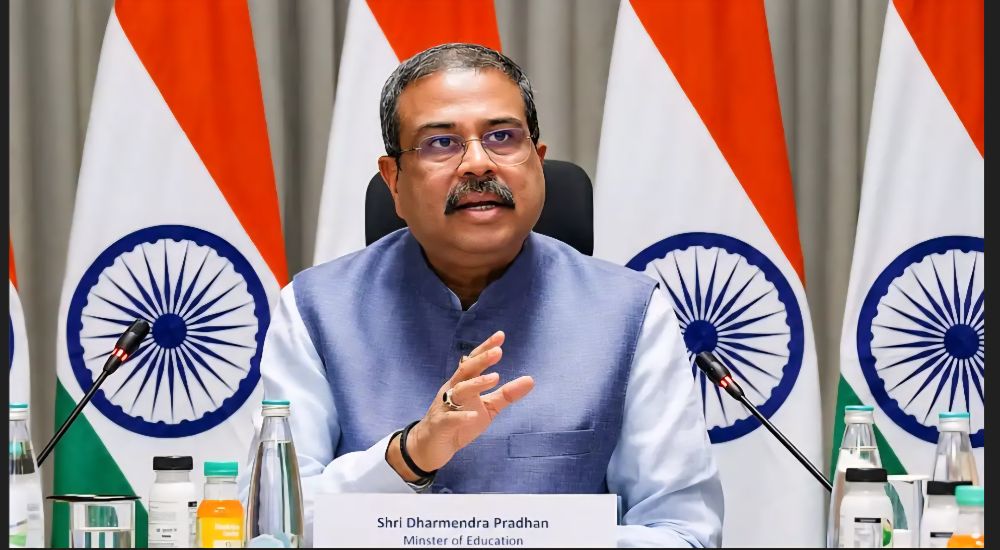
New Delhi: The resignation of Union Education Minister Dharmendra Pradhan has become one of the biggest political talking points in the country. Coming amid widespread criticism over the handling of national examinations and student unrest, the move has raised an important question: was it an act of accountability or a well-planned political strategy?
Political analysts believe the resignation could help the government draw a line under a controversy that has dominated headlines for weeks. By accepting responsibility at the ministerial level, the Centre may be attempting to restore public confidence while shifting focus toward reforms in the education system.
The development has also intensified speculation about a possible cabinet reshuffle and a fresh approach to education policy. While no official announcement has been made regarding Pradhan's successor, political circles expect changes aimed at addressing concerns over examination management and transparency.
Opposition parties have described the resignation as the result of sustained pressure from students and public opinion. Meanwhile, leaders from the ruling alliance have projected the move as an example of political accountability and responsible governance.
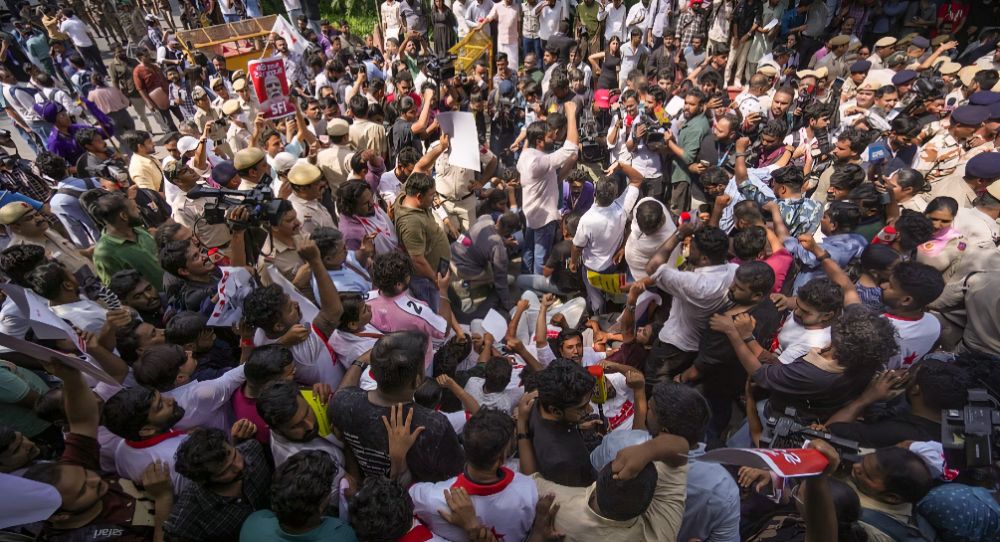
Student organisations have welcomed the development but insist that leadership changes alone are not enough. They continue to demand stronger safeguards against examination irregularities, greater transparency in recruitment processes, and long-term reforms to restore trust in the education system.
Whether the resignation proves to be a genuine course correction or a calculated political reset will depend on the government's next steps. For now, it marks a significant moment in India's political landscape and underscores the growing influence of student voices in national policymaking.







Comments
Sign in with Google to comment.