Middle East | March 27, 2026 News Report: by AMN
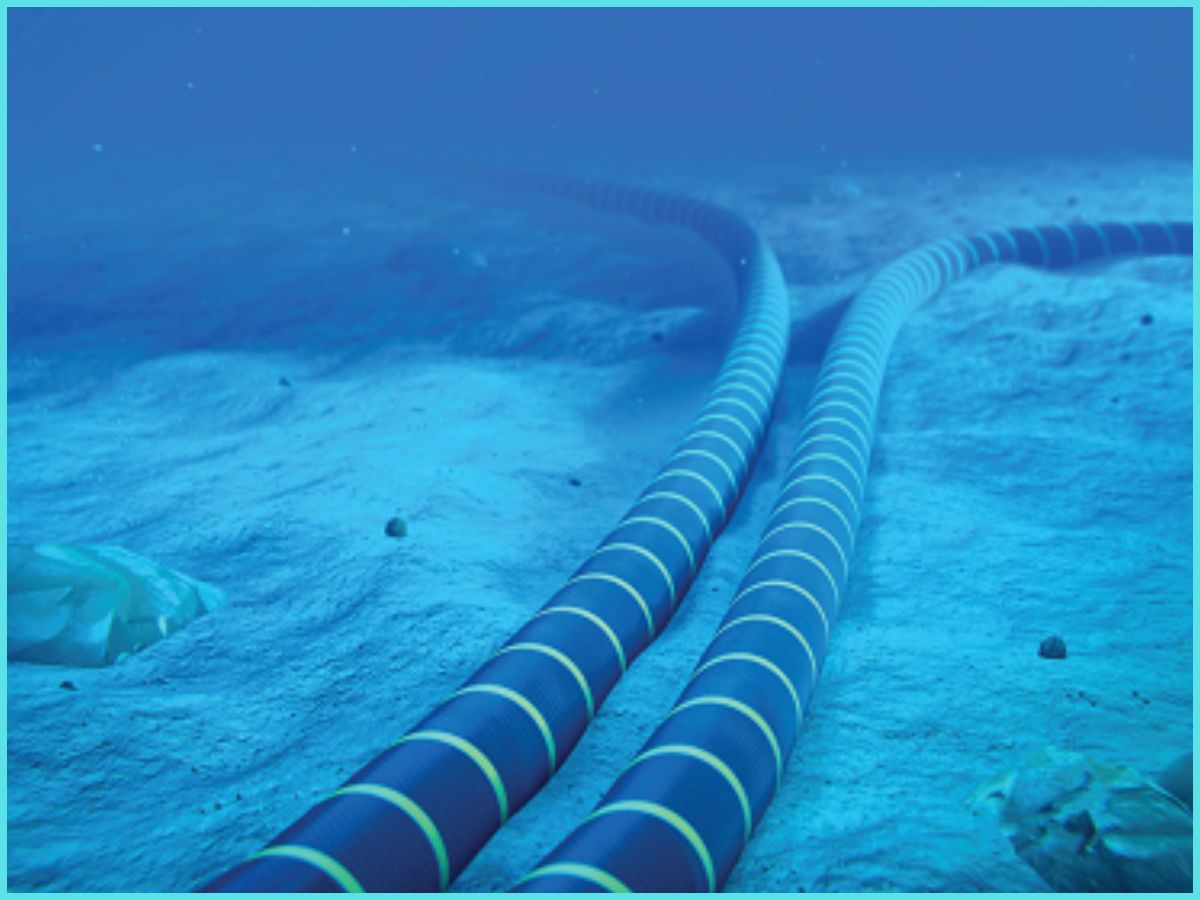
As geopolitical tensions intensify in the region, concerns are mounting over the security of vital undersea internet cables that run through key maritime routes such as the Strait of Hormuz and the Red Sea. According to emerging reports and expert assessments, these submarine cable networks carry the overwhelming majority of the world’s digital data—powering everything from global communications to banking systems and cloud services. Any potential threat to this infrastructure is being viewed as a serious risk to the global economy. Security analysts warn that in a conflict scenario, such cables could become indirect targets or collateral damage due to naval activity, sabotage, or regional instability. Even a limited disruption could slow down internet speeds, interrupt financial transactions, and affect digital services across multiple continents. The Strait of Hormuz, already known as a crucial oil transit route, is also a major hub for data cables connecting Asia, Europe, and the Middle East. Similarly, the Red Sea corridor plays a key role in linking global networks. Damage in these areas could have ripple effects far beyond the immediate region. Experts point out that repairing undersea cables is a complex process requiring specialized ships and safe conditions—something that may be difficult to ensure during heightened military tensions. While there has been no official confirmation of any direct action against such infrastructure, the possibility alone has raised alarms among governments and technology stakeholders worldwide. The situation highlights how modern conflicts increasingly threaten not just physical assets, but also the digital backbone of the global system.
















Comments
Sign in with Google to comment.