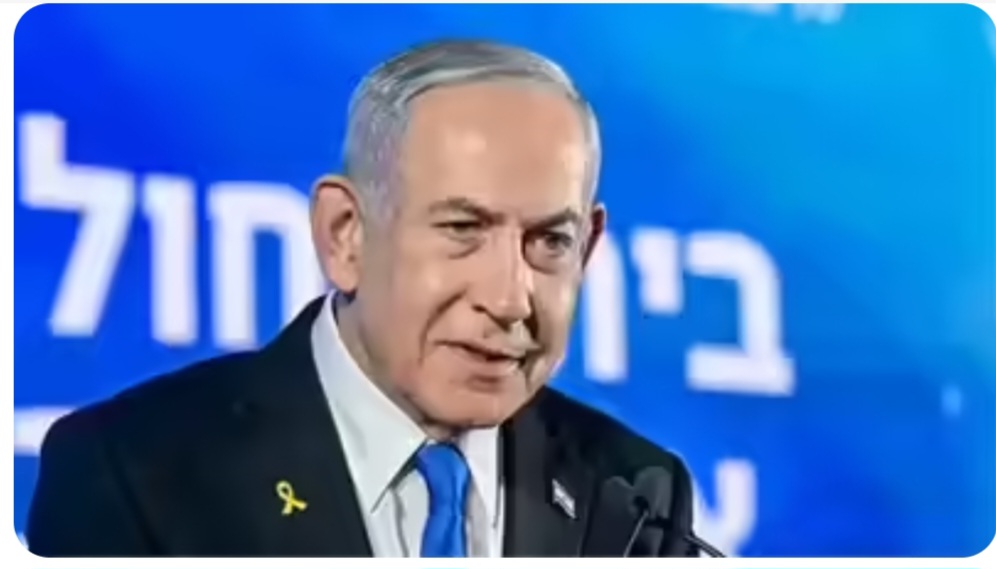
Jerusalem, April 2026:
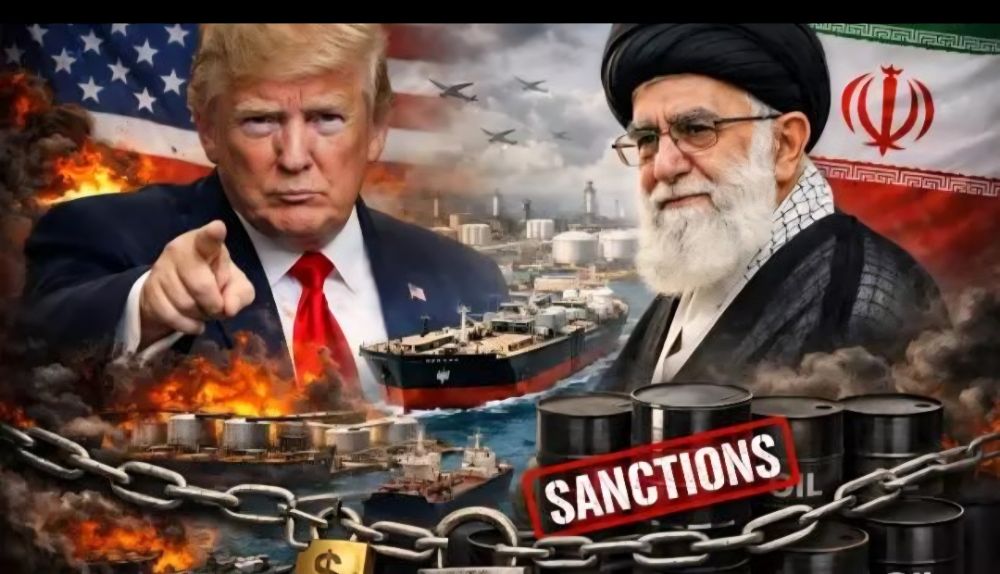
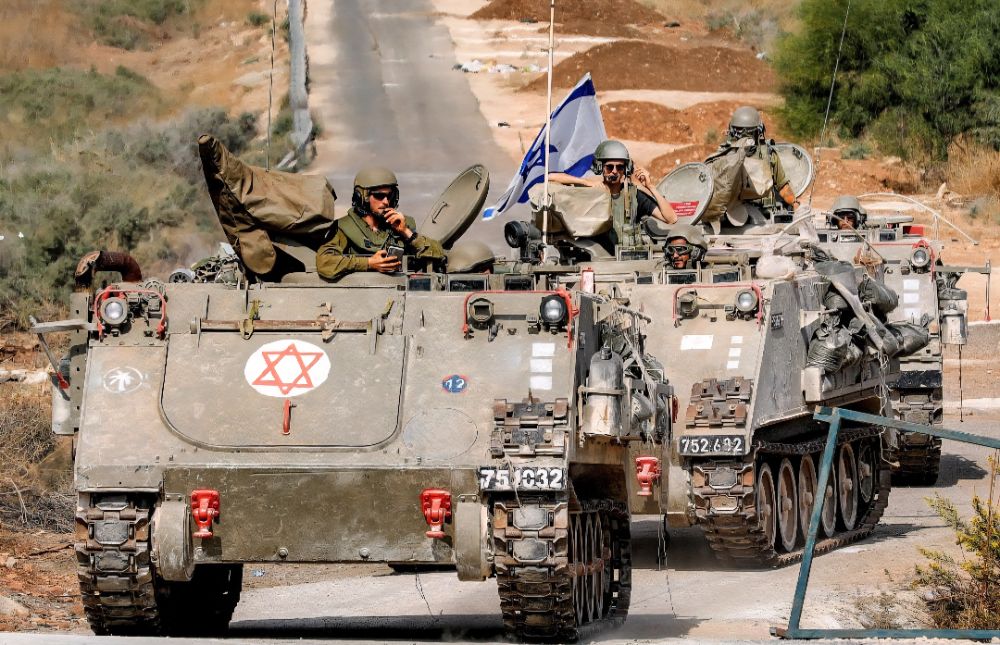
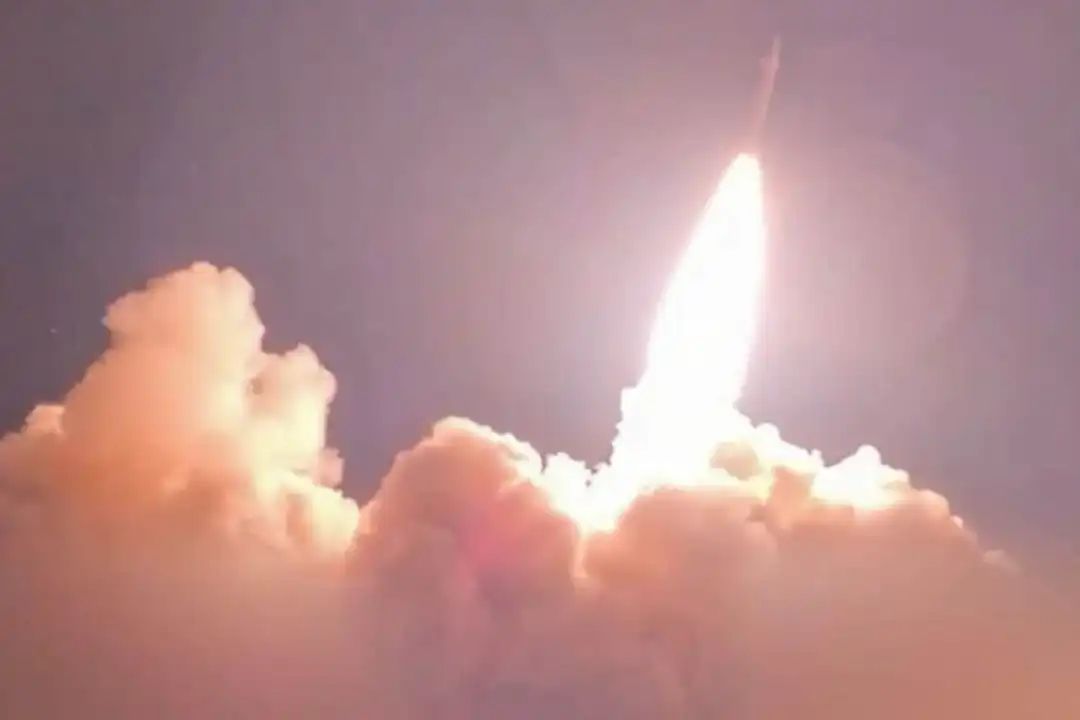
Benjamin Netanyahu is steering Israel through a high-intensity phase of conflict with Iran, while simultaneously working to expand strategic partnerships across West Asia. Israeli leadership has indicated that recent operations are part of a broader, sustained campaign aimed at limiting Iran’s military reach and regional influence. Officials suggest the offensive is being carefully calibrated, combining precision strikes with long-term planning rather than short-term escalation.
Shift Toward Regional Coalition
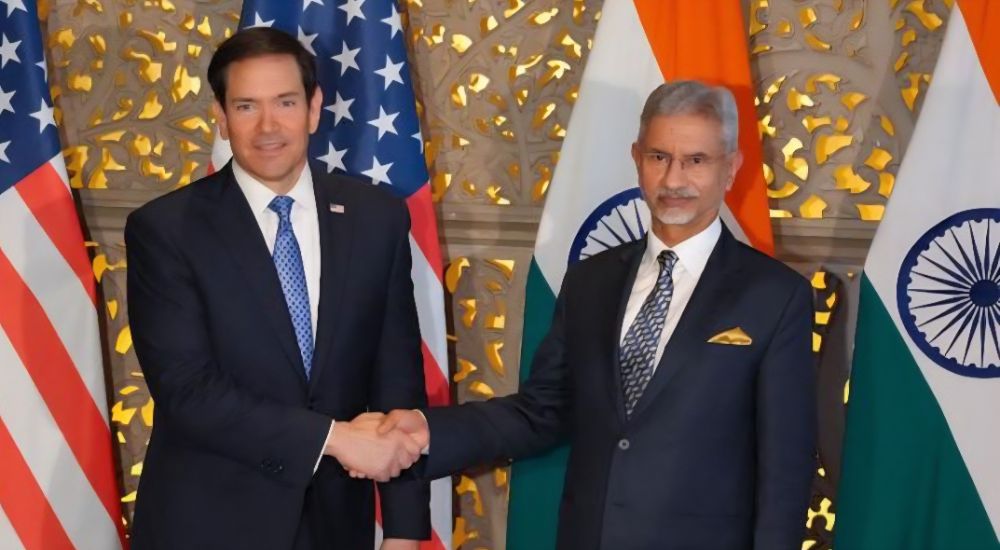
Beyond military actions, Netanyahu’s government is actively engaging with key regional players to build a network of cooperation. This includes strengthening diplomatic channels, intelligence sharing, and security coordination with countries that share concerns over Iran’s activities. The emerging strategy reflects a transition from isolated responses to a more coordinated regional approach—where alliances play a central role in maintaining balance and deterrence.
Strategic Priorities
Contain Iran’s strategic and military expansion
Enhance regional intelligence collaboration
Build durable political and security partnerships
Reinforce Israel’s position in evolving West Asian geopolitics
Wider Implications
The developments are being closely monitored worldwide, as they could redefine power equations in the region. Experts believe that while the alliance-building effort may improve deterrence, it also carries the risk of deepening divisions and prolonging tensions.
Conclusion
With Benjamin Netanyahu combining military momentum with diplomatic outreach, Israel’s approach signals a broader geopolitical recalibration. As tensions with Iran persist, the focus on alliances could shape the future trajectory of West Asia.






Comments
Sign in with Google to comment.