
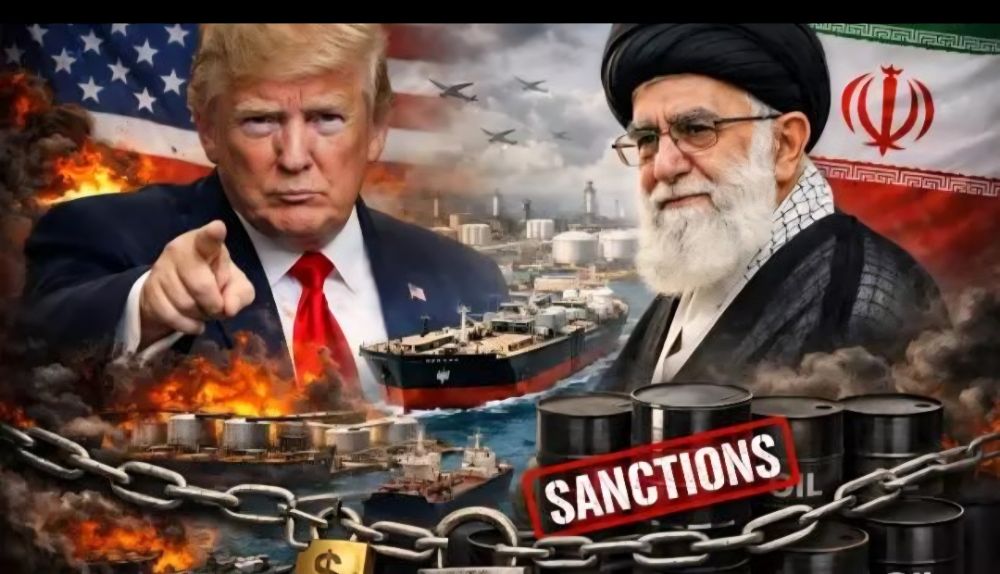
April 7, 2026 Global crude oil markets witnessed a sharp rally on Tuesday, with prices climbing more than three percent amid rising geopolitical tensions involving Donald Trump and Iran. The surge comes as a high-stakes deadline issued by Washington over the reopening of the strategically vital Strait of Hormuz draws closer, intensifying fears of a major supply disruption.
Benchmark crude contracts moved significantly higher during early trading hours, reflecting growing anxiety among investors and traders over the stability of global energy supplies. Market participants reacted swiftly to the increasingly aggressive rhetoric from the United States, which has warned of serious consequences if Tehran fails to comply with demands to ensure the uninterrupted flow of oil through the Gulf.
The Strait of Hormuz, one of the world’s most critical energy chokepoints, plays a pivotal role in global oil logistics. Any disruption in this narrow passage can have immediate and far-reaching implications for economies across continents. With tensions simmering, concerns have mounted that even a temporary blockage or restriction could trigger a prolonged supply shock.
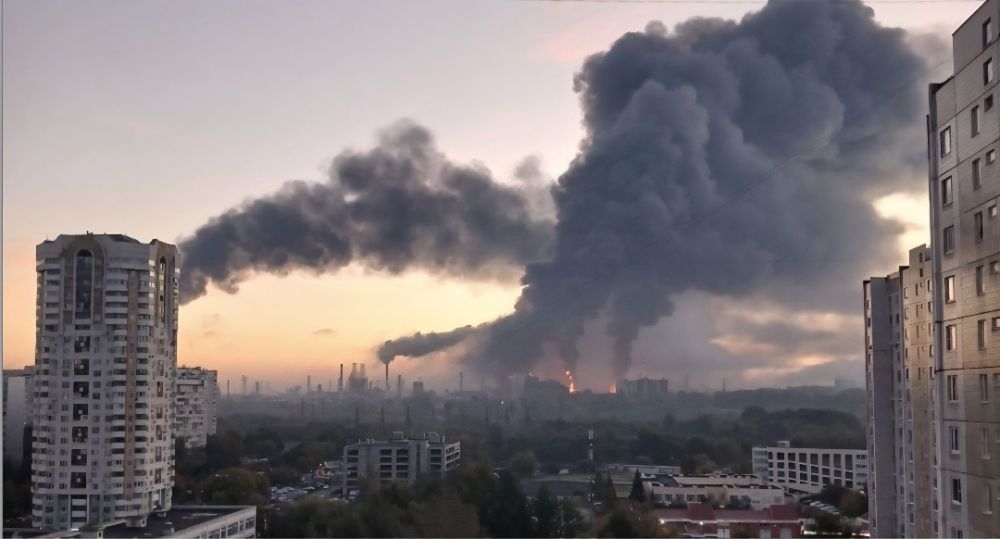
Analysts say the current rally is not driven by traditional supply-demand fundamentals but rather by geopolitical uncertainty. The risk premium attached to crude prices has expanded rapidly, with traders factoring in the possibility of military escalation. Shipping routes in the Gulf region are reportedly under heightened surveillance, and several tanker operators are exercising caution, further tightening supply chains.
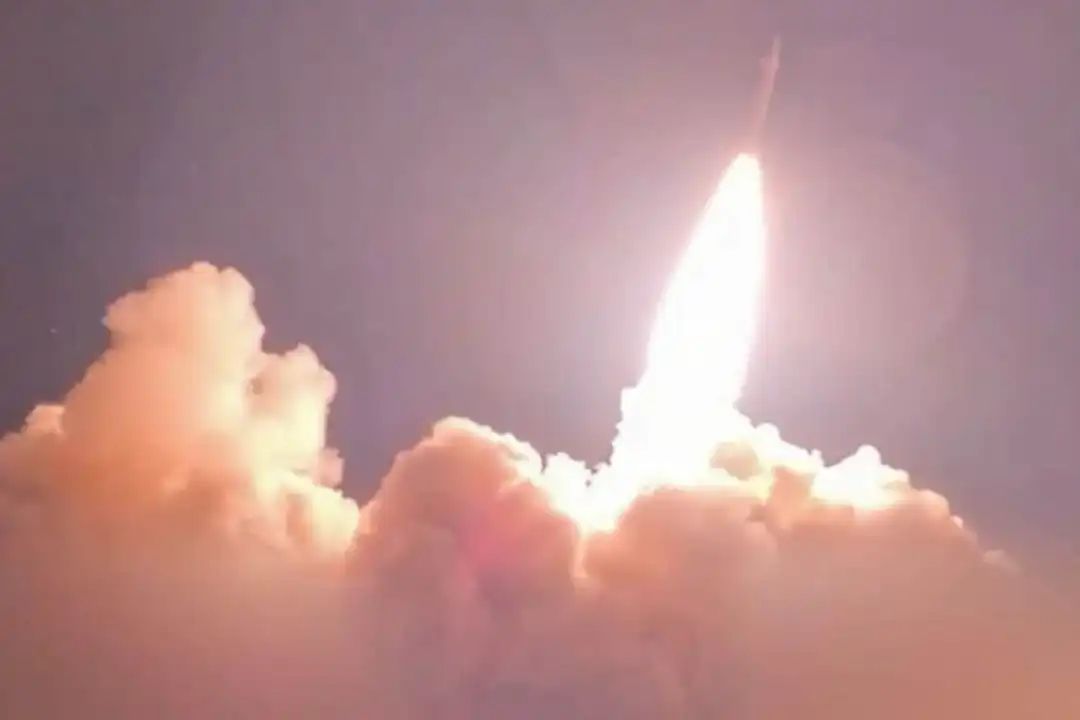
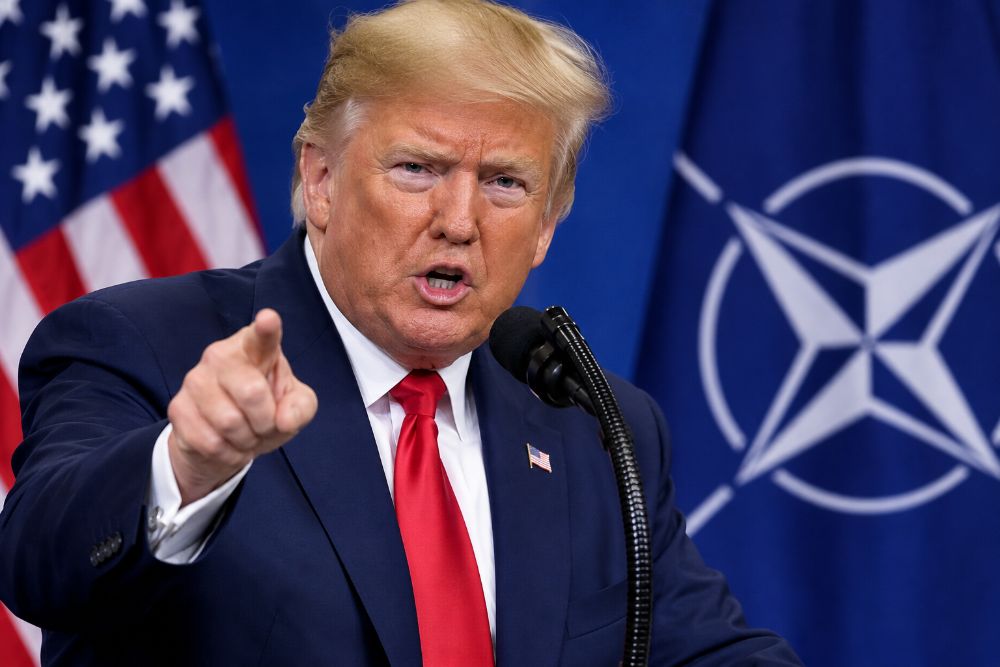
The warning issued by Donald Trump has added a new layer of urgency to the situation. The United States has set a clear deadline for Iran to de-escalate and restore normal maritime movement. Failure to meet this timeline, officials संकेत, could lead to targeted actions against key infrastructure, raising fears of a broader conflict in the region.
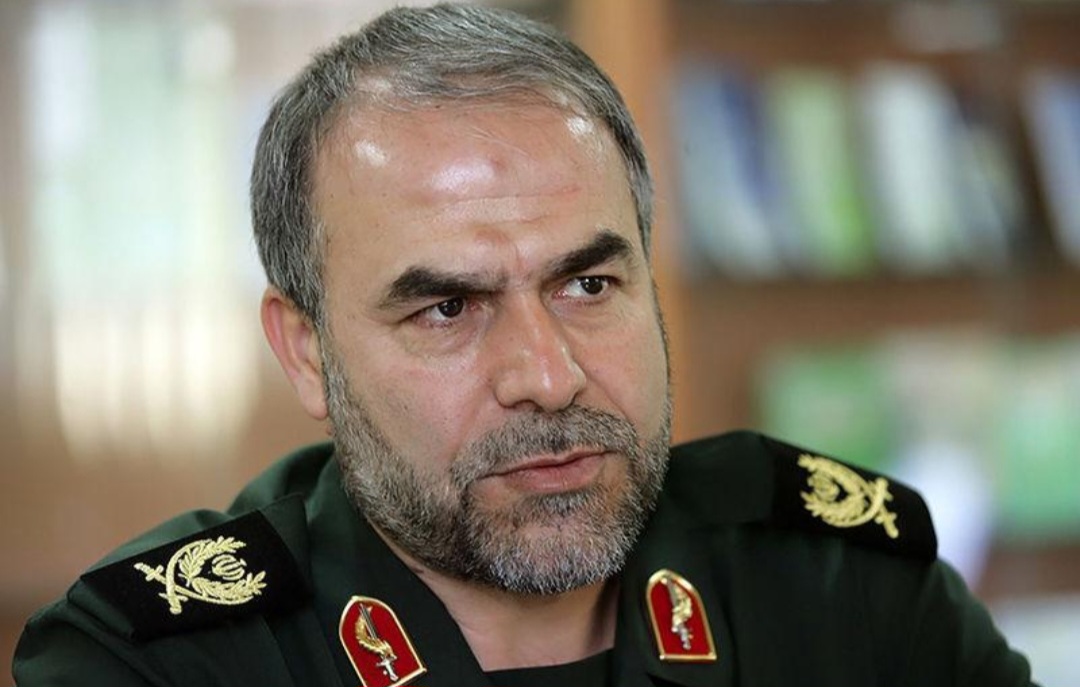
Iran, on the other hand, has maintained a defiant stance, signaling that it will not bow to external pressure. The standoff has created a tense atmosphere in global markets, with investors bracing for rapid developments. Diplomatic channels remain active, but there is little clarity on whether a breakthrough can be achieved in time
Energy experts note that the current price surge reflects a worst-case scenario being partially priced in. Even the perception of risk in the Strait of Hormuz is enough to push prices higher, given its importance in transporting a significant portion of the world’s crude exports. The uncertainty has also led to increased speculative activity in oil futures.
Meanwhile, efforts by major oil-producing nations to stabilize the market may fall short in the face of geopolitical turmoil. While some producers have indicated willingness to increase output, logistical and capacity constraints limit their ability to quickly compensate for any major disruption originating from the Gulf..
The ripple effects of rising oil prices are already being felt across multiple sectors. Higher crude costs are expected to translate into increased fuel prices, adding pressure on transportation, manufacturing, and agriculture. Economists warn that sustained price increases could fuel inflation, complicating recovery efforts in several economies.
Stock markets around the world have shown signs of volatility, reacting to the uncertainty surrounding the situation. Investors are shifting towards safer assets, while energy stocks have seen an uptick in response to rising crude prices. Currency markets are also experiencing fluctuations as traders assess the broader economic impact.
In Asia and Europe, governments are closely monitoring developments, with some considering contingency measures to secure energy supplies. Strategic reserves may be tapped if the situation worsens, although such steps are typically seen as temporary solutions rather than long-term fixes. Shipping and insurance costs in the region have also begun to rise, reflecting increased risk. Maritime operators are factoring in potential disruptions, which could further elevate the overall cost of oil transportation. These additional costs are likely to be passed on to consumers, amplifying the economic impact.
The coming hours are expected to be crucial, as the deadline set by the United States approaches. Market sentiment remains highly sensitive to any signals from Washington or Tehran. Even minor developments could trigger significant price movements in either direction. Diplomatic observers believe that while both sides are projecting strength, there remains a possibility of last-minute negotiations to avoid escalation. However, the window for such efforts appears to be narrowing, keeping markets on edge. As the world watches closely, the situation underscores the fragile nature of global energy security. A single geopolitical flashpoint has once again demonstrated its ability to disrupt markets and influence economic trajectories worldwide.
For now, oil prices remain elevated, and uncertainty continues to dominate the outlook. Whether tensions ease or escalate further will determine the next phase for global energy markets, with far-reaching consequences for economies and consumers alike.










Comments
Sign in with Google to comment.