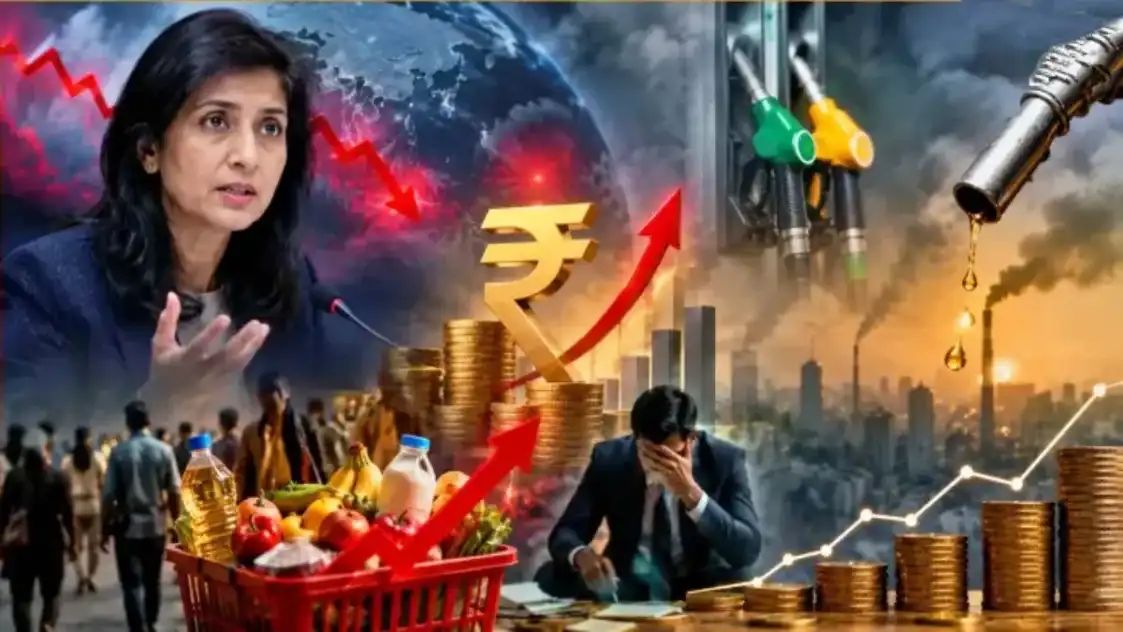
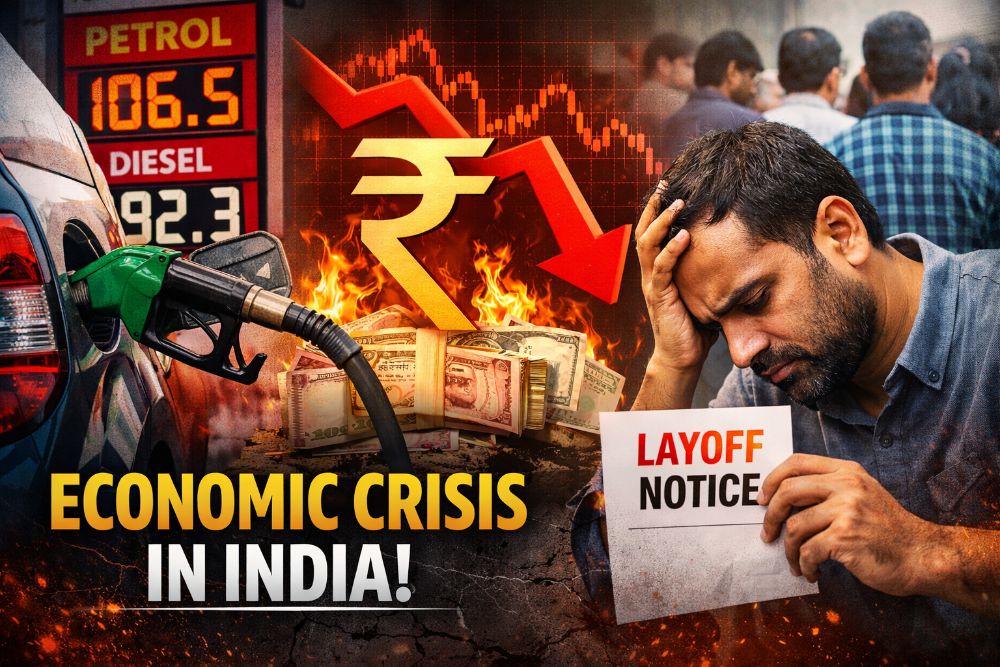
India could face a severe economic challenge if tensions in West Asia continue to disrupt global crude oil and gas supplies, according to former IMF Deputy Managing Director Gita Gopinath. She warned that the country is staring at a “triple danger” — rising fuel prices, weakening rupee, and surging inflation.
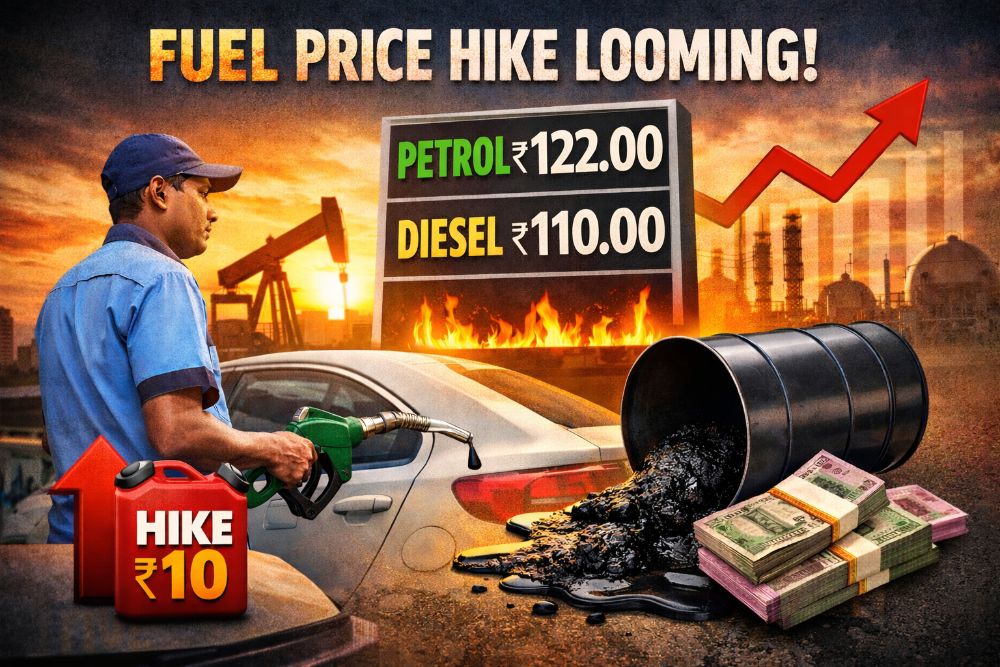
The warning comes as petrol and diesel prices in India have already seen multiple hikes within a week amid instability in the international energy market. With oil-producing regions facing escalating geopolitical tensions, crude supply chains have been disrupted globally, pushing energy prices upward.
Gopinath cautioned that if the crisis continues through June, international crude oil prices could shoot up to nearly 140 dollars per barrel. She noted that although the Indian government is currently absorbing part of the burden through subsidies to avoid a sudden domestic fuel shock, sustaining this strategy for long may become difficult if global prices keep rising.
According to her assessment, the impact will not remain limited to petrol and diesel alone. Rising fuel costs are expected to trigger price hikes in LPG, LNG, fertilizers, transportation, and essential commodities, potentially causing a fresh inflation wave across the country.
She also highlighted the rapid fall of the Indian rupee against the US dollar. The rupee, which was around ₹91 per dollar in February, has reportedly weakened to nearly ₹97 amid increasing import pressure from costly crude oil purchases. India may need to spend significantly more dollars on energy imports if the crisis worsens, putting additional strain on the currency.
Gopinath stressed that the government should prioritize employment generation, inflation control, and economic growth instead of focusing solely on defending the rupee’s value.
Despite the risks, she expressed confidence that India is unlikely to slip into a recession due to strong domestic demand, large-scale infrastructure investments, and nearly 700 billion dollars in foreign exchange reserves.
However, she urged the government to shield ordinary citizens from the fuel burden through direct cash transfers to poor families and financial support for struggling small industries.






Comments
Sign in with Google to comment.