New Delhi May22,2026
Witen By . A.Vijayender Reddy,918019992284
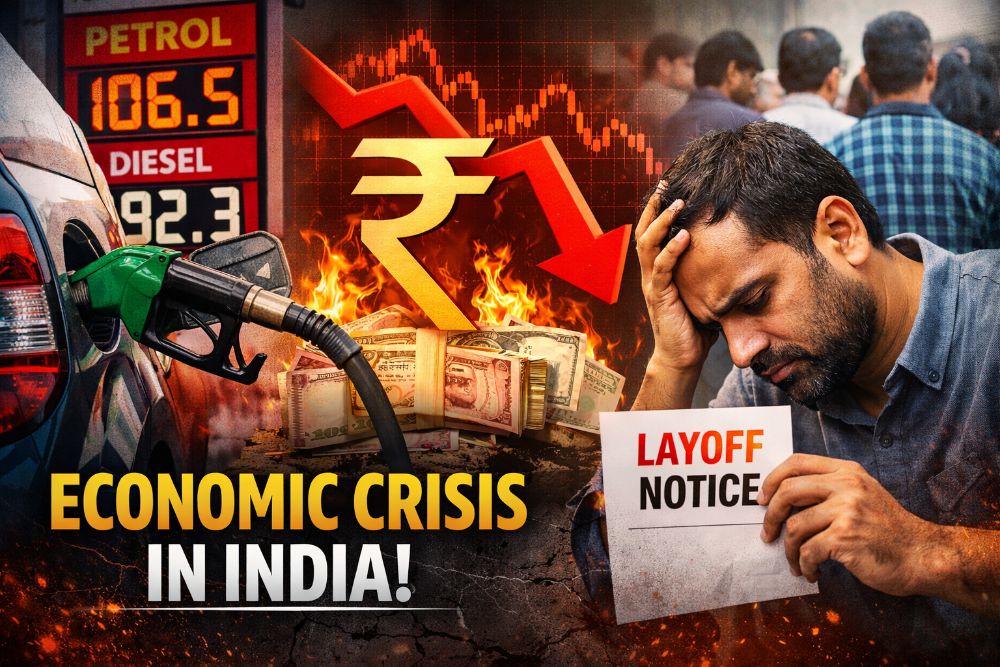
India is staring at growing economic uncertainty as soaring fuel prices, a weakening rupee and rising inflation begin hitting households across the country. The impact of the global war-driven crisis is now being felt directly in the pockets of ordinary Indians, with fears mounting over a possible economic slowdown and job losses.
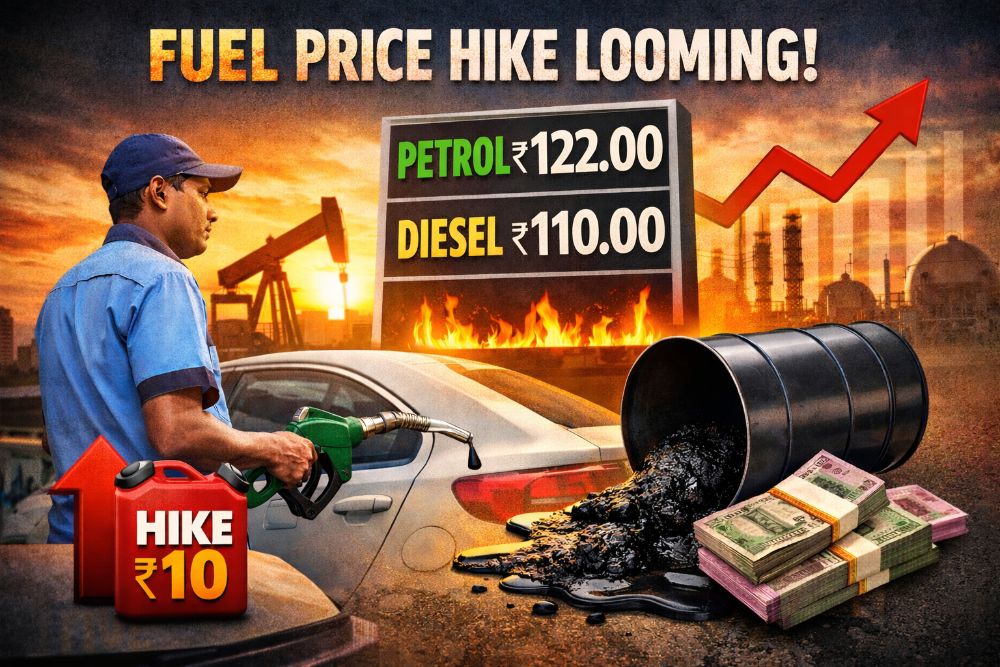
In just one week, the Centre reportedly increased petrol and diesel prices twice, triggering fresh anger among consumers already struggling with high living costs. As fuel becomes more expensive, transportation costs are rising sharply, pushing up the prices of vegetables, groceries and essential commodities across markets.
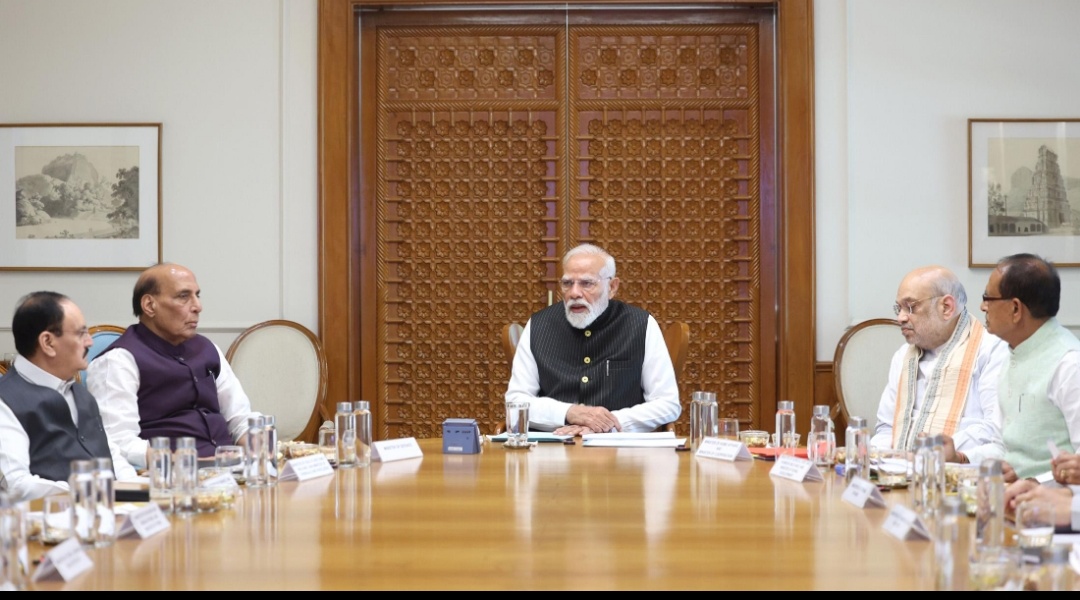
Prime Minister Narendra Modi himself acknowledged that the ongoing global conflict is putting enormous pressure on the world economy. He warned that if the crisis continues, millions could be pushed into poverty and urged citizens to avoid unnecessary spending and help preserve foreign exchange reserves.
Economic experts warn that this may only be the beginning of a dangerous “economic disaster cycle.” With crude oil prices crossing 100 dollars per barrel and India importing nearly 85 percent of its oil needs, the country remains highly vulnerable to global shocks. Every jump in oil prices directly increases inflation and squeezes household budgets.
To control inflation, the Reserve Bank of India may be forced to raise interest rates further, making home loans, vehicle loans and business borrowing more expensive. Higher borrowing costs and expensive raw materials are already putting pressure on companies, raising fears of layoffs, salary cuts and hiring freezes.
The middle class is expected to bear the biggest burden. Families paying EMIs for homes, cars and education are likely to face severe financial stress if incomes stagnate or jobs disappear. Consumer spending is already slowing as households cut non-essential expenses to survive rising costs.
Economists warn that weakening demand, shrinking corporate profits and rising unemployment could eventually drag the country towards a deeper economic slowdown if global conditions fail to improve soon.
Financial advisors are now urging families to prepare for difficult months ahead by building emergency savings for at least six to twelve months, reducing avoidable expenses and ensuring proper health and life insurance coverage.










Comments
Sign in with Google to comment.