New Delhi, June 9:
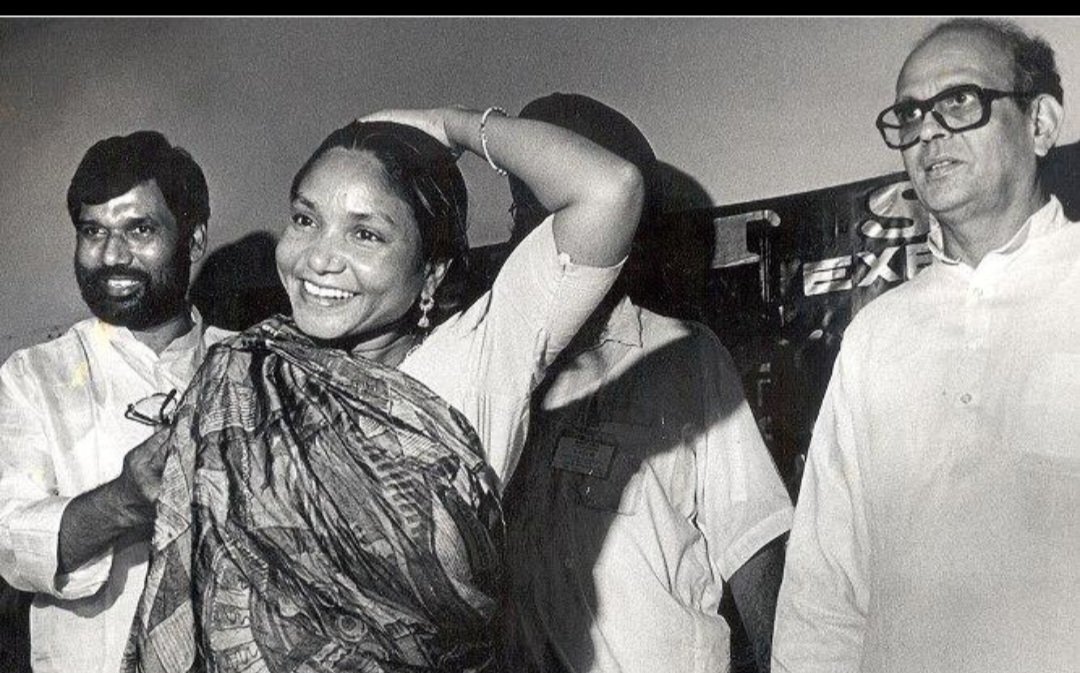
The life of Phoolan Devi remains one of the most controversial and widely discussed stories in modern Indian history. Born into a poor family in Uttar Pradesh in 1963, she endured poverty, caste discrimination, child marriage, and abuse from an early age, experiences that would later shape her dramatic journey. Phoolan Devi's life took a turbulent turn when she became associated with a gang of bandits operating in northern India.
After enduring severe hardships and violence, she emerged as a prominent figure in the region's outlaw networks. Her story attracted national attention amid escalating conflicts rooted in caste tensions and personal vendettas.
In 1981, the killings in the village of Behmai shocked the nation and turned Phoolan Devi into a symbol viewed by some as resistance against oppression and by others as a central figure in a brutal act of violence. The incident remains one of the most debated chapters in India's criminal and social history.
After surrendering to authorities in 1983, Phoolan Devi spent years in prison before entering politics. She later served as a Member of Parliament, advocating for marginalized communities and lower-caste groups.
Her life came to a violent end when she was assassinated in New Delhi on July 25, 2001. Decades later, her story continues to spark debate on justice, social inequality, revenge, and the failures of institutions to protect the vulnerable.









Comments
Sign in with Google to comment.