New Delhi, June 10:
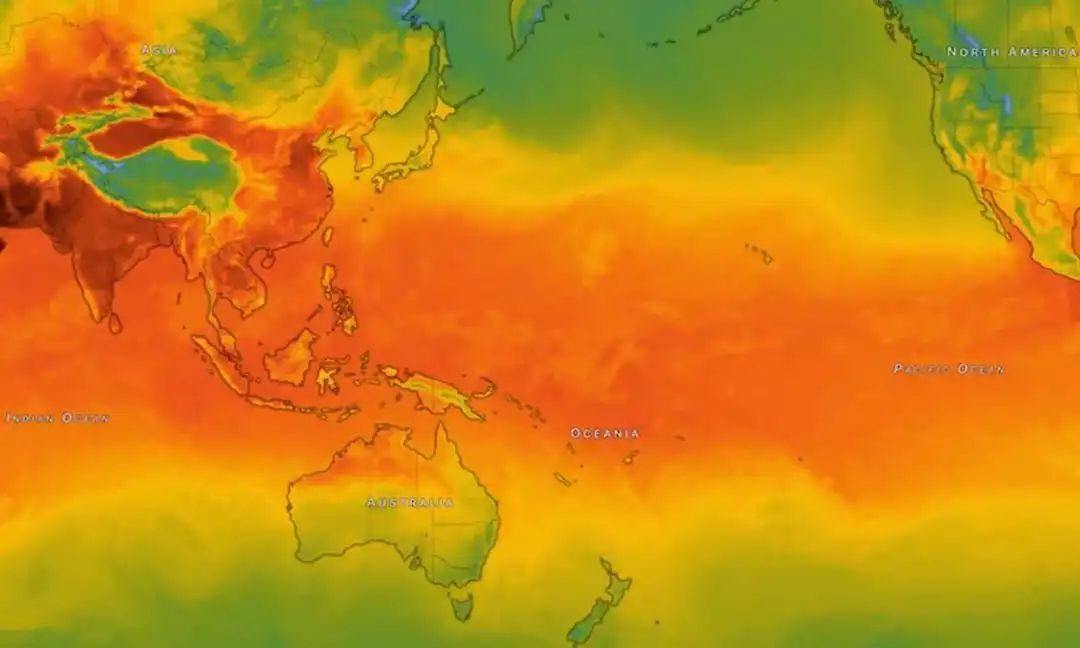
Scientists worldwide are closely monitoring the development of El Niño, a climate phenomenon originating in the Pacific Ocean that has the potential to disrupt weather patterns across the globe. Experts warn that its impact extends far beyond rainfall, posing risks to agriculture, energy production, water resources, transportation networks, and food security.
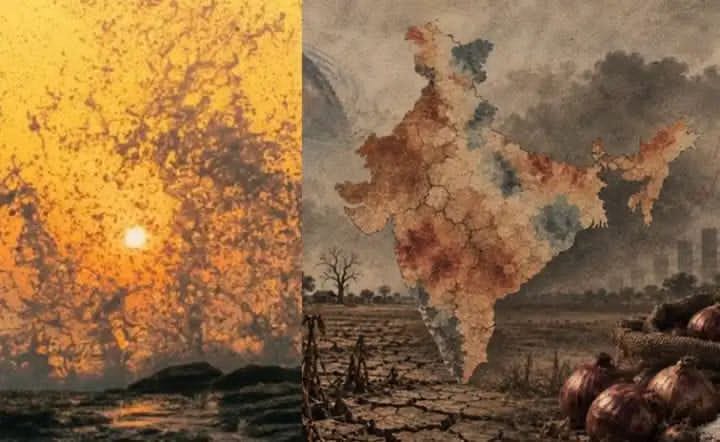
For India, the biggest concern is the southwest monsoon, which remains the backbone of the country's agricultural sector. Nearly half of India's cultivated land still depends on rainfall rather than irrigation. Any significant reduction or delay in monsoon rains due to El Niño could affect the sowing and growth of key crops such as rice, pulses, soybean, cotton, and millets. Lower agricultural output may lead to higher food prices and increased pressure on household budgets.
The effects are also expected to be felt in the water and power sectors. Reduced rainfall can lower reservoir and river levels, worsening drinking water shortages and limiting hydroelectric power generation. At the same time, above-normal temperatures could drive up electricity consumption as households and businesses rely more heavily on cooling systems. India's power demand has already reached record levels in recent years, raising concerns about additional stress on electricity grids during prolonged heatwaves.
Global supply chains may also face disruptions if El Niño triggers drought conditions in key regions. Previous El Niño events contributed to low water levels in the Panama Canal, restricting ship traffic and affecting international trade flows. Such disruptions can increase transportation costs and push up prices of imported goods worldwide. Experts say El Niño is no longer viewed solely as a weather event but as a major economic and environmental challenge with the potential to affect millions of people, from farmers and consumers to industries and governments.














Comments
Sign in with Google to comment.