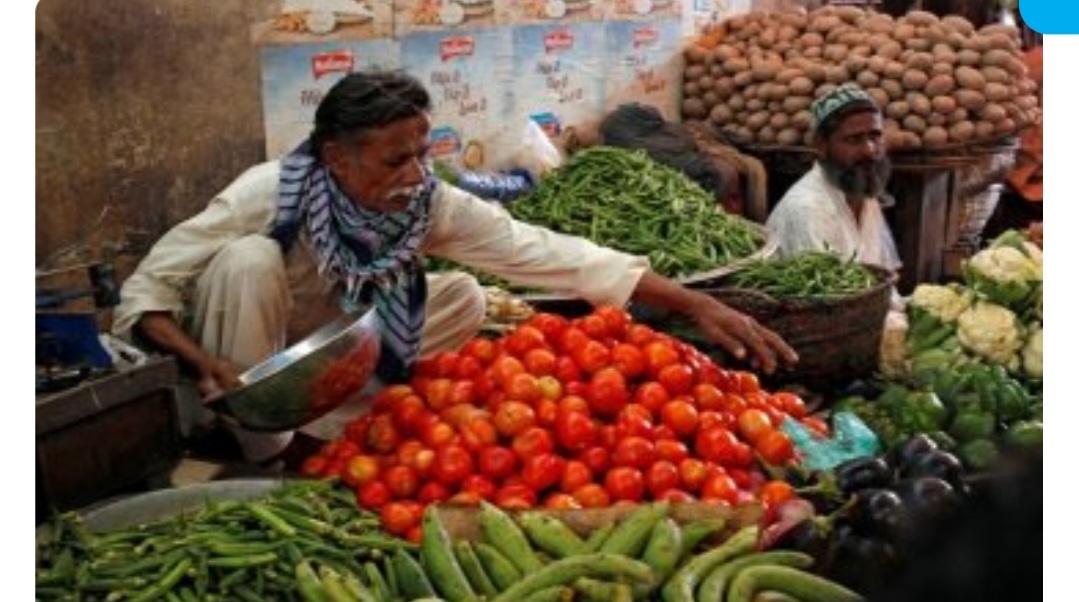
Islamabad, April 1, 2026
Consumer price inflation in Pakistan accelerated to 7.3% year-on-year in March, marking a noticeable uptick after months of relatively moderate price growth, according to the latest official data. The rise in inflation has been driven largely by increases in food prices, energy costs, and transportation expenses, which continue to put pressure on household budgets across the country.
Analysts say seasonal demand during Ramadan, along with adjustments in fuel and utility tariffs, contributed to the upward trend. On a month-on-month basis, prices also recorded a modest increase, indicating that inflationary pressures remain persistent despite earlier expectations of stability. Economists warn that volatility in global commodity markets and currency fluctuations could further influence price movements in the coming months. The government and the State Bank of Pakistan are closely monitoring the situation, as inflation remains a key factor in determining monetary policy. The central bank has previously emphasized its commitment to maintaining price stability while supporting economic recovery. Experts suggest that while the current inflation level is lower than peaks seen in previous years, the recent rise may complicate efforts to ease interest rates and stimulate growth.
Outlook:
Market watchers expect inflation to remain within a manageable range in the near term, but caution that any shocks in fuel prices or supply chains could push it higher again.












Comments
Sign in with Google to comment.